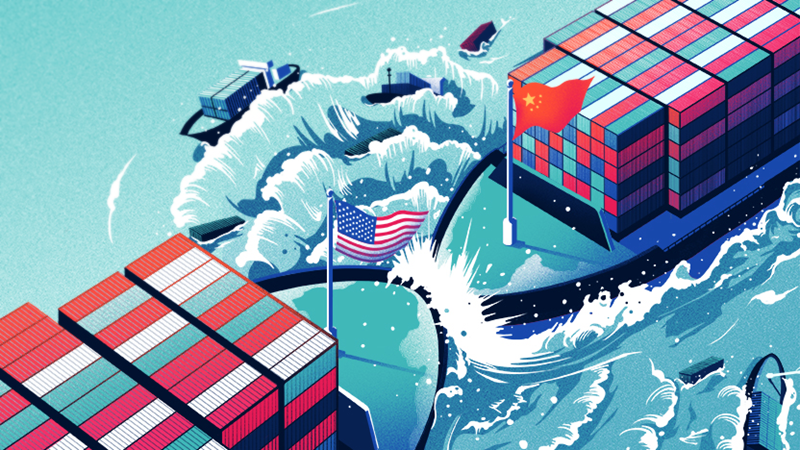
Mỹ nâng Tariff – Lợi & Hại?
By Le Hoang
/ 9. July 2025
Từ thời Trump đến Biden, rồi quay lại Trump, xu hướng nâng thuế nhập khẩu, đặc biệt với Trung Quốc...
Read More






Vietnamese Minister of Foreign Affairs Bui Thanh Son on September 20 signed the United Nations agreement on the conservation and sustainable use of marine biological diversity of areas beyond national jurisdiction (the High Seas Treaty), making Vietnam one of the first countries to sign the international-legally binding instrument under the 1982 United Nations Convention on the Law of the Sea (UNCLOS).
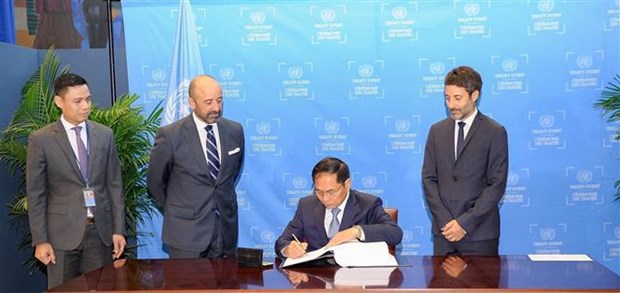
The signing of the agreement conveyed the message that Vietnam is a positive and responsible member of the international community as well as the country’s efforts to join hands with countries to deal with global issues, contributing to peace, prosperity and sustainable development.
More than 60 countries are scheduled to sign the agreement during the underway high-level week of the 78th UN General Assembly.
The ratification and signing of the deal is a historical milestone in the international community’s efforts in environmental protection during the implementation of the 2030 Agenda, especially the goal No.14 on preservation and sustainable use of oceans and maritime resources.
This is the third agreement negotiated and signed within the framework of the 1982 UNCLOS, reaffirming the role and importance of the convention as a legal framework for all activities at sea and in oceans.
The High Sea Treaty regulates the exploitation, sharing of benefits and conservation of marine genetic resources in international waters. This is a new potential resource, belonging to large sea areas accounting for more than 60% of the surface area of the oceans that do not belong to any country. Many areas at the bottom of the oceans have exceptionally rich ecosystems, with many rare and precious genes of high value for scientific research and great economic potential, especially in pharmaceutical and cosmetic production.
Currently, only developed countries and private companies possessing leading marine technologies and biotechnologies, with abundant financial resources, are capable of collecting marine genetic resources and developing applications that bring profits, while there is no international document regulating the obligation to share benefits and conserve these resources.
Talking to the Vietnam News Agency (VNA)’s resident correspondents in New York, Son said the signing of the treaty is an important milestone, as this is one of international treaties that draw the greatest attention in the past decade.
Explaining the significance of the treaty, Son underlined that it is the first document to comprehensively regulate the conservation and sustainable use of marine genetic resources in international waters.
At the same time, in recent years, the international community’s awareness and concern for ocean issues and maritime law is increasing, especially in the context of depletion of marine resources due to overexploitation and negative impacts of environmental pollution and climate change, he noted.
The signing of the agreement is the result of long-term efforts by the international community, a nearly two-decade process with official negotiations beginning in 2018 with the participation of almost all UN member countries, including landlocked nations or non-signatories of the UNCLOS. The minister said that the approval of the treaty by consensus last June, and the fact that a large number of participating countries signed it right on the opening day demonstrated the success of the negotiation process, describing it as a historic milestone in efforts of the international community to protect the marine environment.
The agreement has opened up opportunities for developing countries to access, participate in research and benefit from genetic resources in international waters, while reaffirming the role and importance of the 1982 UNCLOS as a legal framework for all activities on the seas and oceans.
As a coastal country with high awareness of the importance of oceans to the national construction and defence, Vietnam has joined the negotiations on the agreement right from the beginning.
For Vietnam, the agreement has many important meanings, stated the minister, underlining that the pact continues to strengthen the system of legal documents based on the 1982 UNCLOS in the management of seas and oceans towards the goal of sustainable development. It reaffirms the 1982 UNCLOS as the legal framework for all activities at sea. All maritime claims must not harm the common interests of the international community. The scope of international waters, where marine living resources belong to all humanity, must be determined through and in accordance with 1982 UNCLOS, he stressed.
The agreement opens up opportunities for Vietnam and other developing countries to participate in scientific research, transfer marine technologies, and receive economic benefits shared by other countries which have greater advantages in marine technology and strong financial science and technology to exploit genetic resources in the high seas.
The agreement also creates and encourages international cooperation mechanisms and regional marine cooperation with the goal of preserving and sharing benefits from marine genetic resources, which brings opportunities for Vietnam to promote cooperation, strengthen the intertwining of interests, and contribute to protecting the homeland early and from afar.
At the same time, Vietnam’s early joining of the agreement’s negotiations and contributions to the building of the agreement help the country realise its strategy on actively and responsibly participating in solving international and regional issues related to seas and oceans, as well as its policy of playing a core, leading, and mediating role at multilateral forums of strategic importance, which is stated in Directive 25 of the Party Central Committee’s Secretariat on enhancing the country’s multilateral diplomacy until 2030, Son said./.

Views: 0

The United States and India declared themselves “among the closest partners in the world” on Thursday during a state visit by Indian Prime Minister Narendra Modi to Washington hosted by President Joe Biden.
Washington has been frustrated by India’s close ties with Russia while Moscow wages war in Ukraine. Modi did not address China or Russia directly, and Biden only mentioned China in response to a reporter’s question. But a joint statement issued by the two after their 2.5 hour private meeting seemed to take aim at both nations.
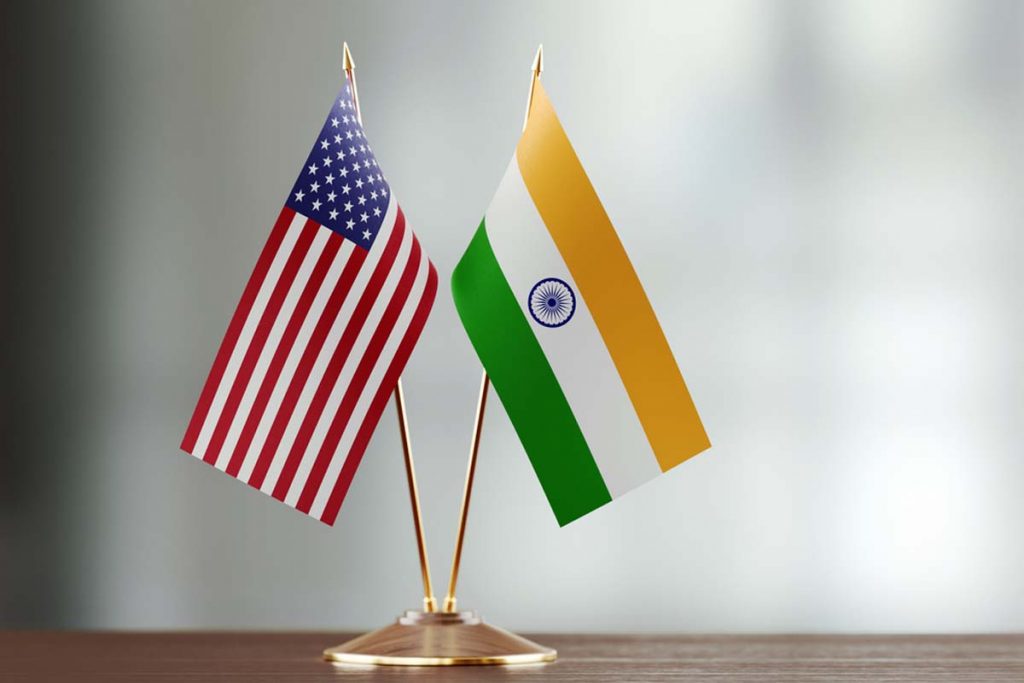
The two sides emphasized the importance of “rules-based international order,” saying “the contemporary global order has been built on principles of the UN Charter, international law, and respect for sovereignty and territorial integrity of states.”
“The United States and India reaffirmed their resolve to counter any attempts to unilaterally subvert the multilateral system.”
The two leaders “expressed their deep concern over the conflict in Ukraine and mourned its terrible and tragic humanitarian consequences,” noting the “serious and growing impacts of the war on the global economic system, including on food, fuel and energy security, and critical supply chains.”
Both countries pledged “continuing humanitarian assistance to the people of Ukraine” and “concurred on the importance of post-conflict reconstruction in Ukraine.”
The two “reiterated their enduring commitment to a free, open, inclusive, peaceful, and prosperous India-Pacific region with respect for territorial integrity and sovereignty, and international law,” while expressing “concern over coercive actions and rising tensions” and opposition to “destabilizing or unilateral actions that seek to change the status quo by force.”
The leaders “emphasized the importance of adherence to international law, particularly as reflected in the United Nations Convention on the Law of the Sea (UNCLOS), and the maintenance of freedom of navigation and overflight, in addressing challenges to the maritime rules-based order, including in the East and South China Seas.”/.
The two sides emphasized the importance of “rules-based international order,” saying “the contemporary global order has been built on principles of the UN Charter, international law, and respect for sovereignty and territorial integrity of states.”
Views: 0

The Government has recently issued a resolution approving the strategy on sustainable exploitation and use of maritime resources and protection of maritime environment by 2030 with a vision towards 2050.
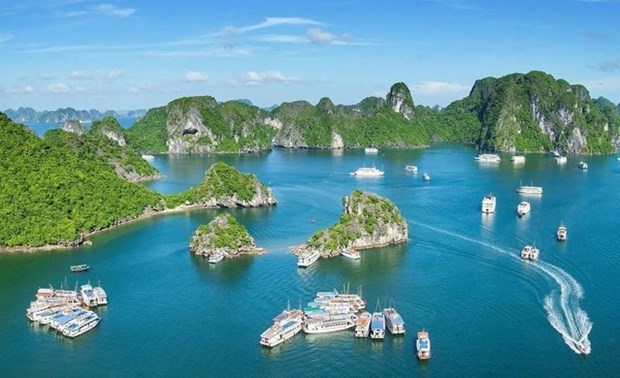
According to Resolution No. 48/NQ-CP dated April 3, maritime resources will be used effectively and equally in service of socio-economic development in line with national defence and international cooperation.
Marine pollution is to be reduced significantly, marine biodiversity will be protected, and the impacts of natural disasters will be minimised, towards turning Vietnam into a wealthy nation based on the sea.
Specifically, by 2030, maritime resources should serve sea-based economic sectors such as tourism and services, exploitation of oil and gas and other natural resources, aquaculture, renewable energy; and improve living standards in the community.
Notably, 100% of hazardous waste and household solid waste in coastal urban areas will be collected and treated in line with environmental standards, and all of economic and industrial zones, and coastal urban areas will be planned and built in a sustainable, ecological, smart and climate-adaptive manner.
By 2050, maritime resources will be used effectively to turn Vietnam into a sea-based wealthy nation, with marine biodiversity conserved and the harmony of society and nature sustained.
The resolution also sets out the task of responding to climate change and sea level rise, basic study of seas and islands, and international cooperation./.VNA
Views: 0

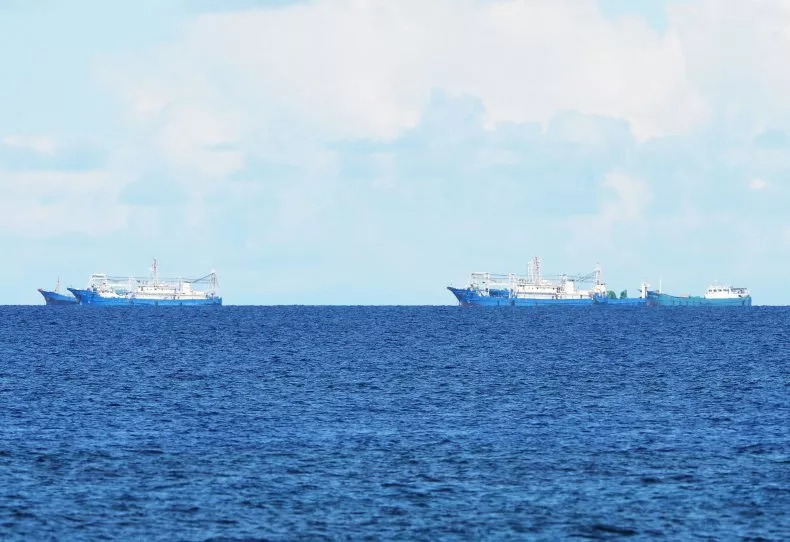
The now-common activity was documented over the weekend by the Philippine Coast Guard, which said 42 Chinese maritime militia vessels, accompanied by a “slowly loitering” naval and coast guard presence, were anchored neared the island of Thitu, which Manila calls Pag-asa and Beijing calls Zhongye.
Beijing asserts a “historic right” over the South China Sea and all of its associated features, but its ambitious maritime and territorial claims were dismissed in 2016 by an arbitral tribunal in The Hague for contravening the 1982 U.N. Convention on the Law of the Sea, of which China is a signatory. China’s leaders have rejected the verdict ever since, leading to tensions with the U.S., which has said it is committed to freedom of the seas.
The unmarked fishing boats, which remained within the 12-nautical-mile territorial sea of the Philippine-controlled island on Monday, were conducting “a form of harassment,” a Philippine official told the local press.
The true number of Chinese maritime militia—fishermen mercenaries who operate without clear identification—is unknown, and Beijing officially denies any affiliation with their actions, which in recent years have included confronting U.S. Navy warships in the South China Sea.
A 2021 report by the Asia Maritime Transparency Initiative (AMTI), under the Washington-based Center for Strategic and International Studies think tank, described the boats as “a force of vessels ostensibly engaged in commercial fishing but which in fact operate alongside Chinese law enforcement and military to achieve Chinese political objectives in disputed waters.”
“Since the completion of China’s artificial island outposts in 2016, militia boats have been deployed to the Spratlys in greater numbers and on a more constant basis than ever before,” the AMTI report said.
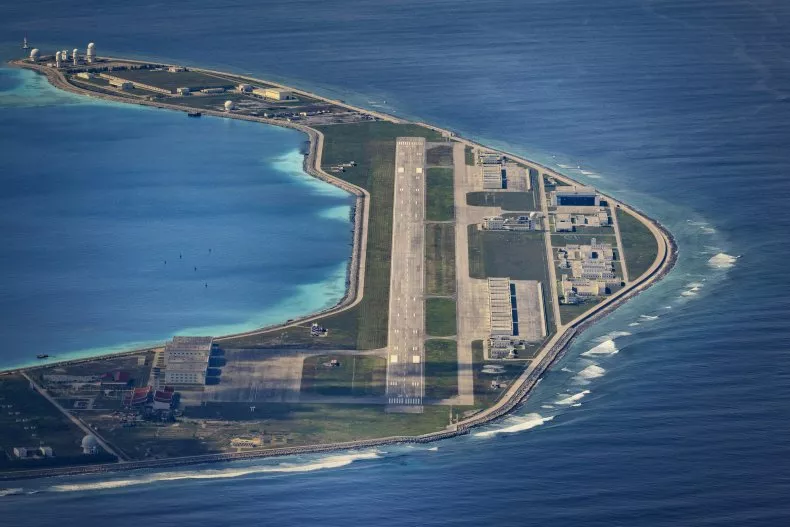
China’s preference is to keep territorial disputes at a bilateral level and it has taken issue with the U.S. multilateralization of regional sticking points including the long-running maritime territory dispute and its decades-long designs on Taiwan.
Since 2019, Washington has publicly reaffirmed that its mutual defense treaty with Manila—among its oldest allies in Asia—also covers attacks on Philippine forces in the South China Sea. However, the Chinese activity typically falls below the conflict threshold, in what is sometimes called the gray zone.
This includes last month’s run-in near the Manila-controlled Second Thomas Shoal, also part of the Spratlys, where a Chinese coast guard ship was filmed aiming a military-grader laser at a Philippine vessel, whose crew was said to have been temporarily blinded.
Thitu is the second largest of the naturally occurring Spratly Islands and the largest administered by the Philippines. China‘s claim to ownership also is nominally contested by Vietnam and Taiwan.
President Ferdinand Marcos Jr. of the Philippines summoned China’s ambassador and lodged diplomatic protests over the incident, which he said wasn’t enough to invoke the country’s defense pact with the United States.
Earlier in February, in response to rising regional tensions, Marcos Jr.’s government announced an agreement to expand U.S. military presence in the Philippines by granting access to nine locations across the country, including additional sites close to Taiwan.
Views: 0

Chiều 24.12, tại Thành phố Hồ Chí Minh, Ban Tuyên giáo Trung ương tổ chức Hội nghị toàn quốc tổng kết công tác thông tin đối ngoại, tuyên truyền biển, đảo, phân giới, cắm mốc và quản lý biên giới năm 2022; triển khai nhiệm vụ năm 2023.
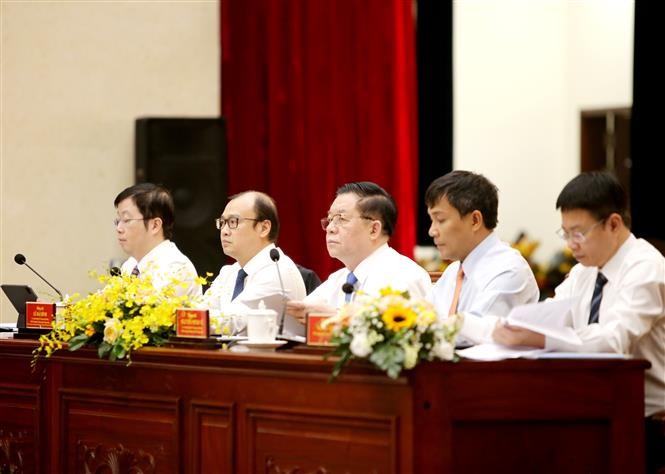
Đa dạng, sinh động và nhiều đổi mới, sáng tạo
Năm 2022, tình hình quốc tế và khu vực có nhiều biến động phức tạp, khó lường, chưa từng có tiền lệ và vượt ra ngoài các kịch bản dự báo. Tuy nhiên, với sự quan tâm, chỉ đạo sát sao của Lãnh đạo Đảng và Nhà nước, sự vào cuộc của các ban, bộ, ngành và địa phương, công tác thông tin đối ngoại, tuyên truyền biển, đảo, phân giới, cắm mốc và quản lý biên giới đã được triển khai một cách chủ động, đồng bộ, kịp thời, có trọng tâm, trọng điểm và đạt hiệu quả cao.
Các cơ quan, đơn vị, địa phương đã có nhiều đổi mới, sáng tạo cả về nội dung, phương thức, tiếp cận đa dạng các đối tượng khác nhau một cách linh hoạt, thuyết phục hơn, qua đó phản ánh sự đổi mới về tư duy, nhận thức của các cấp ủy, chính quyền cũng như tính chuyên nghiệp, tinh thần trách nhiệm của các lực lượng làm công tác thông tin đối ngoại, tuyên truyền về biển đảo, biên giới.
Công tác thông tin, tuyên truyền đã truyền tải đầy đủ, toàn diện các chỉ thị, nghị quyết của Đảng, văn bản chỉ đạo điều hành của Nhà nước; quán triệt sâu sắc ý kiến chỉ đạo của Tổng Bí thư Nguyễn Phú Trọng tại Hội nghị Văn hóa, Hội nghị Đối ngoại toàn quốc triển khai thực hiện Nghị quyết Đại hội đại biểu toàn quốc lần thứ XIII của Đảng.
Nhiều vấn đề thời sự, trọng tâm của năm 2022 được chú trọng thúc đẩy như chính sách phục hồi nền kinh tế, thu hút đầu tư, phát triển kinh tế xanh, chuyển đổi số, chuyển đổi chuỗi cung ứng…; quan điểm, lập trường của Việt Nam về các vấn đề quốc tế, có tính chất toàn cầu, điển hình là cuộc xung đột Nga – Ukraine; quan hệ hợp tác với các nước, trong đó tập trung vào những nước, đối tác có hoạt động kỷ niệm năm tròn ngày thiết lập quan hệ ngoại giao.
Đối với nội dung tuyên truyền biển, đảo, phân giới cắm mốc, quản lý biên giới, nổi bật là những nội dung cơ bản, ý nghĩa, vai trò của Công ước của Liên hợp quốc về Luật Biển năm 1982 (UNCLOS 1982) và Luật Biển Việt Nam; chủ quyền, an ninh biên giới gắn với tuân thủ pháp luật quốc tế và Việt Nam; hợp tác giao lưu nhân dân nơi miền biên giới… Các nội dung trên đều được thông tin, tuyên truyền dưới nhiều phương thức đa dạng, hình thức hấp dẫn, sinh động, có tác động tích cực đến đông đảo quần chúng nhân dân trong và ngoài nước, nhất là thế hệ trẻ.
Thông tin đối ngoại là mặt trận quan trọng
Thay mặt lãnh đạo Đảng, Nhà nước, đồng chí Nguyễn Trọng Nghĩa, Bí thư Trung ương Đảng, Trưởng Ban Tuyên giáo Trung ương, Trưởng Ban Chỉ đạo Công tác thông tin đối ngoại đánh giá cao kết quả của công tác thông tin đối ngoại, tuyên truyền biển, đảo, biên giới trong bối cảnh năm 2022 đầy thách thức. Qua đó, góp phần quan trọng bảo vệ nền tảng tư tưởng của Đảng, củng cố niềm tin của nhân dân vào chủ trương, chính sách của Đảng, Nhà nước; nâng cao sự đồng thuận trong xã hội, duy trì luồng thông tin tích cực, sự ủng hộ của bạn bè quốc tế, tranh thủ và huy động tối đa mọi nguồn lực phục vụ phát triển kinh tế – xã hội của đất nước.
Trưởng ban Tuyên giáo Trung ương nhấn mạnh, năm 2023 cũng là năm bản lề thực hiện Nghị quyết Đại hội XIII của Đảng, đòi hỏi các lực lượng làm công tác thông tin đối ngoại, tuyên truyền biển, đảo, phân giới, cắm mốc và quản lý biên giới phải quyết tâm, nỗ lực hơn nữa để có được những kết quả, điểm nhấn rõ ràng; khơi dậy, bồi dưỡng tinh thần yêu nước, lòng tự hào dân tộc, niềm tin, khát vọng phát triển đất nước phồn vinh, hạnh phúc của quần chúng nhân dân.
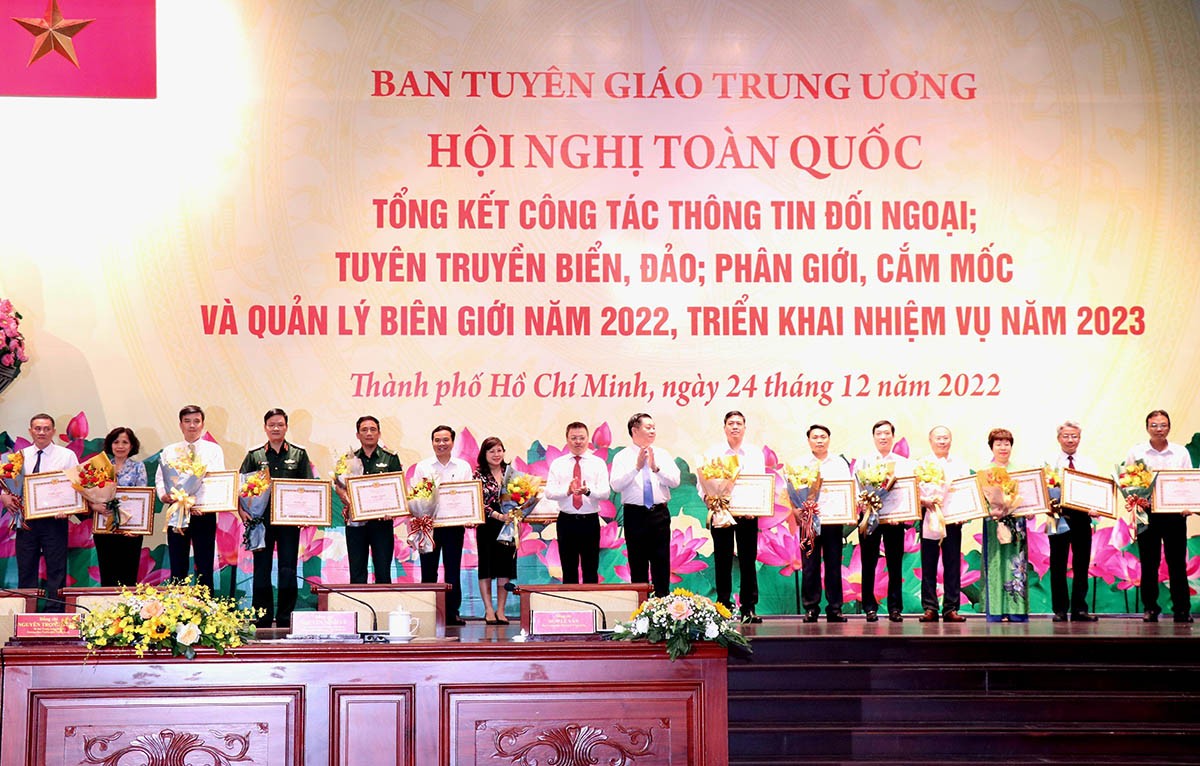 |
| 35 tập thể và 15 cá nhân có thành tích xuất sắc trong công tác thông tin đối ngoại, tuyên truyền biển, đảo và phân giới, cắm mốc, quản lý biên giới năm 2022 đã được nhận Bằng khen của Ban Tuyên giáo Trung ương, trong đó có Báo Thế giới & Việt Nam. (Nguồn: TTXVN) |
Trước yêu cầu trên, đồng chí Nguyễn Trọng Nghĩa đề nghị tiếp tục xem công tác thông tin đối ngoại, tuyên truyền về biển, đảo, biên giới là mặt trận quan trọng; xác định việc nâng cao nhận thức, sự đồng thuận trong xã hội, sự ủng hộ của bạn bè quốc tế là một trong những nhiệm vụ trọng tâm. Đồng thời, cần chủ động, sớm có kế hoạch chỉ đạo, định hướng triển khai trong hệ thống chính trị đối với các sự kiện chính trị, xã hội, văn hóa, đối ngoại quan trọng của đất nước; tiếp tục đổi mới, đa dạng hóa phương thức thông tin, tuyên truyền, phát huy hiệu quả việc áp dụng các phương thức truyền thông mới.
“Đã làm tốt rồi, phải làm tốt hơn nữa và coi trọng hơn nữa công tác thông tin tuyên truyền đối ngoại và phân giới, cắm tuyên truyền, phân giới, cắm mốc và biển đảo, coi đây là một mặt trận hết sức là quan trọng, không những góp phần nâng cao hình ảnh của Việt Nam, vị thế Việt Nam, mà quan trọng hơn là góp phần vào bảo vệ Tổ quốc từ sớm, từ xa. Tinh thần này cần được quán triệt sâu, rộng hơn nữa, trước hết là trong lực lượng nòng cốt, lực lượng chuyên trách, sau đó là trong toàn dân”, đồng chí Nguyễn Trọng Nghĩa chỉ đạo.
Tiếp tục nâng cao hiệu quả về công tác thông tin đối ngoại
Phát biểu tại hội nghị, Thứ trưởng Thường trực Bộ Ngoại giao Nguyễn Minh Vũ nhấn mạnh, thông tin truyền thông và thông tin đối ngoại là một công cụ bảo vệ chủ quyền, toàn vẹn lãnh thổ, trong năm qua, thông tin đối ngoại đã tạo ra một hình ảnh Việt Nam tốt đẹp, tích cực với dư luận thế giới và Việt Nam đã tận dụng khá hiệu quả công cụ về thông tin đối ngoại trong để bảo vệ chủ quyền, toàn vẹn lãnh thổ.
Xác định tầm quan trọng đó, trong thời gian tới, Bộ Ngoại giao sẽ tiếp tục bám sát chỉ đạo của Ban Chỉ đạo Nhà nước về công tác thông tin đối ngoại; tích cực tuyên truyền các hoạt động đối ngoại của các đoàn cấp cao, các đoàn công tác các cấp để tiếp tục khẳng định đường lối đối ngoại của Việt Nam.
Đồng thời, tiếp tục tuyên truyền về công tác biên giới, lãnh thổ, biển đảo, đặc biệt là kết quả quả phân giới cắm mốc biên giới trên bộ với các nước láng giềng, những nội dung tích cực liên quan đến hợp tác trên biển; triển khai tích cực các đề án nâng cao hiệu quả về công tác thông tin đối ngoại tại cơ quan đại diện Việt Nam ở nước ngoài năm 2030 và sớm hoàn tất đưa vào triển khai đề án tổng thể mới về tuyên truyền, bảo vệ chủ quyền của Việt Nam ở biển Đông đến năm 2030 và đẩy mạnh công tác thông tin đối ngoại trên báo chí bằng tiếng nước ngoài…
Dịp này, 35 tập thể và 15 cá nhân có thành tích xuất sắc trong công tác thông tin đối ngoại, tuyên truyền biển, đảo và phân giới, cắm mốc, quản lý biên giới năm 2022 đã được nhận Bằng khen của Ban Tuyên giáo Trung ương, trong đó có Báo Thế giới & Việt Nam.
Nguồn:
Views: 0
Ngay từ những tháng đầu 2021, Biển Đông liên tục xuất hiện trong các hội nghị, diễn đàn, tuyên bố. Tàu quân sự đủ loại của Trung Quốc, Mỹ và một số nước đang và sẽ hiện diện trên thực địa, cùng với các cuộc diễn tập. Tiếp theo là gì và như thế nào?

Năm 2020 và đầu 2021, Bắc Kinh vẫn tiếp tục thực thi “đa chiến pháp” trên Biển Đông. Truyền thông phủ sóng toàn cầu tuyên bố “chủ quyền không thể tranh cãi” và hình ảnh Trung Quốc xây dựng cộng đồng chung trên biển. Sửa đổi Luật Hải cảnh, công bố “danh xưng tiêu chuẩn” của các đảo, đá và thực thể đáy biển; phát triển “khu Tây Sa”, “khu Nam Sa”, dùng lục địa để gia tăng chủ quyền biển.
Thu hút các nhà nghiên cứu trong nước và quốc tế ủng hộ cái gọi là “chủ quyền lịch sử” của Trung Quốc. Biến hóa “đường chín đoạn”, “thuyết Tứ sa” để biến vùng đặc quyền kinh tế, thềm lục địa của các nước khác thành vùng biển tranh chấp, phần lớn Biển Đông thuộc chủ quyền, quyền chủ quyền, quyền tài phán của Trung Quốc.
Tiếp tục củng cố và xây mới cấu trúc lưỡng dụng trên các đảo, đá thuộc quần đảo Trường Sa, mới nhất là đá Vành Khăn. Đẩy mạnh xây dựng lực lượng quân sự hiện đại, đa năng trên biển, đáng chú ý là đội tàu sân bay.
Duy trì hoạt động thường xuyên của lực lượng đa binh chủng, Hải quân, Hải cảnh, đội tàu nghiên cứu khoa học, dàn khoan nước sâu cỡ lớn, binh đoàn hàng ngàn tàu thuyền dân quân biển, xâm nhập, răn đe, ngăn cản hoạt động dân sự, kinh tế của các nước, thực hiện kiểm soát trên thực tế.
Tàu hải cảnh, tàu bán quân sự Trung Quốc nhiều lần xâm phạm vùng biển khu vực thuộc bồn trũng Nam Côn Sơn, bãi Tư Chính (của Việt Nam), bãi cạn Scarborough (Philippines), bãi Luconia (Malaysia)…
Gần nhất, 24/2, có tin tàu Hải cảnh Trung Quốc áp sát dàn khoan Hải Thạch của Việt Nam đang hoạt động bình thường tại lô 5-02 trong vùng đặc quyền kinh tế, thềm lục địa Việt Nam.
Hàng chục tàu chiến Trung Quốc diễn tập quân sự ở Biển Đông. Từ ngày 24/2, Trung Quốc tổ chức diễn tập hàng hải cứu nạn, thông tin liên lạc với Hải quân Singapore, một động thái nằm trong chủ trương thúc đẩy hợp tác quốc phòng, an ninh với các nước ASEAN. Kết hợp ngoại giao, kinh tế, gây áp lực để đàm phán xây dựng COC có lợi cho Trung Quốc.
Năm 2020 và đầu năm 2021, Trung Quốc vẫn hành động một cách kiên quyết, cứng rắn, nhằm khẳng định, thực thi yêu sách chủ quyền, gây sức ép với các nước trong khu vực, ngăn chặn sự hiện diện của các nước ngoài khu vực. Củng cố thế đứng chân, xây dựng các chuỗi đảo thành các tuyến an ninh, ngăn chặn tiếp cận từ bên ngoài, mở rộng chủ quyền, quyền kiểm soát của Trung Quốc; tạo ưu thế nhiều mặt trên Biển Đông, không chỉ với ASEAN mà cả với Mỹ và đồng minh.
Với tư duy “lục địa chi phối đại dương”, Trung Quốc coi Biển Đông là “lợi ích sống còn”, là bàn đạp vươn ra các đại dương, các châu lục, thực hiện “Giấc mộng Trung hoa”. Trên các diễn đàn, hội nghị, các cuộc gặp gỡ, Bắc Kinh luôn nói Biển Đông yên tĩnh, trong tầm kiểm soát. Nhưng mỗi khi Trung Quốc khuấy là biển lại động, cả trên thực địa và dư luận.
Nhiều nhà nghiên cứu quân sự quốc tế đánh giá Trung Quốc là nhân tố cơ bản trong tình hình Biển Đông, bởi ưu thế, tham vọng, hành xử của họ và nhìn nhận Biển Đông lặng hay dậy sóng trước hết từ Trung Quốc.
Sau một tháng cầm quyền của Tổng thống Joe Biden, thông cáo báo chí ngày 19/2 đã phác họa khá rõ nét về chiến lược kiềm chế Trung Quốc trên Biển Đông. Mỹ tái khẳng định ủng hộ phán quyết năm 2016 của Tòa Trọng tài về vụ Philippines kiện Trung Quốc, coi đó là quyết định cuối cùng, phải tuân thủ.
Mỹ bày tỏ lo ngại về những thách thức từ Luật Hải cảnh mới của Trung Quốc. Tuyên bố trừng phạt các công ty Trung Quốc liên quan đến hoạt động cải tạo trái phép các đá ở quần đảo Trường Sa.
Bộ Quốc phòng Mỹ chủ trương tích hợp Hải quân, Tuần duyên, Thủy quân lục chiến thành lực lượng chung, tăng cường sức mạnh trên biển.
Trên thực địa, Mỹ gia tăng hoạt động FONOPs cả về tần suất và số lượng các nhóm tàu, phối hợp cùng lúc 2 nhóm tàu sân bay, di chuyển qua các vùng biển Trung Quốc tuyên bố chủ quyền, áp sát tàu khảo sát của Trung Quốc. Tổ chức diễn tập phối hợp trên biển với đồng minh.
Mỹ thúc đẩy quốc tế hóa vấn đề Biển Đông, thông qua Bộ tứ, các diễn đàn, hội nghị trực tuyến, điện đàm với lãnh đạo các nước (diễn ra khá dày đặc trong tháng 2). Mỹ cùng đồng minh phản đối mọi hành vi thay đổi hiện trạng khu vực Ấn Độ Dương-Thái Bình Dương, trong đó có Biển Đông bằng cưỡng đoạt, cưỡng ép của Trung Quốc.
Mỹ cam kết phối hợp hành động với các đồng minh, đối tác sâu hơn; sẵn sàng bảo vệ Nhật Bản, Philippines khi bị tiến công; ủng hộ các nước nhỏ chống lại hành vi sử dụng vũ lực hoặc đe dọa sử dụng vũ lực trong giải quyết tranh chấp chủ quyền. Các động thái trên phần nào tạo cho đồng minh, đối tác tin Mỹ sẽ coi trọng châu Á-Thái Bình Dương, trong đó có Biển Đông.
Biển Đông là một trong những trọng điểm trong chiến lược tổng thể kiềm chế sự trỗi dậy của Trung Quốc, đang được Thượng viện Mỹ soạn thảo. Đồng thời, ý định xây dựng chuỗi cung ứng sản phẩm công nghệ không Trung Quốc và nhiều động thái khác hỗ trợ cho mặt trận Biển Đông.
Bước đầu cho thấy Tổng thống Joe Biden không nhân nhượng, không thay đổi lập trường cứng rắn với Trung Quốc, nhưng cách tiếp cận có thay đổi. Hành động của ông Joe Biden có vẻ khẩn trương hơn người tiền nhiệm Donal Trump và dứt khoát hơn so với các tổng thống trước của Đảng Dân chủ.
Nhiều thập kỷ trước, Mỹ có một hệ thống căn cứ trên các đảo và ở nhiều nước châu Á-Thái Bình Dương. Hạm đội 7 thường xuyên hiện diện ở Biển Đông. Mỹ hiện là đối thủ lớn nhất, là đối trọng của Trung Quốc ở Biển Đông, nhưng vị thế có phần suy giảm.
Các cố vấn, nhà nghiên cứu từng cảnh báo Mỹ đã bỏ lỡ thời cơ, trong đó có việc hỗ trợ Philippines sau phán quyết của Tòa Trọng tài năm 2016 và thúc đẩy các nước khác tiến hành cuộc chiến pháp lý ở Biển Đông. Nếu xu thế đó tiếp tục, vai trò, lợi ích chiến lược của Mỹ sẽ bị ảnh hưởng lớn.
Mục đích của Mỹ ở Biển Đông là kiềm chế Trung Quốc, bảo vệ lợi ích chiến lược, vai trò lãnh đạo của mình. Tuy nhiên, Mỹ còn nhiều vấn đề cần giải quyết với đồng minh, đối tác, đối thủ, ở nhiều khu vực khác. Nhiều cam kết vẫn dừng ở tuyên bố. Hoạt động FONOPs phản đối yêu sách chủ quyền không có cơ sở pháp lý, nhưng chưa thể ngăn chặn chiến lược độc chiếm Biển Đông của Trung Quốc.
(còn tiếp)
TG&VN
Views: 0
Lực lượng Phòng vệ trên biển Nhật Bản mới đây tổ chức cuộc diễn tập chung với chiến hạm của Mỹ và Pháp ở vùng biển ngoài khơi quần đảo Kyushu thuộc phía tây nam của Nhật, giữa lúc Trung Quốc gia tăng hoạt động trên biển.

Đài NHK tối 20.2 dẫn thông báo từ Lực lượng phòng vệ biển Nhật Bản cho hay tham gia cuộc diễn tập có tàu tiếp tế Nhật JS Hamana, khu trục hạm Mỹ USS Curtis Wilbur và tàu hộ vệ Pháp FNS Prairial. Cuộc diễn tập 3 bên này diễn ra hôm 19.2.
Đây là cuộc diễn tập tế tiếp trên biển đầu tiên theo một thỏa thuận Nhật và Pháp đã ký kết hồi năm 2019. Thỏa thuận này cho phép các lực lượng phòng vệ của hai nước cung cấp qua lại hàng tiếp tế, như thực phẩm, nhiên liệu và đạn dược.
Ngoài mục đích cung cấp hỗ trợ hậu cần, cuộc diễn tập dường như còn nhằm thể hiện sự hợp tác mạnh mẽ giữa 3 nước trong bối cảnh Trung Quốc gia tăng hoạt động trên biển, theo NHK.
Tàu hộ vệ Pháp Prairial tham gia cuộc diễn tập nói trên được điều đến biển Hoa Đông từ tháng này để theo dõi xem việc vận chuyển hàng hóa giữa các tàu của CHDCND Triều Tiên có vi phạm lệnh cấm vận của Liên Hiệp Quốc hay không. Biển Hoa Đông còn là nơi Nhật và Trung Quốc có tranh chấp về quần đảo Senkaku/Điếu Ngư.
BDN
Views: 0

Trong bài đăng trên trang Twitter gần đây, Bộ trưởng Quốc phòng Pháp Florence Parly tiết lộ, một tàu ngầm tấn công chạy bằng năng lượng hạt nhân SNA Emeraude vừa có chuyến hải hành từ Đại Tây Dương đến Thái Bình Dương.
Trong đó, tàu ngầm trên đã đi đến Biển Đông để thể hiện “khả năng phối hợp xa bờ và lâu dài” với các đối tác chiến lược như Mỹ, Australia và Nhật.
Chuyến hải hành còn được Bộ trưởng Florence Parly nhấn mạnh như một cam kết bảo vệ luật pháp quốc tế. Giới quan sát nhận định, đây là một động thái của Pháp nhằm “dằn mặt” các hành vi của Trung Quốc ở Biển Đông.
Tại cuộc họp chung giữa 4 Bộ trưởng Quốc phòng và Ngoại trưởng Anh – Nhật đầu tháng này, Anh thông báo dự kiến triển khai nhóm tác chiến tàu sân bay HMS Queen Elizabeth tới Ấn Độ – Thái Bình Dương vào năm nay.
Hai nước Anh và Nhật Bản cũng ra tuyên bố chung bày tỏ quan ngại sâu sắc về tình hình Biển Đông, phản đối hành động đơn phương thay đổi hiện trạng trong khu vực.
Trong khi đó, hồi cuối năm 2020, Bộ trưởng Quốc phòng Đức Annegret Kramp-Karrenbauer cho hay, Berlin muốn gửi chiến hạm đến khu vực Ấn Độ Dương – Thái Bình Dương để tập trận cùng hải quân Australia ở khu vực này.
Australia là một thành viên trong Bộ tứ (gồm Mỹ, Nhật, Ấn Độ và Australia) được xem là bộ khung của chiến lược Ấn Độ Dương – Thái Bình Dương tự do và rộng mở nhằm đối phó các hành vi của Trung Quốc trong khu vực.
Cũng trong năm 2020, Pháp cùng Anh và Đức đã gửi công hàm lên Liên hợp quốc để phản đối các yêu sách chủ quyền của Trung Quốc ở Biển Đông.
Kết hợp cùng các động thái quân sự, châu Âu đang thể hiện rõ hơn quan điểm sẽ phối hợp ngăn chặn các hành vi của Bắc Kinh ở Biển Đông. Sự phối hợp này có thể đạt hiệu quả lớn hơn khi Mỹ, dưới thời Tổng thống Joe Biden, có xu hướng tăng cường hợp tác đa phương.
TG&VN
Views: 0
Views: 0
Views: 0
Views: 0
Views: 0
Views: 0
We are concerned about the situation in the South China Sea which could lead to insecurity and instability in the region.
We call on all coastal States of the South China Sea to take steps and measures that reduce tensions and contribute to maintaining and promoting peace, security, stability and safety in the region, including as regards the rights of coastal States in their waters and the freedom and rights of navigation in and overflight above the South China Sea.

As State parties of the United Nations Convention on the Law of the Sea (UNCLOS), France, Germany, and the United Kingdom underline their interest in the universal application of the Convention which sets out the comprehensive legal framework within which all activities in the oceans and seas including in the South China Sea must be carried out and which provides the basis for national, regional and global co-operation in the maritime domain. They recall in this regard the Arbitration Award rendered under UNCLOS on 12 July 2016.
Furthermore, France, Germany, and the United Kingdom welcome the on-going negotiations between the ASEAN member States and China in view of achieving a rules-based, co-operative and effective Code of Conduct consistent with UNCLOS in the South China Sea and encourage progress towards its early conclusion.
https://www.auswaertiges-amt.de/en/newsroom/news/-/2242280?fbclid=IwAR37cUQXtiInNt35h35C41XR8BaQo7yl7bvMsmLt_gwnnDGTlikRay3KC00
Views: 0

Brussels, 28/08/2019 – 15:14, UNIQUE ID: 190828_5
Unilateral actions during the past weeks in the South China Sea have resulted in mounting tensions and a deterioration of the maritime security environment which represents a serious threat to the peaceful economic development of the region.
It is crucial for all parties in the region to exercise self-restraint, take concrete steps towards reverting to the status quo ante, refrain from militarising the region and resolve disputes through peaceful means in accordance with international law, notably the United Nations Convention on the Law of the Sea (UNCLOS). The parties could also seek third party assistance in the form of mediation or arbitration to facilitate the settlement of their respective claims, if deemed useful.
The EU will continue to fully support regional ASEAN-led processes, in order to further promote a rules-based regional and international order, to consolidate multilateral cooperation, as well as closer cooperation with third parties. We are looking forward to a swift conclusion, in a transparent manner, of the talks on an effective, substantive and legally binding ‘Code of Conduct’.
The EU is committed to the legal order for the seas and oceans based upon international law, maritime security and cooperation, as well as the freedom of navigation and overflight, in the interest of all states.
https://eeas.europa.eu/headquarters/headquarters-homepage_en/66749/Statement%20by%20the%20Spokesperson%20on%20recent%20developments%20in%20the%20South%20China%20Sea?fbclid=IwAR0nmt8n-8Te5-posqtb5kWM_FUwDh5zapDdv4BCgvqfAONoaSa2YM58GDQ
Views: 0
Views: 0
Views: 0
Views: 0
Views: 0
Views: 0