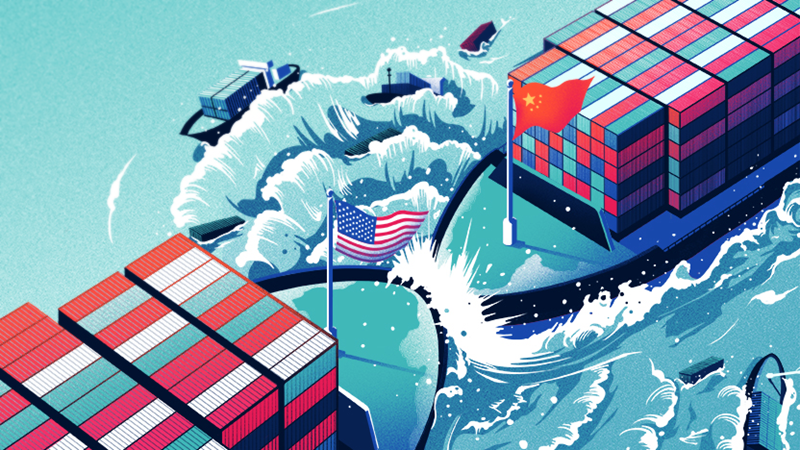
Mỹ nâng Tariff – Lợi & Hại?
By Le Hoang
/ 9. July 2025
Từ thời Trump đến Biden, rồi quay lại Trump, xu hướng nâng thuế nhập khẩu, đặc biệt với Trung Quốc...
Read More

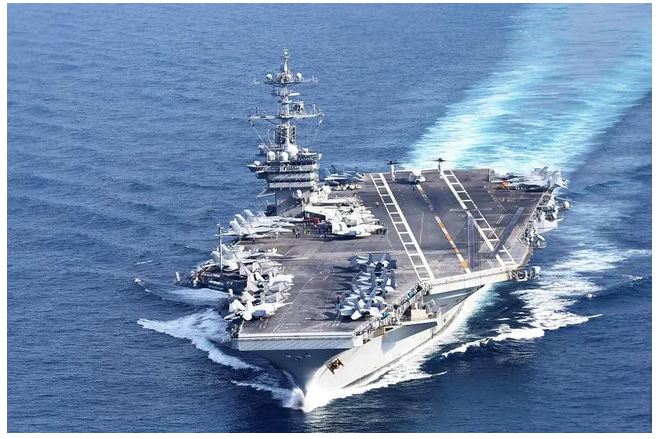

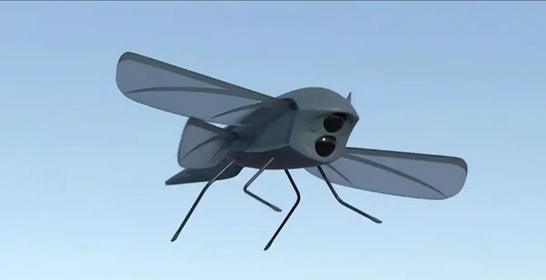

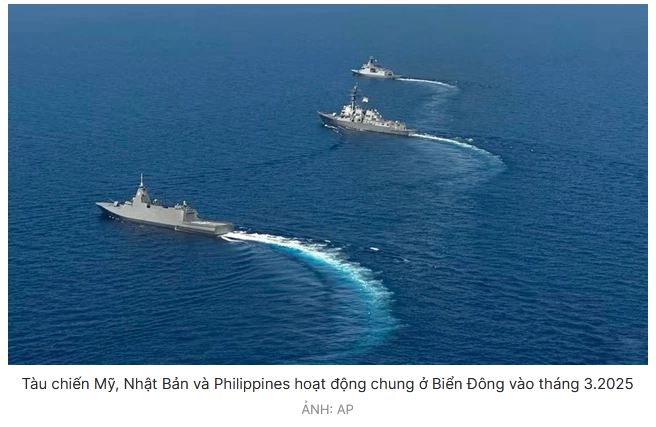


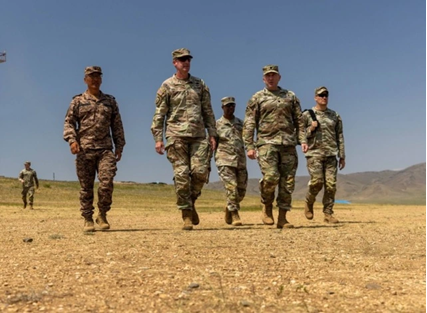

Có nhiều nguyên nhân, động lực phức tạp thúc đẩy các nước Đông Nam Á tích cực hiện đại hóa quân sự, trong đó những biến đổi của môi trường an ninh quốc tế và khu vực, mâu thuẫn và khác biệt trong nội bộ khu vực, sự phát triển của công nghệ quân sự và tình trạng cung ứng trên thị trường vũ khí toàn cầu là những yếu tố quan trọng, cụ thể:
Thứ nhất, những biến đổi của tình hình an ninh chiến lược quốc tế và khu vực. Là các quốc gia vừa và nhỏ, các nước Đông Nam Á rất nhạy cảm với những biến đổi của môi trường an ninh. Đồng thời, chính sách an ninh của những nước này phần lớn mang tính phản ứng không phải chủ động, đều là sự ứng phó với chính sách an ninh khu vực của các nước lớn thay vì đi đầu và dẫn dắt hành động. Do đó, diễn biến cục diện an ninh quốc tế cùng những biến đổi của tình hình an ninh khu vực kéo theo là động lực chính thúc đẩy tiến trình hiện đại hóa quân đội của các nước Đông Nam Á.
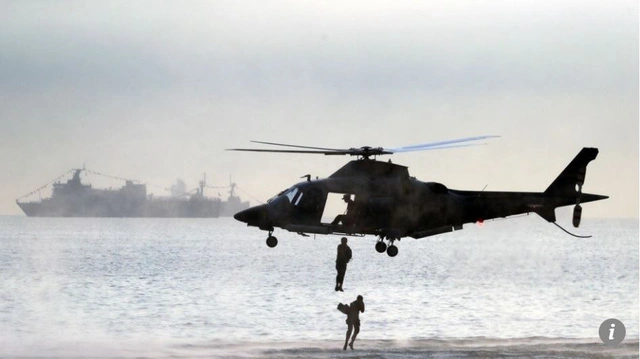
Đặc biệt, trong Thế kỷ XXI, tiến trình hiện đại hóa quân sự của các nước Đông Nam Á ngày càng gắn liền với mối lo ngại chiến lược của họ trước sự biến đổi của môi trường địa chính trị, thay vì những tính toán và cân nhắc nội bộ vốn chi phối quyết sách mua sắm quân sự của các nước trong suốt một thời gian dài. Sự biến đổi của môi trường địa chiến lược khu vực chủ yếu được thể hiện ở 3 khía cạnh sau: Một là, sự trỗi dậy của Trung Quốc và ảnh hưởng đối với khu vực. Hai là, sự suy giảm đáng kể sức mạnh của Mỹ cùng sự gia tăng nghi ngờ của các nước Đông Nam Á đối với nước này. Ba là, cùng với sự gia tăng cạnh tranh giữa các nước lớn, Mỹ đã thiết lập các cơ chế hợp tác đa phương hẹp tại khu vực Ấn Độ Dương – Thái Bình Dương như nhóm Bộ tứ (gồm Mỹ, Nhật Bản, Ấn Độ và Australia) và Thỏa thuận an ninh ba bên Mỹ – Anh – Australia (AUKUS), đồng thời giúp các đồng minh nâng cao năng lực quân sự, chẳng hạn như việc Mỹ và Anh sẽ hỗ trợ Australia đóng ít nhất 8 tàu ngầm chạy bằng năng lượng hạt nhân theo thỏa thuận AUKUS. Những hành động này làm cho tình hình an ninh tại khu vực Ấn Độ, Dương Thái Bình Dương trở nên phức tạp hơn, kích thích các nước nâng cấp vũ khí và trang thiết bị quân sự cho mình, từ đó đẩy nhanh tiến trình hiện đại hóa quân sự trong khu vực.
Thứ hai, sự mở rộng khái niệm kèm theo phán đoán mới về mối đe được an ninh. Trong thời kỳ Chiến tranh lạnh, mối lo ngai chính của hầu hết các quốc gia Đông Nam Á la chủ nghĩa ly khai và hoạt động phản loạn trong nội bộ. Sau khi Chiến tranh Lạnh kết thúc, các mối đe dọa an ninh mà các nước Đông Nam Á phải đối mặt càng trở nên phức tạp và đa dạng hơn. Ngoài các vấn đề an ninh truyền thống như tranh chấp biến giới lãnh thổ và xâm lược, Đông Nam Á luôn là khu vực chịu tác động nặng nề nhất của các mối đe dọa an ninh phi truyền thống như tình trạng đánh bắt cá bất hợp pháp, không báo cáo và không theo quy định (IUU), cướp biển, khủng bố, tội phạm xuyên quốc gia và thiên tai do đặc điểm địa lý, địa chiến lược và mâu thuẫn nội bộ hình thành bởi sự phức tạp về sắc tộc và vướng mắc trong lịch sử… Thách thức an ninh truyền thống và phi truyền thống đan xen và tác động lẫn nhau, do đó không một quốc gia nào có thể đơn độc đối phó. Việc các nước Đông Nam Á xây dựng quân đội chủ yếu nhằm đối phó với các hoạt động phản loạn trong nước không còn đáp ứng được nhu cầu bảo vệ an ninh quốc gia, nên họ buộc phải thúc đẩy hiện đại hóa quân đội toàn diện, tăng cường năng lực của quân đội trong việc thực hiện các hoạt động chiến tranh và hoạt động quân sự phí chiến tranh nhằm đối phó với các mối đe dọa an ninh ngày càng đa dạng.
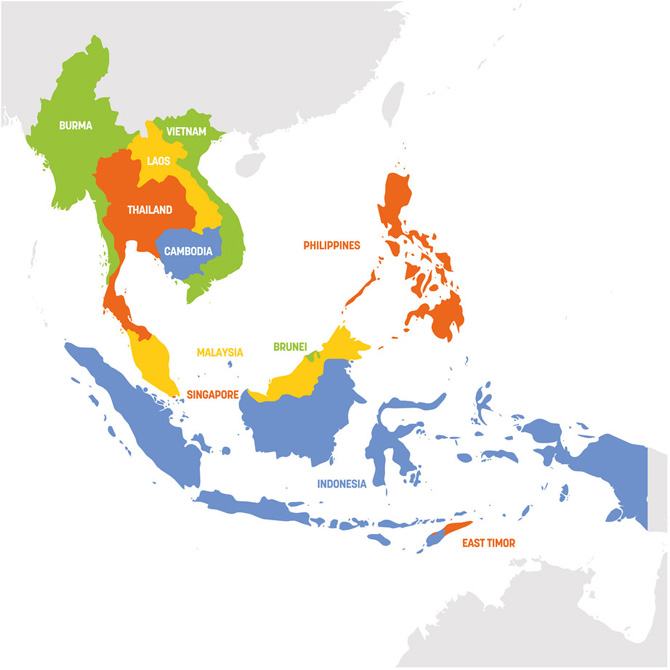
Thứ ba, mâu thuẫn và xung đột trong bộ khu vực. Xuất phát từ các tranh chấp lịch sử và xung đột lợi ích thực tế, xuất hiện mâu thuẫn tương tự. Mặc dù nội bộ các quốc gia Đông Nam Á cũng tại đa số các nước đều có thái độ nhân nhịn, giải quyết hòa bình các tranh chấp, nhưng những mâu thuẫn tiềm tàng vẫn là biến số ảnh hưởng đến an ninh khu vực Đông Nam Á. Đây cũng là một trong những nguyên nhân chủ yếu khiến các bên xác định mục tiêu chính sách tăng cường phát triển lực lượng quân sự.
Thứ tư, sự phát triển của kỹ thuật quấn sự kéo theo những biến đổi về hình hại chiến tranh. Mỗi bước đột phá lớn, quan trọng về kỹ thuật quân sự đều mkéo theo sự thay đổi về khái niệm và phương thức tác chiến đều ảnh hưởng sâu sắc đến việc xây dựng quân đội. Trong những năm gần đây, cùng với sự phát triển nhanh chóng của Cuộc cách mạng công nghiệp lần thứ tư, các công nghệ mang tính đột phá như trí tuệ nhân tạo, lượng tử, vũ khí siêu thanh, thiết bị không người lái được ứng dụng ngày càng nhiều trong lĩnh vực quân sự, làm thay đổi hình thái chiến tranh từ tin học hóa sang trí tuệ hóa. Những điều này tác động đến việc xây dựng và phát triển quân đội của các nước Đông Nam Á. Đồng thời, chuyển đổi mô hình quân sự không đơn thuần chỉ là mua sắm trang thiết bị vũ khí hiện đại, còn bao gồm cả việc đồng bộ hóa năng lực hậu cần, xây dựng điều lệnh liên hợp, chỉ huy, kiểm soát, trinh sát, tình báo và giám sát (C4ISR). Do hạn chế về sức mạnh quân sự và ngân sách quốc phòng, các nước Đông Nam Á không thể đầu tư phát triển công nghệ quân sự cao với quy mô lớn và toàn diện như các nước phát triển để nhanh chóng thực hiện chuyển đổi mô hình quân sự. Tuy nhiên, trong các lĩnh vực như mua sắm trang bị, tổ chức biên chế và huấn luyện quân đội, những nước này đã từng bước tích hợp được những thành quả và ý tưởng quân sự mới nhất. Trong những năm gần đây, những bước tiến trong xây dựng quân đội hướng tới tin học hóa, thậm chí ngay cả trong lĩnh vực phát triển trí tuệ hóa của các quốc gia Đông Nam Á, diễn ra ngày càng nhanh hơn. Không gian mạng đã trở thành lĩnh vực tác chiến thứ 5 bên cạnh lục quân, hải quân, không quân và vũ trụ, tác động sâu sắc đến quốc phòng của các nước, khu vực và an ninh thế giới.
Thứ năm, sự kích thích của thị trường vũ khí quốc tế. Trong một thời gian khá dài sau Chiến tranh Lạnh, các nhà sản xuất vũ khí ở Châu Âu, Mỹ và Nga phải đối mặt với vấn đề cắt giảm ngân sách quốc phòng và sự thu hẹp của nhu cầu vũ khí trong nước, do đó chủ yếu dựa vào thị trường nước ngoài để phát triển ngành công nghiệp quân sự của mình. Điều này không chỉ giúp các nước Đông Nam Á có được vũ khí và trang thiết bị hiện đại giá rẻ, mà còn giành được lợi thế trong đàm phản, đồng thời có thể nhận được các ưu đãi kèm theo như chuyên giao công nghệ và bồi thường. Đông Nam Á trở thành thị trường xuất khẩu vũ khí quan trọng của Mỹ, Tây Âu, Nga và Israel. Trong những năm gần đây, lượng trang thiết bị và vũ khí được các nước Đông Nam Á nhập khẩu từ Trung Quốc, Hàn Quốc, Nhật Bản, Ấn Độ, Thổ Nhĩ Kỳ và Đông Âu cũng ngày một tăng.
Cuối cùng, một số yếu tố khác cũng tác động đáng kể đến quá trình hiện đại hóa quân đội của các nước Đông Nam Á, đặc biệt là việc phát triển trang thiết bị. Một số quốc gia mua vũ khí và trang thiết bị không hoàn toàn vì lý do quân sự, mà để nâng cao uy danh quốc gia hoặc cạnh tranh với nước láng giềng. Ví dụ, không ít quốc gia Đông Nam Á coi vũ khí và trang thiết bị tiên tiến là biểu tượng của vị thế quốc gia, cho rằng việc sở hữu các trang thiết bị hiện đại (như tàu sân bay và tàu ngầm) có vai trò quan trọng đối với việc nâng cao uy tín của nhà cầm quyền và sự tự tin của người dân. Malaysia sau khi mua tiêm kích F-16 và tàu ngầm A12 của Singapore đã quyết mua thêm tiêm kích Su-30 của Nga và tàu ngầm Scorpene của Pháp. Sau khi các nước xung quanh như Malaysia và Indonesia sở hữu tàu ngầm, Thái Lan cũng quyết định mua tàu ngầm của Trung Quốc. Xét ở mức độ nào đó, tất cả các việc làm kể trên đều xuất phát từ toan tính cạnh tranh lẫn nhau./.

Views: 0
The South China Sea region faces a heightened risk of conflict as it arms itself at an “alarming rate,” an expert from the Stockholm International Peace Research Institute told CNBC on Monday.
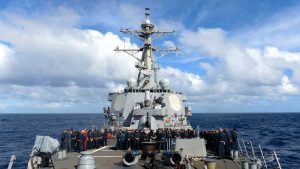
It comes as worldwide military spending surpassed $2 trillion for the first time ever in 2021, he added.
Tian said China’s increased military spending has created a “greater threat perception” in the neighborhood. This has “led to these neighboring countries such as Singapore, Japan, Australia and Taiwan purchasing a lot of new technologies, such as nuclear submarines and precision missile systems,” he said.
In response to China’s growing assertiveness in the South and East China Seas, its neighbors have purchased several U.S weapon systems over the past decade.
Earlier in April, the U.S. approved the sale of up to $95 million worth of training and equipment to support Taiwan’s Patriot missile defense system developed by Raytheon. It’s the third arms sale to Taiwan under the Biden administration.
In 2020, the U.S. approved a $23 billion order by Japan for a large number of F-35 fighter aircraft manufactured by Lockheed Martin. Northrop Grumman also delivered Global Hawk UAVs to Japan earlier this year. And Singapore has placed orders for F-35 fighters expected to be delivered in 2026.
Some of these U.S. defense stocks have surged since the start of Russia’s unprovoked war on Ukraine. Raytheon shares are 5% higher since Feb. 24, while Lockheed Martin stocks are up around 12% and Northrop Grumman is higher by around 11%. In comparison, the S&P 500 index is down over 2% in the same period.
Tian also referred to the threat North Korea poses to the region and the world. “North Korea is testing and developing nuclear weapons, which of course is a greater concern to not only the region but the world as a whole,” he said.
Tian said a large amount of financial resources are being allocated to the militaries of the South China Sea region, making a miscalculation possible. “A miscalculation could have severe consequences, given the amount of weapons being procured and the amount of financial resources being allocated to the region’s militaries to increase capabilities,” he said.
Globally, the total military expenditure surpassed $2 trillion for the first time. China and India were among the top three military spenders in 2021, behind the United States, which was the largest defense spender.
The U.K. and Russia, which were the fourth and fifth biggest spenders respectively, together accounted for 62% of total military spending last year. “This is the highest level ever recorded,” Tian said of total spending, adding that it had been increasing for seven consecutive years. “It puts the point into perspective that throughout the times of economic recession, changes in oil prices or even the pandemic, military spending has seen a consistent, persistent increase,” he said.
He also said military spending outstripped either spending on health care or on education.
The Ukraine war would only increase spending, he said. He said Germany, Sweden and Romania had already announced more spending.
“These countries will be looking to modernize their militaries, buy more weapons systems, equipment, and this would mean potentially more orders for the largest arms producing companies such as Lockheed Martin, Boeing and BAE systems, for example,” he said.
For more at: CNBC.com
Views: 0
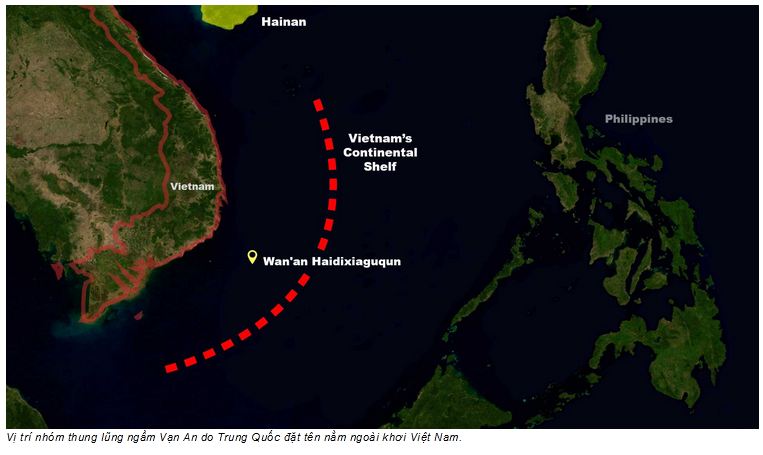
Trường Sa bao gồm Bãi Tư Chính, nơi Trung Quốc và Việt Nam đã có căng thẳng liên quan đến các tàu hải cảnh và dân quân biển của Trung Quốc vào năm 2019. Trường Sa cũng bao gồm Đá Chữ Thập, một căn cứ quân sự chính mà hải quân, hải cảnh và không quân Trung Quốc thường được điều đến.
Các thực thể mới đặt tên này thuộc Trường Sa thực sự rất nhỏ bé, nhưng sau khi bao gồm cả những vị trí địa lý, có thể dễ dàng thấy là Trung Quốc đang tuyên bố chủ quyền đối với chúng. Các thực thể này nằm rải rác quanh Bãi Tây – nơi Việt Nam xây một tiền đồn của mình vào khoảng năm 2013 đến 2016, và bổ sung thêm 2 trạm canh gần đó trong cùng giai đoạn này.
Toàn bộ bãi này gần như không đáng để đặt tên nhưng Trung Quốc cho rằng việc đặt tên cho từng phần của nó như là một phần của Bãi Tây và chuỗi “đảo” Longbi (Dragon’s Nose) là hợp lý. Vì những lý do không rõ ràng, một số những thực thể mini thậm chí còn được đặt tên hai lần với các tên khác nhau. Ví dụ, Xijiao Dongdao (Đảo Đông Bãi Tây) còn được biết với tên Longbi Xidao (Đảo Dragon’s Nose West).
“Dường như đây là sự tưởng tượng của người vẽ bản đồ của chính phủ được lôi ra từ tủ hồ sơ để đóng vào một danh sách mới các tên mà Bắc Kinh trước đó đã phô ra nhằm tỏ dấu hiệu cho thấy sự không hài lòng với Đông Nam Á, đặc biệt là Việt Nam liên quan đến những chỉ trích về những căng thẳng gần đây ở Biển Đông”, chuyên gia Poling nói.
Một trong những tiền đồn của Việt Nam ở Bãi Tây mà Trung Quốc nói Việt Nam xâm chiếm trái phép. Trung Quốc giờ đây gọi tiền đồn này là “Longbi Xidao” hay “Xijiao Xidao”.
Trung Quốc và Việt Nam đã có căng thẳng trong những tháng gần đây sau khi tàu hải cảnh của Trung Quốc đâm chìm tàu cá Việt Nam hôm 3 tháng 4 và sau một loạt những công hàm được các bên có chủ quyền ở Biển Đông nộp lên Liên Hiệp Quốc. Công hàm gần đây nhất mà Trung Quốc nộp lên thậm chí còn chỉ đích danh Việt Nam, yêu cầu Việt Nam phải rút toàn bộ nhân sự và các cơ sở khỏi các đảo và bãi đá.
Malaysia và Philippines cũng đã nộp các công hàm phản đối các tuyên bố chủ quyền của Trung Quốc lên Liên Hiệp Quốc. Đây là một sự đoàn kết hiếm có ngay trước khi Trung Quốc tuyên bố hai quận hành chính mới và công bố danh sách 80 thực thể.
BDN
Views: 1
Can thiệp và đối kháng
Chính quyền Joe Biden tiếp tục chủ trương cứng rắn với Trung Quốc (TQ) ở Biển Đông và hối thúc đồng minh can dự. Tháng 1/2021, một chiến hạm Canada đi qua eo biển Đài Loan để tới điểm tập trận chung ở Biển Đông cùng Australia, Nhật Bản và Mỹ. Ngày 9/2/2021, hai nhóm tàu sân bay Mỹ USS Theodore Roosevelt và USS Nimitz có cuộc tập trận chung ở Biển Đông. Tháng 2/2021, Hải quân Pháp điều tàu ngầm tấn công SNA Emeraude có tàu BSAM Seine hỗ trợ đến tuần tra ở Biển Đông, điều tàu đổ bộ tấn công Tonnerre và tàu khi trục Surcouf từ cảng Toulon tới biển Đông thực hiện nhiệm vụ tuần tra và huấn luyện 3 tháng. Cùng tháng 2/2021, tàu sân bay HMS Queen Elizabeth hiện đại nhất của Anh cùng chiến đấu cơ thế hệ 5 tàng hình F-3 và các máy bay trực thăng đã rời cảng Portsmouth tới Biển Đông, được hộ tống bởi 4 tàu khu trục, 1 tàu ngầm hạt nhân, 2 tàu tiếp liệu và tiếp tế. Ngày 5/4/2021, các tàu chiến Mỹ, Nhật, Australia, Ấn Độ và Pháp tham gia tập trận hải quân La Perouse kéo dài 3 ngày ở vịnh Bengal.

Hình thức “Bộ tứ +” có thể mở rộng với sự tham gia của các thành viên khác. Đức, Anh sẽ gửi tàu chiến đến Biển Đông cuối năm 2021. Pháp, Đức, Hà Lan đang soạn thảo chiến lược Ấn – Thái của EU. Tàu hộ tống lớp Bayern của Đức sẽ tới châu Á và đi qua Biển Đông vào tháng 12, đánh dấu lần đầu tiên tàu chiến Đức tới đây từ năm 2002.
Đồng thuận Washington về sự can thiệp quân sự ở Biển Đông của Mỹ cùng đồng minh, đối tác và phản ứng đối kháng, quyết đoán không khoan nhượng của Bắc Kinh sẽ làm gia tăng nguy cơ đụng độ quân sự với những hậu quả khó lường nhất là khi Bắc Kinh đã thông qua Luật hải cảnh mới cho phép nổ súng trước.

Nguy cơ và ứng phó
Thời gian tới, ngoài các phiên bản đụng độ mà TQ chủ động gây ra như các trường hợp EP-3E, Impeccable, USS Cowpens và Decatur… sẽ có thể xảy ra thêm một số kiểu đụng độ khác sau:
Một là, TQ có thể thiết lập Vùng nhận diện phòng không (ADIZ) ở Biển Đông và dùng máy bay xua đuổi các máy bay của đối phương có thể dẫn tới va chạm trên không.
Hai là, trường hợp Ba Đầu cho thấy Khả năng Bắc Kinh có thể dùng “biển thuyền” dân sự để ngăn chặn tàu chiến của đối phương và gây va chạm trên biển để tạo cớ gây hấn.
Ba là, Bắc Kinh có thể sử dụng một số vũ khí trí tuệ nhân tạo như máy bay không người lái, thủy lôi thông minh và tàu ngầm mini không người lái để cản phá.
Trong trường hợp xấu nhất do đánh giá sai ý đồ của nhau và không kiểm soát được hành vi, va chạm quân sự có thể bùng phát thành xung đột hoặc chiến tranh cục bộ nhất là khi một số vũ khí trí tuệ nhân tạo được kích hoạt. Kết hợp sự hung hăng của TQ và sự dao động của Mỹ khiến khu vực có thể rơi vào hỗn loạn. Ấn Độ Dương – Thái Bình Dương hiện nay giống như châu Âu trước chiến tranh – mất cân bằng, trật tự rạn nứt và không có liên minh rõ ràng để giải quyết vấn đề.
Do đó, cần đặt việc giải quyết vấn đề va chạm quân sự ở Biển Đông trong khuôn khổ cấu trúc an ninh khu vực đang định hình. Ba bài học châu Âu trước đây Mỹ có thể áp dụng: (I) Thiết lập sự cân bằng quyền lực ở khu vực; (II) Kiến tạo một trật tự mà các quốc gia trong khu vực công nhận là chính đáng; (III) Xây dựng liên minh giữa các đồng minh và đối tác để giải quyết thách thức mà TQ đặt ra cho cả hai bên./.
TS Nguyễn Đình Luân
Views: 0
By Ryan Martinson
A Chinese fishing vessel appears in a sensitive location—near the Senkaku Islands in the East China Sea, a South China Sea reef, or just offshore from a U.S. military base. Is it an “ordinary” fishing boat, or is it maritime militia?
This straightforward question seldom yields straightforward answers. China does not publish a roster of maritime militia boats. That would undermine the militia’s key advantages—secrecy and deniability. Nor is it common for Chinese sources to recognize the militia affiliations of individual boats. Analysts can gather clues and make a case that a vessel is likely maritime militia, or not. That process requires painstaking effort, and the results are rarely definitive.
The People’s Republic of China (PRC) may have made that process much easier, at least in the most contested parts of the South China Sea—the Spratly Islands. Since 2014, the PRC has built hundreds of large Spratly fishing vessels, collectively called the “Spratly backbone fleet” (南沙骨干船队). As I recently suggested at War on the Rocks, most if not all of these vessels are maritime militia affiliated. This insight can help overcome the perennial challenge of differentiating wayward Chinese fishermen from covert elements of China’s armed forces.
Backbone Boats are Militia Boats
In late 2012, PRC leaders decided to invest heavily in the modernization of China’s marine fishing fleet. Prompted by a proposal made by 27 scholars at the Chinese Academy of Engineering, they implemented a series of policies to help fishing boat owners replace their small, old wooden vessels with larger, steel-hulled craft. These programs provided subsidies to large segments of the Chinese fishing industry. But the most generous support was reserved for a specific class of fisherman: i.e., those licensed to operate in the “Spratly waters,” the 820,000 square kilometers of Chinese-claimed land and sea south of 12 degrees latitude.
The Chinese government, both at the central and local levels, allocated large sums of money to reimburse fishing boat owners willing to build new Spratly boats. Hundreds of Chinese fishing boat owners took them up on this offer. The new boats constituted the “Spratly backbone fleet.”
The PRC was very particular about what kinds of boats it wanted in the new fleet. In a January 2018 interview, the Party Secretary of a Guangxi-based firm named Qiaogang Jianhua Fisheries Company (桥港镇建华渔业公司) acknowledged that while the subsidies were quite large, the new boats had to meet very exacting standards. According to the Secretary, surnamed Zhong, the vessels must be quite large, have powerful engines, and be equipped with advanced refrigeration units, among “many, many” other stipulations. Zhong declared, “The document listing these requirements (批文) is very thick. If you don’t adhere to these stipulations, then there’s no subsidy.”
Aside from controlling what types of boats got built, Beijing likely desired some control over how the new boats got used. If deployed effectively, their actions could, like at Scarborough Shoal in 2012, enable new territorial acquisitions. Conversely, if misused, they could damage China’s reputation and even precipitate a violent clash. When the program began, China already had in place a system for controlling the activities of its fishing boats in contested waters: the maritime militia.
The “maritime militia” (海上民兵) is the saltwater element of China’s national militia. Like the People’s Armed Police and the People’s Liberation Army (PLA), it is a component of the country’s armed forces. Most members of the maritime militia have day jobs, often as fishermen. However, their affiliation with the militia means that their vessels can be “requisitioned” (征用) to participate in training activities and conduct missions (service for which they are compensated). Militia members are trained and managed by PLA officers assigned to People’s Armed Forces Departments (PAFDs) in the city, county, or town in which the militiamen reside.
Subsidies for construction of the Spratly backbone fleet have been channeled both to existing members of the maritime militia and unaffiliated fishing boat owners that were willing to take the oath as a condition for the money. Among the first to receive the new boats, members of the Tanmen maritime militia benefited from the first approach. Spratly backbone boats registered to Hainan’s Yangpu Economic Development Zone offer an example of the second.
The Spratly backbone fleet appears to be managed by the coordinated efforts of provincial fisheries authorities and the provincial military system (of which PAFDs are a part). The most compelling support for this thesis comes from a 2017 report by the Guangzhou-based MP Consulting Group, which was hired to audit Guangdong’s Marine and Fisheries Bureau. The resulting 96-page document was subsequently posted on the website of the Guangdong Department of Finance.
In their report, MP consultants assessed the Bureau’s success at achieving the seven goals established for 2016. Most were domestic regulatory functions, irrelevant to this story. However, the Bureau’s seventh goal set out the organization’s mission to help protect China’s “rights” in disputed maritime space in the South China Sea. MP consultants generally gave favorable marks on this account, listing eight noteworthy achievements. These included the Bureau’s role in “promoting the construction of maritime militia forces.” Specifically, the Bureau spent 2016 clarifying the division of responsibilities between it and the provincial military district with respect to the “construction, daily operation, combat readiness training, and other relevant tasks” of the Spratly backbone fleet. This statement indicates that the Guangdong elements of the Spratly backbone fleet—and, by extension, those backbone vessels based in Guangxi and Hainan provinces—are organized into militia units jointly managed by the provincial military district and the provincial Marine and Fisheries Bureau.
Other evidence supports the hypothesis that “backbone” boats are militia boats. In August 2020, for instance, the Jiangmen City branch of the Bank of Guangzhou released a summary of its contributions to the local economy. Among these, the branch cited a 97 million RMB loan it provided to an unnamed “top tier fishing company” to build 11 Spratly backbone boats. The bank unwittingly revealed that these new fishing vessels also had “militia functions” (民兵用船功能).

A generic employment contract for crew members embarking on Spratly backbone boats offers additional evidence. The contract—which was uploaded to a Baidu document sharing platform in February 2019—outlines terms for employment at the Shanwei City Cheng District Haibao Fisheries Professional Cooperative (汕尾市城区海宝渔业专业合作社). While little is known about this cooperative, its members are clearly active in the Spratlys. Indeed, its operations manager, Mr. Zhang Jiancheng (张建成), serves as the General Secretary of the Shanwei Spratly Fishing Association (汕尾市南沙捕捞协会).
The Haibao Fisheries contract makes clear that its backbone boats are militia boats, without actually using the words “maritime militia.” It contains a section on “rights protection requisitioning” (维权征用), i.e., removing the boat from production so that it can serve state functions in disputed maritime space. According to Article 2 in that section, if required for “national defense,” the fishing vessel and its crew must “participate in training activities and rights protection tasks, and support military operations.” Article 2 also indicates that crew members must comply with arrangements made by the fishing cooperative and “obey the command of the military” and other government authorities. Article 4 states that if and when the fishing vessel is requisitioned, the boat and its crew must “obey the command of the state,” operating in the manner required, mooring in the determined location, and “completing the operational tasks according to the specific requirements.”
Section 6 outlines the rules governing crew behavior, both ashore and at sea. For example, crew members must not gamble, solicit prostitutes, or visit strip clubs while in port (Article 6). The rules also include content specific to the vessel’s militia functions. Article 7 proscribes taking photos and “divulging the secrets of the boat.” Without the permission of the captain, crew members cannot bring outsiders aboard the boat to view its “design structure and internal setup” (设计构造和内部设置).
Implications
In this article, I have argued that most if not all Spratly backbone boats are militia boats. They may actually catch fish, but their militia affiliation makes them available for state and military tasking. If this conclusion is correct, it offers useful new ways to identify Chinese maritime militia forces operating in the Spratly waters. While the PRC does not publish lists of active maritime militia boats, it does share information about which boats belong to the Spratly backbone fishing fleet. This can serve as an indicator of militia status.
How might this work in practice? At the time of this writing, a team of four Chinese fishing boats is operating illegally within 200 nautical miles of Vietnam’s coast, i.e., within the country’s exclusive economic zone (EEZ). The four vessels are named Qionglinyu 60017, 60018, 60019, and 60020, respectively, indicating they are registered to Hainan’s Lingao county (临高县). Vietnamese maritime law enforcement authorities could evict them, but before doing so they might ask, are they maritime militia?
My answer: “very likely.” A quick sifting of open-source materials reveals they are all backbone boats. This information appears in a March 2020 open letter posted on the website “Message Board for Leaders” (领导留言板). In it, the boat owners entreat PRC officials to restore fuel subsidies and other rewards for operating in “specially-designated waters” in 2018. Likely amounting to hundreds of thousands of RMB, the subsidies were withheld as punishment for operating in the Spratlys without the required licenses. To elicit special consideration, they emphasized that their four vessels were Spratly backbone boats. (Their ploy ultimately failed, as the Lingao County Bureau of Agriculture responded to their letter with a firm but polite refusal to change their decision.)
Southeast Asian countries can and should compile lists of known Spratly backbone boats. They can start with local newspapers, which are a great source for such information. In December 2016, for example, Zhanjiang Daily published an article about the launching of the city’s first Spratly backbone trawlers: the 48-meter (577 ton) Yuemayu 60222 and 60333. Registered to the city’s Mazhang District, the craft are owned by Zhanjiang Xixiang Fisheries (湛江喜翔渔业有限公司). With these clues in hand, one can then try to learn the identities of the company’s two other Spratly backbone boats, then still under construction.
The websites of Chinese shipbuilding companies are another useful source of information. Those with contracts to build backbone boats often issue news releases when these vessels are launched or delivered. In October 2017, for instance, the Fujian-based Lixin Ship Engineering Company launched five very large Spratly backbone trawlers built for a Guangdong fishing company, Maoming City Desheng Fisheries Limited. The five boats were delivered two months later. They included Yuedianyu 42881, 42882, 42883, 42885, and 42886. The boats were 63.6 meters in length and had the large (1244kW) engines typical of the backbone fleet. Of note, Desheng Fisheries is the same company that owns Yuemaobinyu 42881, 42882, 42883, 42885, and 42886, all spotted moored at Whitsun Reef in March. Indeed, they may be the very same boats (their names having been slightly altered in the years since they were built).
Provincial and municipal governments may be the most valuable sources of all. In November 2020, the Guangdong Bureau of Agriculture and Rural Affairs released information about the province’s Spratly (“NS,” for nansha) fishing license quota for 2021. The document indicated that 255 Guangdong boats would receive Spratly fishing licenses this year, among which 185 would go to backbone boats and 70 would go to “ordinary boats” (普通渔船). The Bureau attached an Excel spreadsheet listing the chosen vessels. The document omitted Table 1, containing the list of backbone boats. But it did include Table 2, listing the 70 “ordinary” fishing boats. Since only two types of Guangdong boats operate in the Spratlys—i.e., ordinary and backbone—any Guangdong boat there and not found in Table 2 must be a backbone bone, and therefore presumed militia.
These data help shed light on recent events. In March and April 2021, the Philippine Coast Guard released photos of Chinese fishing boats loitering at Whitsun Reef. Thanks to the Asia Maritime Transparency Initiative (AMTI), we know the identities of 23 of them.
Both AMTI and the Philippines Coast Guard classified them as “militia.” They are right. All are from Guangdong. All are absent from Table 2. And that makes them no “ordinary” boats./.
—
Ryan D. Martinson is a researcher in the China Maritime Studies Institute at the Naval War College. He holds a master’s degree from the Fletcher School of Law and Diplomacy at Tufts University and a bachelor’s of science from Union College. Martinson has also studied at Fudan University, the Beijing Language and Culture University, and the Hopkins-Nanjing Center.
Views: 0
Admiral James Stavridis was 16th Supreme Allied Commander of NATO and 12th Dean of the Fletcher School of Law and Diplomacy at Tufts University. He spent the bulk of his operational career in the Pacific, and is author of “2034: A Novel of the Next World War.”
A great deal has been written about the possibility of a war between the U.S. and China. It tends to be measured in theoretical terms, and much of the analysis centers on exactly when it might occur. But the vital question is really quite simple: who would win?
Of course — no one really “wins” a major war. But the best way to avoid having to go to war at all is to convince your potential opponent that they almost certainly would be the biggest loser. The military balance between China and the United States is complicated, and requires thinking about budgets, numbers of warships and aircraft, geography, alliance systems and technology — especially undersea capability, cybersecurity and space.
Let’s start with dollars and yuan. The U.S. defense budget is fairly transparent, at least in terms of total dollars. Defense spending was around $714 billion in the 2020 fiscal year — and is likely to increase to $733 billion in 2021. Somewhat opaque, China’s defense spending is certainly smaller, with this defense budget set at 1.36 trillion yuan ($212.6 billion), a 6.8% increase from the previous year.
But China does not have the high personnel costs of an all-volunteer force, and their military activities are largely focused on East Asia, not the very expensive global footprint of the U.S. military. And a significant level of their spending does not appear “on the public books.” Overall, in terms of resources, the U.S. has an advantage, but it is not as overwhelming as it appears.
In terms of simple numbers of warships, China is already leading the U.S., roughly 350 to 300, in combat vessels. And the Chinese shipyards are pumping out new warships on a near-weekly basis, especially relatively low-technology patrol missile boats, corvettes and frigates. Still, U.S. ships are ton-for-ton larger, endowed with better offensive and defensive systems, and manned by far more experienced crews.
Additionally, the U.S. has a very sophisticated network of command-and-control capabilities to knit together its long-range aviation platforms alongside surface warships and, of course, submarines. When factoring in the tight geography of east Asia, I would say slight advantage China in terms of pure numbers of platforms both sea and air, with the U.S. having higher quality of assets.
Geographically, China enjoys a great advantage in a potential conflict with the U.S. in the South and East China seas. Notably, China would be able to support its warships logistically in terms of fuel and ammunition, provide combat repair facilities nearby and move sailors on and off their ships with ease. For the United States, lengthy supply and manpower chains would bedevil U.S. forces, even allowing for the presence of U.S. bases close by.
Additionally, the string of artificial islands built by China throughout the South China Sea would somewhat balance the U.S. bases in South Korea, Japan and Guam. The U.S. Navy, by the way, does not refer to the roughly 10 Chinese “islands” as artificial islands — rather, they are thought of as unsinkable aircraft carriers.
Indeed, a great deal of U.S. tactical and strategic warfighting thinking is going into how to neutralize those facilities, with one thought being to deploy U.S. Marine special forces — Marine Raiders — to destroy their offensive capability early in a fight. While the U.S. would try to make up for its long logistic tail by engaging our allies, geography is clearly a factor that favors China.
How about alliances? The U.S. has long felt that its greatest comparative advantage over China is its network of allies, partners and friends around the world. In Asia, that means strong support from Japan — the third-largest economy in the world, Australia –Â very capable naval forces, South Korea, Singapore and many others. The U.S. is also strongly cultivating India via the Quad concept of aligning it with the U.S., Japan and Australia. Yet how much the U.S. could count on such partners in the face of a Chinese attack is a growing question.
Additionally, China is increasingly taking a page from the U.S. and strengthening its systems of partnerships. The Belt and Road Initiative is designed to do exactly that, and the Chinese are making inroads both in Asia and the east coast of Africa. Most importantly, Beijing is consolidating its relationships with Russia — the two nations frequently exercise together militarily, Iran — China just announced a $400 billion investment, Pakistan and the Philippines — President Rodrigo Duterte seems to favor China in many issues over the U.S., nominally a formal treaty ally.

Overall, the U.S. allies are bigger, richer and have stronger militaries, so an advantage for Washington — but the gap is closing.
Finally, and most importantly, victory in a U.S.-China war would be highly influenced by who has the best technology. In the key areas of undersea silencing of submarines, numbers of military satellites in space, offensive and defensive cyber tools and unmanned vehicles, the U.S. still has the lead. But China is closing fast, especially in artificial intelligence, hypersonic cruise missiles, cyber and the emerging field of quantum computing. The recently released National Commission on Artificial Intelligence is telling in this regard. Again, slight — but closing — advantage to the United States.
Bottom line: If I were the admiral commanding the U.S. Indo-Pacific Command — the leader for all American military forces in the Pacific and Indian oceans — I would still want the U.S. hand of cards to play. But as the Duke of Wellington said of the Battle of Waterloo, a fight with China would be a “near-run thing.” And over the next decade, that gap will close and — if the U.S. does not respond — will favor China.
That is why I set my recent novel, 2034: A Novel of the Next World War, 10 to 15 years in the future. Those alarm bells are going off at the Pacific Fleet headquarters in Pearl Harbor, and watch for U.S. strategic focus, resources and advanced technology to head west in the coming decade./.
Views: 0
The Quad, composed of the United States, Australia, India, and Japan, is not a formal alliance. Still, the group has intensified its security and economic ties as tensions with China rise.
The Quad, officially the Quadrilateral Security Dialogue, is a group of four countries: the United States, Australia, India, and Japan. Maritime cooperation among them began after the Indian Ocean tsunami of 2004. But today the countries—all democracies and vibrant economies—work on a far broader agenda, which includes tackling security, economic, and health issues.
Over the years, the Quad’s diplomacy has waxed and waned. It is a loose grouping rather than a formal alliance. Japan initially emphasized the democratic identity of the four nations, whereas India seemed more comfortable emphasizing functional cooperation. Australian leaders have been reluctant about creating the impression that the group is a formal alliance.
As of 2021, leaders in all four countries have become more aligned in their shared concerns about China’s increasingly assertive behavior in the region and are more willing to define a constructive agenda of cooperation. All four navies participated in their first joint exercise in over a decade in November 2020. And in March 2021, U.S. President Joe Biden convened a virtual Quad meeting attended by Australian Prime Minister Scott Morrison, Indian Prime Minister Narendra Modi, and Japanese Prime Minister Yoshihide Suga. They formed working groups on COVID-19 vaccines, climate change, and technological innovation and supply-chain resilience.
Working closely with these countries is natural for the United States. Australia and Japan are U.S. treaty allies, and India is an important strategic partner. The Donald Trump administration worked closely with these countries, and the Biden administration is expanding the Quad’s agenda.
The Indo-Pacific spans two oceans and several continents, making it important to U.S. maritime interests. In 2019, $1.9 trillion [PDF] worth of U.S. trade passed through the region. This year, 42 percent of the world’s exports and 38 percent of global imports are expected to pass through, according to a UN report.
China’s growing willingness to challenge the regional status quo worries Washington, and Beijing’s challenging of democratic values over the past year has deepened other Quad partners’ concerns as well. China’s pursuit of its regional interests—including its crackdown on Hong Kong’s freedoms and criticism of nations that take issue with its actions—has not been slowed by the COVID-19 pandemic. However, the Quad’s agenda is not all about China. Leaders of the four nations also see a need for a more proactive approach to solving humanitarian and economic challenges caused by COVID-19.
Former Japanese Prime Minister Shinzo Abe was a strong believer in the Quad’s power to ensure a “free and open Indo-Pacific.” Abe worked to persuade the Trump administration of the value of this coalition approach across the Indo-Pacific.
Japan depends heavily on open sea lanes for its trade with the world. The U.S. and Japanese militaries already work closely across the region, and Japan’s Self-Defense Forces have slowly built relationships [PDF] with their Australian and Indian counterparts. Similarly, Japan has played an important role in supporting investment [PDF] in manufacturing, trade, and infrastructure development across the region.
Japan and its Quad partners share concerns about China’s role in the region and Beijing’s challenges to the rule of law. Beijing’s assertion of its sovereignty in the South China Sea, as well as Chinese provocations toward islands China and Japan both claim in the East China Sea, has made Tokyo wary of China’s military build-up. Strategic consultations with other Quad partners are vital.
Similarly, Japan is watching carefully as China imposes economic conditionality on countries in the Indo-Pacific, and it wants to offer Southeast Asian countries alternative sources of assistance and commerce to offset China’s growing influence. Tokyo has joined with Washington and Canberra to deepen the funds available for quality infrastructure. Bolstering the resilience of the Quad nations, especially for critical supply chains for goods such as semiconductors, will also be a Japanese priority.

China’s relations with each of the Quad members have become more tense during the pandemic. U.S.-China tensions remain high; Beijing’s frustration was conspicuous when the new Biden foreign policy team had its first meeting with its Chinese counterpart in Alaska in March. Australia continues to bear the brunt of Chinese economic sanctions after suggesting a World Health Organization investigation into the origins of COVID-19 last year. India and Japan have clashed with China over territorial disputes. China’s ambassador to Tokyo has publicly criticized Prime Minister Suga, claiming that the new Quad diplomacy reflects a “Cold War mentality” and that it is “100 percent outdated.” In addition, recent polls have shown negative views of China have soared among publics across the region.
Yet, few policymakers in the Quad countries see an advantage in trying to contain Chinese influence militarily. Instead, the Quad leaders have emphasized cooperation across areas of shared interest to bolster confidence in the democracies’ ability to counter China’s assertion of regional influence. As long as tensions with China remain, the Quad’s agenda is likely to expand as the democracies of the Indo-Pacific seek to balance China’s growing power./.
For more: https://www.cfr.org/in-brief/quad-indo-pacific-what-know
Views: 0

Tại sao các đảo và quần đảo vẫn hết sức quan trọng trong chiến lược quốc phòng ở Châu Á ngày nay? Các chuỗi đảo ở phía Tây Thái Bình Dương là đặc điểm địa lý hàng hải đóng vai trò hết sức quan trọng về mặt chiến lược vốn thay đổi theo thời gian. Các cường quốc khác nhau đã diễn giải, và lại tái diễn giải và tái định nghĩa lại giá trị của các chuỗi đảo này, về vai trò mà chúng có thể có trong tổng thể chiến lược quốc phòng quốc gia.
Các chiến lược gia Trung Quốc tiêu biểu như Đô đốc Lưu Hoa Thanh đã dành nhiều sự chú ý vào các chuỗi đảo Tây Thái Bình Dương từ giữa những năm 1980, nghiên cứu xem các chuỗi đảo này có thể giúp ích gì cho chiến lược hải dương của Trung Quốc. Tuy nhiên từ trước đó, các chiến lược gia từ Đức, Nhật Bản cho tới Mỹ cũng đã cố gắng cân nhắc và suy nghĩ tới vị thế địa chính trị của các chuỗi đảo trong cả thời bình lẫn thời chiến.
Nước Đức có lẽ là quốc gia đầu phân tích các giá trị chiến lược của các hòn đảo Thái Bình Dương. Giành được quần đảo Miriana và Carolina từ Tây Ban Nha sau chiến tranh Mỹ-Tây Ban Nha năm 1898. Theo thiếu tướng Karl Ernst Haushofer, “Vòng cung đảo gần bờ” mà ông đặt trong khu vực Thái Bình Dương-Ấn Độ Dương sẽ đóng vai trò như một “tấm màn bảo vệ” (protective veil) che chắn cho các cường quốc lục địa như Ấn Độ hay Trung Quốc.
Tới lượt Nhật Bản, vốn đã trở thành một cường quốc hải dương vào giai đoạn bước sang thế kỷ 20, đã có thể đánh bại hải quân Trung Quốc và chiếm giữ Đài Loan vào năm 1895. Sức mạnh hải quân gia tăng khiến Tokyo tập trung tìm hiểu giá trị chiến lược mà các đảo và quần đảo ở phía Tây Thái Bình Dương mang lại. Một lực lượng viễn chinh Nhật Bản trong Thế chiến thứ nhất đã giành quyền kiểm soát một số đảo trong quần đảo Micronesia từ tay Đế quốc Đức. Các đảo này không chỉ là những viên đá đầu tiên trong chiến lược hướng nam của Nhật lúc đó, tập trung vào khai thác tài nguyên kinh tế và khoáng sản của Đông Nam Á, mà còn đóng vai trò như một vùng đệm chiến lược. Kiểm soát quần đảo Micronesia (bao gồm các đảo Mariana, Marshall và Caroline bao gồm Palau) sẽ tạo nên một bức “hàng rào” ngăn chặn khả năng Mỹ có thể sử dụng các căn cứ của mình tại Guam hay Philippines để đe doạ Nhật Bản trong tương lai.
Lo lắng của Nhật Bản lặp lại chính lo lắng của Mỹ rằng Nhật Bản sẽ cố gắng kiểm soát một phần chuỗi đảo, vốn là một trong những nguyên nhân dẫn tới chiến tranh Mỹ-Tây Ban Nha. Vào những năm 1910-11, các chiến lược gia quân sự Mỹ nghi ngờ rằng một ngày nào đó Nhật Bản sẽ đe doạ đảo Guam và quần đảo Philippines. Thiếu tá Earl Hancock “Pete” Ellis thuộc lực lượng thuỷ quân lục chiến, một trong những chiến lược gia chiến tranh đổ bộ đầu tiên, đã chú ý tới các đảo do Nhật Bản chiếm hữu vào thời điểm đó và cho rằng đó là những “tiền đồn” cần thiết giúp Tokyo phong toả toàn bộ các tuyến đường biển qua Thái Bình Dương trên một khoảng cách trải dài 2.300 dặm. Qua đó, Ellis cho rằng hải quân Mỹ nên chiếm giữ các nhóm đảo này và thiết lập “các căn cứ tiền phương giúp duy trì hoạt động tác chiến xa hơn ở khu vực”. Ellis đặc biệt lưu tâm đến việc chiếm giữ đảo Guam.
Trong suốt chiến tranh Thái Bình Dương, như những gì mà Ellis đã tiên đoán, hải quân Mỹ đã phải cố gắng giữ vững những cụm đảo mà mình đã chiếm hữu và đồng thời xâm nhập vào các chuỗi đảo mà Nhật Bản đang kiểm soát. Đô đốc Earnest King tin rằng kiểm soát được Đài Loan “giúp Mỹ khép nút cổ chai khu vực Biển Đông trong suốt Thế chiến thứ hai, đe doạ các tuyến hàng hải quan trọng của Nhật Bản, cùng với đó là nguồn cung dầu mỏ và khoáng sản của Nhật”. Điều này đã phần nào định hình nên kết cục của cuộc chiến tranh liên đại dương này.
Chiến thắng trong chiến tranh Thái Bình Dương, các chiến lược gia của Mỹ bắt đầu phân tích giá trị chiến lược của các chuỗi đảo đặt trong bối cảnh Chiến tranh lạnh. Chính trong thời gian này các khái niệm chính thức có liên quan tới các “chuỗi đảo” được phát triển và định nghĩa một cách rõ ràng. Chiến lược của Washington xoay quanh nghiên cứu của Cơ quan Tham mưu hỗn hợp vào năm 1948 nhằm thiết lập một vành đai phòng thủ chạy từ quần đảo Aleutian, xuống Nhật Bản, qua Đài Loan và Philippines.
Tướng Douglas MacArthur đóng vai trò quan trọng trong việc định hình các đặc trưng địa chính trị quan trọng của các chuỗi đảo trong suốt thời kỳ đầu Chiến tranh lạnh. Ông cho rằng Mỹ cần phải thiết lập một “lực lượng tấn công” chạy dọc theo khu vực “đường chữ U” kéo dài từ quần đảo Aleutian, qua đảo Midway (hòn đảo đã từng nằm trong tay phát xít Nhật), qua sân bay quân sự Clark ở Philippines và đặc biệt là Okinawa”. MacArthur mô tả Đài Loan như một “tàu sân bay và căn cứ tàu ngầm không bao giờ chìm” nhằm phục vụ chiến lược tấn công của các lực lượng đồng minh tại Okinawa và Philippines.
Từ các chuỗi đảo chiến lược này, theo MacArthur, biên giới phía Tây của Mỹ đã được mở rộng ra khỏi bờ tây. Nước Mỹ đã có khả năng sử dụng sức mạnh không quân và hải quân để kiểm soát các cảng quan trọng của châu Á từ Vladivostok cho tới Singapore và ngăn chặn các hành động thù địch có thể lan rộng ra Thái Bình Dương.
Các chiến lược gia Trung Quốc thường tham khảo các quan điểm của Mỹ từ thế kỷ 20 để xây dựng nên chiến lược của riêng mình. Nhiều nguồn tham khảo Trung Quốc dẫn lại các tuyên bố từ thời Chiến tranh lạnh nói đến sự cần thiết phải thiết lập vành đai phòng thủ được đề xuất bởi MacArthur, Dean Acheson hay John Foster Dulles. Một học giả Trung Quốc khẳng định rằng Mỹ sáng tạo ra khái niệm chuỗi đảo chiến lược nhằm mục đích kiềm chế và ngăn chặn các nước xã hội chủ nghĩa khi đó là Liên Xô và Trung Quốc. Tư tưởng chiến lược của Trung Quốc hiện tại thì nhấn mạnh vào quan điểm của Mỹ thời kỳ đầu Chiến tranh lạnh. Các bài nghiên cứu quân sự của Trung Quốc cho rằng Mỹ thiết lập các chuỗi đảo nhằm mục tiêu hạn chế khả năng bành trướng sức mạnh hải quân cũng như khả năng tự do hoạt động của Trung Quốc khắp vùng phía Tây Thái Bình Dương. Điều này đe doạ trực tiếp tới an ninh hàng hải của Trung Quốc.
Bên cạnh đó, một số học giả Trung Quốc khác cho rằng các chuỗi đảo sẽ đóng vai trò là bàn đạp cho quân đội Mỹ thực hiện các chiến dịch quân sự tại những khu vực Trung Quốc đang đòi hỏi chủ quyền. Chuẩn đô đốc đã nghỉ hưu Zhang Zhaozhong nhận diện đảo Guam là một vị trí chiến lược để từ đó Mỹ có thể “ngay lập tức triển khai máy bay hoặc tàu ngầm với mục tiêu thiết lập trật tự trên chiến trường”.
Đối lập với các quan điểm trên, một số học giả Trung Quốc coi các chuỗi đảo là điểm mốc cho hoạt động tác chiến của quân đội Trung Quốc. Thông thường thì những ý kiến kiểu như vậy xuất hiện thường xuyên hơn ở các chiến lược gia hải quân. Đô đốc Lưu Hoa Thanh cho rằng trong tương lai gần, hầu hết các chiến dịch hải quân sẽ được tiến hành bên trong Chuỗi đảo thứ nhất, mà ông định nghĩa bao gồm Nhật Bản, Hàn Quốc, Đài Loan, quần đảo Philippines và quần đảo Sunda lớn. Nhưng trong dài hạn, Lưu khẳng định rằng Trung Quốc phải chuẩn bị để tiến ra Chuỗi đảo thứ hai, bao gồm quần đảo Mariana, Guam và Palau. Truyền thông Trung Quốc thường xuyên nhấn mạnh quan điểm này. Đối với một số người, các chuỗi đảo đã trở thành cột mốc trong nỗ lực của hải quân Trung Quốc trở thành lực lượng hải quân biển xanh với khả năng triển khai sức mạnh ở cả thời bình và thời chiến.
Giá trị địa chính trị thực chất của các chuỗi đảo phía Tây Thái Bình Dương đã được thể hiện qua vô số các đánh giá chiến lược của nhiều cường quốc. Các loại vũ khí và người điều khiển, hỗ trợ đi kèm chỉ có thể phát huy năng lực tác chiến hiệu quả nếu được đặt tại các căn cứ phù hợp trên mặt đất. Từ các căn cứ như vậy, tác chiến sẽ hiệu quả, được duy trì tốt hơn với chi phí chấp nhận được. Tốc độ và cường độ của chiến tranh hiện đại đòi hỏi các lực lượng quân đội phải vượt qua được rào cản về khoảng cách (tyranny of distance). Triển khai các loại tài sản quân sự của quốc gia, hay ít nhất là duy trì sự hiện diện ở khu vực là một lựa chọn không thể thay thế. Cần phải lưu ý rằng, với một đại dương rộng lớn như Thái Bình Dương, chỉ có khoảng 20 hòn đảo có diện tích lớn hơn 10,000 cây số vuông. Ở phía nam Thái Bình Dương, tổng diện tích đất liền chỉ vào khoảng hơn 550,000 cây số vuông.
Sự phát triển mạnh mẽ của khoa học công nghệ hiện nay khiến cho giá trị chiến lược của các chuỗi đảo thay đổi nhanh chóng. Sự ra đời của các hệ thống vũ khí tầm xa hiện đại (như máy bay, tên lửa chống hạm, tên lửa đối đất, tàu ngầm tiến công thông thường) cũng như các hệ thống vũ khí phòng thủ (tên lửa phòng không tầm xa) đã thay đổi cục diện chiến lược. Các vũ khí mới này đã gia tăng một cách đáng kinh ngạc tầm bắn của các hệ thống phòng thủ bờ biển so với tàu chiến – một lợi thế mà Trung Quốc đang tận dụng có hệ thống.
Các hệ thống vũ khí mới này, đặt trong bối cảnh Trung Quốc ráo riết bồi đắp các đảo nhân tạo mới trên Biển Đông cho thấy rõ tầm quan trọng chiến lược của hệ thống chuỗi đảo dọc Tây Thái Bình Dương. Đây là một ví dụ chưa từng có trong lịch sử về việc một quốc gia cố gắng thay đổi thực tế địa lý bất lợi thành có lợi cho mình. Bắc Kinh đang thiết lập nên một chuỗi đảo mới nhằm “phủ đầu” các mối đe doạ tới chủ quyền của Trung Quốc. Có thể thấy rằng, các chiến lược gia Trung Quốc vẫn sẽ tiếp tục đặt các chuỗi đảo vào trọng tâm hoạch định của mình ở tương lai./.
Tiến sỹ Nguyễn Thế Phương
Views: 0
Trang mạng Politico ngày 13/5 đăng bài phân tích của cựu Đô đốc Hải quân Mỹ James Stavridis, từng là Tư lệnh tối cao các lực lượng vũ trang NATO, trong đó nhận định rằng hiện không có nguy cơ xảy ra chiến tranh trên bộ ở châu Á, song khả năng xảy ra một trận chiến trên biển giữa Mỹ và Trung Quốc đang tăng lên.

Tàu sân bay Mỹ USS Ronald Reagan (trái), tàu tấn công đổ bộ USS Boxer và các tàu liên quan tiến hành hoạt động ngày 6/10/2019 trên Biển Đông.
Để nhìn nhận đúng các nguy cơ, cần thấy được tầm quan trọng của Biển Đông – cán cân quân sự ở Đông Á giữa Mỹ và Trung Quốc và vai trò quan trọng của Đài Loan (Trung Quốc) trong kịch bản này.
Quy mô và tầm quan trọng của Biển Đông là khó có thể tranh cãi. Biển Đông lớn hơn cả Vịnh Mexico và Biển Caribe cộng lại. Các nhà phân tích coi Biển Đông là chặng đầu tiên của sáng kiến “Vành đai và con đường” của Bắc Kinh, chiến lược địa chính trị và thương mại nhằm chuyển các nguồn lực sang Trung Quốc và xuất khẩu hàng hóa sản xuất, cũng như mở rộng các mối quan hệ kinh tế và ảnh hưởng địa chính trị.
Biển Đông là “thềm trước” của Trung Quốc, kết nối Trung Quốc với các nước láng giềng lân cận và tạo điều kiện cho Bắc Kinh gây áp lực đối với Philippines, Việt Nam, Thái Lan, Malaysia, Indonesia, Singapore và các nước khác.
Bằng cách tuyên bố Biển Đông là lãnh hải, về mặt lý thuyết, Bắc Kinh có quyền kiểm soát giao thương, hạn chế sự hiện diện của tàu chiến và khai thác tài nguyên thiên nhiên theo ý muốn. Để củng cố tuyên bố này, Trung Quốc đang xây các đảo nhân tạo trên khắp khu vực để yểm trợ các sân bay, tên lửa, radar và căn cứ hậu cần.
Hải quân Mỹ không gọi là “đảo nhân tạo”. Mỹ coi đó là “các tàu sân bay không thể đánh chìm” và đó là cách Trung Quốc sử dụng các đảo này để đối phó với Mỹ khi xảy ra xung đột.
Sau khi được bồi lấp, các đảo này được bao quanh bởi các đội tàu đánh cá lớn và tàu hải cảnh Trung Quốc. Tiếp theo, các đảo này trở thành cơ sở quân sự được gia cố bằng radar, đường băng và hệ thống phòng thủ.
Tất cả điều đó đã giải thích việc Trung Quốc thúc đẩy xây dựng lực lượng hải quân lớn nhất và có công nghệ tiên tiến nhất trên thế giới với lực lượng không quân trên bộ và trên biển hùng mạnh.
Ngày nay, Trung Quốc có số tàu chiến nhiều hơn Mỹ, khoảng 360 so với 300. Các tàu chiến Mỹ chắc chắn có trọng tải lớn hơn, khả năng tấn công và phòng thủ tốt hơn nhiều và được kết nối hiệu quả hơn thông qua các mạng lưới chỉ huy và kiểm soát tiên tiến. Các tàu chiến Trung Quốc cũng được điều khiển bởi đội ngũ thủy thủ có kinh nghiệm và được đào tạo tốt hơn.
Tuy nhiên, quân số hùng hậu cũng mang lại thế mạnh riêng. Trong kịch bản tác chiến trên Biển Đông, Trung Quốc sẽ tiến hành cuộc chiến trên biển-trên không gần bờ biển của họ, giúp Trung Quốc dễ dàng tiếp cận hậu cần, đạn dược, sửa chữa và trên hết là phòng không trên bộ. Ngược lại, Mỹ có các tuyến tiếp tế dài và phải đưa các tàu bị hư hỏng và các thành viên thủy thủ đoàn bị thương trở lại Mỹ hoặc ít nhất là đến các nước đồng minh như Nhật Bản, Hàn Quốc và Australia.
Điều này dẫn đến một điểm quan trọng khác trong cán cân quyền lực có lợi hơn cho Mỹ: mạng lưới các đồng minh, đối tác và bạn bè của Mỹ có nhiều năng lực hơn.
Ngoài 3 đồng minh Thái Bình Dương nêu trên, Mỹ có các liên minh hiệp ước chính thức khác với New Zealand, Philippines và Thái Lan; quan hệ đối tác rất bền chặt với Singapore, Việt Nam và Malaysia; quan hệ hữu nghị ngày càng nồng ấm với Ấn Độ và các nước khác trong khu vực.
Tại thời điểm này, câu hỏi đặt ra là liệu Mỹ có thể trông cậy vào những nước này để được hỗ trợ quân sự trong trường hợp xảy ra xung đột hay không. Tuy nhiên, theo thời gian, khả năng và thái độ của các nước này có thể thay đổi nếu Bắc Kinh tiếp tục hành vi hung hăng và tuyên bố chủ quyền đối với các vùng biển quan trọng.
Tất cả các mối quan hệ Ấn Độ Dương-Thái Bình Dương đó đều được tăng cường nhờ quan hệ của Mỹ với các nước có lực lượng hải quân có khả năng triển khai toàn cầu đến Thái Bình Dương. Anh, Pháp và Đức đều bày tỏ sẵn sàng tham gia các cuộc tuần tra “tự do hàng hải” với Mỹ trên Biển Đông.
Có thể hình dung một cuộc chiến tranh trên biển giữa Mỹ và Trung Quốc như thế nào?
Một kịch bản Đài Loan là điều mà hầu hết các nhà phân tích dự đoán là kịch bản tiềm tàng nguy hiểm nhất có thể kéo Mỹ và Trung Quốc vào một cuộc xung đột.
Cuối cùng, sự cân bằng sức mạnh quân sự trên Biển Đông và thực ra là ở Đông Á sẽ chú trọng vào công nghệ.
Trung Quốc đang rất tích cực xây dựng các hệ thống chiến đấu trong thế kỷ 21. Những nỗ lực của Trung Quốc chú trọng vào không gian mạng (cả công cụ tấn công và phòng thủ), không gian và hệ thống điều khiển-chỉ huy được kết nối với nhau để xác định chính xác mục tiêu; và các phương tiện không người lái trên không, trên mặt biển và thậm chí ở độ sâu dưới đại dương để hỗ trợ tàu ngầm.
Thêm vào đó là các lực lượng đặc biệt như “dân quân biển” để “quấy rối” hoạt động vận chuyển của nước khác và cung cấp thông tin tình báo; phòng thủ tên lửa để bảo vệ mạng lưới đảo nhân tạo và căn cứ ven biển; tên lửa hành trình siêu thanh; tàu ngầm diesel và trí tuệ nhân tạo.
Tại thời điểm này, lực lượng Mỹ có lợi thế trong trận chiến trên biển-trên không. Công nghệ của Mỹ, mạng lưới đồng minh và căn cứ trong khu vực, không quân tầm xa, phương tiện không người lái và năng lực không gian của Mỹ vẫn vượt xa Trung Quốc.
Tuy nhiên, Bắc Kinh đang vươn lên nhanh chóng và vào cuối thập kỷ hoặc sớm hơn sẽ ở vị thế thực sự thách thức Mỹ trên Biển Đông.
Mỹ không cần chờ đến năm 2034 để chuẩn bị cho trận chiến này vì nó có thể đến sớm hơn nhiều.
TG&VN
Views: 0
EU sẽ tăng cường hoạt động ngoại giao trong các vấn đề liên quan tới Ấn Độ Dương – Thái Bình Dương, triển khai nhiều nhân sự hơn và đẩy mạnh đầu tư vào khu vực, cũng như có thể tăng cường sự hiện diện an ninh lớn hơn.
“ASEAN sẽ là trọng tâm của Chiến lược Ấn Độ Dương – Thái Bình Dương của EU”. Đó là tựa bài viết đăng trên báo The Straits Times ngày 12-5. Hai tác giả Vincent Piket – đại sứ EU tại Indonesia và Brunei và Igor Driesmans – đại sứ EU ở ASEAN, cho rằng khi EU thống nhất được chiến lược chung với khu vực này thì đó là những tin tức tốt lành cho ASEAN.

Nhiều quốc gia đã thể hiện quan điểm rõ cùng một số hành động để yêu cầu đảm bảo tự do hàng hải ở Biển Đông và tránh thái độ bắt nạt kiểu nước lớn – Ảnh: PACOM
Theo đó, chiến lược này đánh dấu bước tiến lớn của châu Âu trong sự can dự ngày càng sâu hơn vào khu vực đang trở thành trung tâm kinh tế và chiến lược của thế giới ngày nay.
Trước đó, vào ngày 19-4, Liên minh châu Âu (EU) đã công bố kế hoạch tăng cường sự hiện hiện tại khu vực Ấn Độ Dương – Thái Bình Dương.
EU đồng thanh
Trong tuyên bố được đưa ra tại cuộc họp trực tuyến, ngoại trưởng các nước thành viên nêu rõ EU đã cân nhắc “nên củng cố trọng tâm chiến lược, sự hiện diện và các hành động ở Ấn Độ Dương – Thái Bình Dương… trên cơ sở phát huy dân chủ, pháp quyền, nhân quyền và luật pháp quốc tế”. Các nhà ngoại giao khẳng định kế hoạch này không nhằm “chống Trung Quốc”.
Tuyên bố cũng cho biết các ngoại trưởng đã nhất trí sẽ nỗ lực hợp tác với “những đối tác cùng chung chí hướng” nhằm duy trì các quyền cơ bản trong khu vực Ấn Độ Dương – Thái Bình Dương.
Kế hoạch này có thể đồng nghĩa với việc EU sẽ tăng cường hoạt động ngoại giao trong các vấn đề liên quan tới Ấn Độ Dương – Thái Bình Dương, triển khai nhiều nhân sự hơn và đẩy mạnh đầu tư vào khu vực, cũng như có thể tăng cường sự hiện diện an ninh lớn hơn.
Tuyên bố nêu rõ: “EU sẽ phát triển hơn nữa các mối quan hệ đối tác và củng cố sự đồng lòng với các đối tác chung chí hướng cùng các tổ chức liên quan trong vấn đề an ninh và quốc phòng. Điều này sẽ bao gồm việc ứng phó với những thách thức đối với an ninh quốc tế, trong đó có cả an ninh hàng hải”.
Dự kiến, EU sẽ công bố chiến lược chi tiết hơn vào tháng 9 tới.
Ấn Độ Dương – Thái Bình Dương đang ngày càng đóng vai trò quan trọng trên bản đồ chính trị thế giới, khiến không chỉ Mỹ mà ngay cả EU cũng cần đưa ra cách tiếp cận mới cho mình.
Nhiều nước lớn trong EU đã thể hiện sự quan tâm tới khu vực này khi Pháp, Đức và Hà Lan là những nước tiên phong trong nỗ lực tăng cường quan hệ với các nước ở Ấn Độ Dương – Thái Bình Dương như Ấn Độ, Nhật Bản và Úc.
Anh cũng “xoay trục”
Không chỉ có các nước trong EU, ngày 16-3 vừa qua, Anh, quốc gia đã rời EU, cũng công bố những thay đổi chiến lược quan trọng, trong đó tuyên bố “xoay trục” về “trung tâm địa chính trị” mới của thế giới là Ấn Độ Dương – Thái Bình Dương, thể hiện sự quan tâm ngày một lớn tới khu vực này.
Sách lược mới, dựa trên các đánh giá lớn nhất về chính sách quốc phòng và đối ngoại của London trong 30 năm qua, thể hiện quan điểm của chính quyền Thủ tướng Boris Johnson về một trật tự quốc tế dựa trên luật pháp và hợp tác, tự do thương mại.
Theo một số nhà bình luận, việc châu Âu ngày càng quan tâm đến khu vực Ấn Độ Dương – Thái Bình Dương không chỉ đơn giản là vấn đề thể hiện vị thế hay sự khao khát những năm tháng hoàng kim đã qua của đế chế châu Âu.
Nếu có một sợi chỉ đỏ xuyên suốt các bình luận của Pháp, Đức và Anh về vấn đề này, thì đó chính là Trung Quốc, cụ thể là việc Trung Quốc phô trương sức mạnh nhằm khẳng định các tuyên bố chủ quyền của nước này đối với phần lớn Biển Đông, thách thức luật pháp quốc tế.
Tuy sức mạnh quân sự của các nước châu Âu không bằng Mỹ, song cũng không nên hoàn toàn gạt họ ra khỏi nỗ lực đối đầu với Trung Quốc. Họ có thể đóng góp nhiều tài sản chiến lược khác nhau.
Sức mạnh pháp quyền từ châu Âu
Chuyên gia Richard Javad Heydarian cho rằng việc châu Âu tham gia các vấn đề an ninh của châu Á khiến Trung Quốc khó có thể thúc đẩy lập luận rằng các tranh chấp trên biển trong khu vực chỉ là vấn đề song phương giữa nước này và các quốc gia có tuyên bố chủ quyền đối địch, và các bên tham gia ngoài khu vực nên đứng ngoài.
Những gì bộ ba của châu Âu gồm Pháp, Đức và Anh đã làm là kiềm chế Trung Quốc bằng cách nhắc lại tầm quan trọng trên hết của pháp quyền.
Hành động can dự vào khu vực Ấn Độ Dương – Thái Bình Dương của các cường quốc châu Âu có thể có tác động lớn hơn nếu chúng giúp củng cố sức mạnh cho các quốc gia nhỏ hơn trong khu vực vốn đang tìm cách kiềm chế những hành động nguy hiểm của Trung Quốc. Hoạt động này có thể diễn ra dưới hai hình thức quan trọng và không tốn nhiều chi phí.
Chẳng hạn châu Âu có thể giúp nâng cao nhận thức lĩnh vực biển ở mức cơ bản và năng lực của các lực lượng bảo vệ bờ biển ở các quốc gia Đông Nam Á có tranh chấp trên biển Nam Trung Hoa như Philippines, Việt Nam, Malaysia và Indonesia.
Các nước này đang phải vật lộn khi đối đầu với đội tàu của lực lượng dân quân biển Trung Quốc hoạt động trên khắp biển Nam Trung Hoa. Phương thức này sẽ cho phép các quốc gia trong khu vực ngăn chặn hành vi xâm phạm của Trung Quốc mà không dẫn tới xung đột vũ trang và leo thang căng thẳng không mong muốn.
Các thỏa thuận chiến lược gần đây giữa EU và Việt Nam, cụ thể là Hiệp định khung về việc tham gia các hoạt động quản lý khủng hoảng của EU (FPA) tạo điều kiện cho hợp tác quốc phòng chặt chẽ, sẽ là bàn đạp cho hợp tác an ninh hàng hải sâu rộng hơn./.
Views: 0
Kết luận của Hội đồng về Chiến lược hợp tác của EU ở Ấn Độ Dương – Thái Bình Dương được 27 Bộ trưởng Ngoại giao của các nước thành viên EU thông qua ngày 19/4/2021 thể hiện sự nhận thức của EU về tầm quan trọng ngày càng tăng của khu vực này và cam kết củng cố vai trò của mình trong hợp tác với các đối tác tại đây.
Khu vực Ấn Độ Dương – Thái Bình Dương đại diện cho một trung tâm kinh tế và khu vực địa chiến lược quan trọng của thế giới. Đây là nơi sinh sống của 60% dân số thế giới, tạo ra 60% GDP toàn cầu, đóng góp cho 2/3 sự tăng trưởng toàn cầu hiện nay. Đến năm 2030, phần lớn (90%) trong tổng số 2,4 tỷ thành viên mới của tầng lớp trung lưu gia nhập nền kinh tế toàn cầu sẽ sống ở Ấn Độ Dương – Thái Bình Dương.
Sự hợp tác trong khu vực Ấn Độ Dương – Thái Bình Dương vô cùng quan trọng trong việc thực hiện nghị trình toàn cầu của cộng đồng quốc tế, bao gồm cả việc đạt được các Mục tiêu Phát triển bền vững của Liên hợp quốc. Trong những năm qua, EU đã liên tục có những đóng góp đáng kể trong khu vực về hợp tác phát triển và hỗ trợ nhân đạo, giải quyết vấn đề biến đổi khí hậu, tình trạng mất đa dạng sinh học và ô nhiễm môi trường, đồng thời góp phần duy trì luật pháp quốc tế, bao gồm cả vấn đề quyền con người và tự do hàng hải.
Do vậy, EU có một lợi ích lớn tại khu vực Ấn Độ Dương – Thái Bình Dương và có mọi lợi ích trong việc duy trì một cấu trúc khu vực cởi mở và dựa trên luật lệ. Tuy nhiên, những biến động hiện tại ở Ấn Độ Dương – Thái Bình Dương đã làm nảy sinh sự cạnh tranh địa chính trị gay gắt, làm gia tăng áp lực lên thương mại và các chuỗi cung ứng cũng như những căng thẳng trong các lĩnh vực công nghệ, chính trị và an ninh. 60% thương mại đường biển thế giới đi qua các đại dương của khu vực, trong đó một phần ba là đi qua Biển Đông. Các tuyến đường của khu vực này cần phải được duy trì sự tự do và cởi mở.
Đây là lý do vì sao các Bộ trưởng Ngoại giao EU đã quyết định củng cố trọng tâm chiến lược, sự hiện diện và các hành động của EU ở Ấn Độ Dương – Thái Bình Dương. Cách tiếp cận và sự can dự sẽ được thực hiện dựa trên một quan điểm dài hạn, với mục tiêu đóng góp vào sự ổn định, an ninh, thịnh vượng và phát triển bền vững của khu vực trên cơ sở thúc đẩy dân chủ, pháp quyền, nhân quyền và luật pháp quốc tế.
Cam kết mới đối với khu vực này bao trùm tất cả các đối tác có mong muốn hợp tác với EU. Chiến lược này mang tính thực tế, linh hoạt và đa diện một cách có chủ đích, cho phép EU thích ứng và xây dựng mối quan hệ hợp tác của mình theo các lĩnh vực chính sách cụ thể mà ở đó các đối tác có thể tìm thấy điểm đồng dựa trên các nguyên tắc, giá trị cùng chia sẻ hoặc lợi ích chung.
EU sẽ tăng cường sự can dự sâu hơn tại Ấn Độ Dương – Thái Bình Dương, đặc biệt là với những đối tác đã công bố các cách tiếp cận Ấn Độ Dương – Thái Bình Dương của riêng họ.
Việc thông qua Kết luận của Hội đồng cho phép EU tăng cường hợp tác hơn nữa trong nhiều lĩnh vực như quản trị đại dương, y tế, nghiên cứu và công nghệ, an ninh và quốc phòng, kết nối và củng cố hợp tác cùng nhau trong việc giải quyết các thách thức toàn cầu như biến đổi khí hậu.
EU mong muốn được hợp tác với mọi đối tác của mình trong tất cả các lĩnh vực này, đặc biệt là thực hiện nhiệm vụ chung trong giải quyết các tác động to lớn về kinh tế và con người của cuộc khủng hoảng COVID-19, đảm bảo một sự phục hồi kinh tế-xã hội xanh, bền vững và bao trùm đồng thời tạo ra các hệ thống y tế có sức chống chịu tốt hơn./.
Views: 0

Vietnam following its chairmanship in ASEAN in 2020 as well as the ongoing membership as a permanent member of the UN Security Council has provided the country with more maturity and adept outlook in addressing both security concerns as well as political manoeuvring in Southeast Asia. Vietnam has been very cautious of the fact that it cannot court the US as a guarantor of its stakes in South China Sea while at the same time could not annoy China to the verge of having a military dispute with a large communist country.
The well-deserved third term for the General Secretary of the Vietnamese Communist Party Nguyễn Phú Trọng has provided that foundation for Vietnam to embark on managing its relationship with the two major powers- the US and China in the Indo-Pacific. Vietnam has not subscribed to the US policy towards Indo-Pacific and has been carefully weighing its strategic and economic options. The tensions between US and China in South China Sea (SCS)and Chinese assertive posture on Taiwan has created unique predicament for Vietnam where it sees that in order to keep the two countries at a safe distance and maintain neutrality so that it does not impact security interest of Vietnam.
In order to not to rely on either the US or China for its security needs, it has been quietly working on upgrading its defences in South China Sea islands under its flag. This adroitness and deft diplomacy are likely to give Vietnam the benefit of the better trade relations with China while at the same time engaging the US in terms of its market and large-scale investment which are going to come from the US. Vietnam in the post COVID-19 scenario would require the help of both the countries. As the US has already promised to help upgrade Vietnam technological institutions and work on providing better avenues for education for the Vietnamese students. On the other hand, China has been cautious of the fact that it cannot annoy Vietnam to such an extent that it enters into a strategic partnership agreement with the US. Vietnam has been steadfastly maintaining its neutrality and has clearly remarked that it will not be ceding away the Cam Ranh Bay to anyone particular power and would be working for better cohesion in the ASEAN forums.
While a number of the US think tanks (Rand, Carnegie and others) have been propagating that Vietnam- China relations is going to get more troubled and complex but both the countries capitals have issued diplomatic statements buttressing their ideological solidarity and the frequent show of goodwill completely undermining the maritime disputes. Vietnamese government has very strongly tried to keep its diplomatic interactions with China on an equal footing while at the same time it has engaged with the European powers as well as the US so that they give due attention to Vietnamese requests related to South China Sea.
In the year 2020, Vietnam has used its diplomatic skilfulness as well as its media channels to outline the assertive role that China has been playing in South China Sea. Following this call for attention many countries including UK, Germany, France and the US along with many as ASEAN claimant countries to SCS dispute have buttressed and supported Vietnam’s position on these contentious islands. Vietnam during its ASEAN chairmanship has strongly supported the cause for the signing of the code of conduct and adopting a standard operating procedure in case of tensions between any two claimant countries. While it is acknowledged that Vietnam has been playing a constructive role in the UN Security Council but the presence of Vietnam and India at the same time as non-permanent members of UNSC has annoyed China to a certain extent. There is a feeling that China because of its complacency in the investigation of COVID-19 virus and also highhanded approach with regard to allowing the World Health Organization officials to investigate the genesis of virus has drawn strong rebuttals from the countries across the world. Further, China has been trying to downplay the vaccine diplomacy that India has been playing and it is expected that Vietnam might be procuring Indian vaccines because of their cheap cost and more effectiveness.
In one of the Rand reports titled ‘Regional Responses to U.S.-China Competition in the Indo-Pacific Vietnam’ written by Derek Grossman, which was published in the year 2020 which talks about the US -China competition in the Indo-Pacific and the role of Vietnam in that context. It clearly addresses the fact that China has an increasing in influence in Vietnam in comparison to the United States. It admits the fact that Beijing is dominant in Vietnam’s economic superstructure but also acknowledges the fact that the US -Vietnam ties could only be enhanced only if tensions between China and Vietnam reach a threshold or an armed conflict begins. As a countermeasure, the report recommended that United States should adopt a multifarious approach so as to engage with political leadership as well as economic majors so as to bring about unison with regard to commitment towards the United States priorities and interest. It also suggested that United States should provide alternative options in order to counter the Belt and Road Initiative of China. Interestingly, it also suggests that at a senior level the interaction should be promoted between US Air Force and Vietnamese air forces and the two sides should take up cooperative activities which are non-military in nature. Given the fact that Vietnam is acknowledged as a critical country for the US interests in the Indo-Pacific plan of action. Therefore, Washington is compelled to organically engage Vietnamese leaders and make them understand the utility of the US in for the larger security outlook of Vietnam. Vietnam’s constitution has maintained that the US is an adversary country and any engagement or negotiations with the US is not acceptable.
China has also been cautious that in the wake of tensions in SCS the issue should not aggravate to a maritime conflict. The strategic autonomy that Vietnam has maintained would be helpful in keeping SCS tensions within a limit and also help in maintaining the sanctity of multilateral negotiations under ASEAN rubric./.
Views: 0
Since 2019 Vietnam has been visibly improving its military facilities on several of the Spratly islands that China has been claiming even though the islands are closer to Vietnam and were often occupied by Vietnamese civilian or military facilities. The latest Vietnamese improvements are most obvious (via commercial satellite photos) on West Reef and Sin Cowe Island. The most obvious change in West Reef is that it is now larger (28 hectares/70 acres) and most of it is recently dredged up sand. Sim Cowe also had about 11 hectares of land added via dredged up sand. Most of that new land is now covered with military structures, including bunkers for coast defense guns or missiles, radars and ELINT (Electronic Intelligence) sensors plus landing pads (for helicopters) or short airstrips. Although Russia is an ally of China, that has not halted the sale of Russian submarines and other weapons to Vietnam. The United States recently proposed installing about $5 billion worth of missiles and sensors on islands within or near the South China Sea that are threatened by China.

To those unfamiliar with the South China Sea situation, the American proposal seemed to be a major escalation, but it isn’t. All the nations threatened by Chinese claims are improving the defenses on the islands they occupy. In addition, nearly once a month the U.S. sends warships through waters China claims in the South China Sea, and this is often done within sight of Chinese occupied islands. Many of these “islands” were recently created or expanded with dredged up sand.
China has always considered Vietnam the most aggressive opponent of Chinese claims, and the two countries have fought near disputed islands several times since the 1980s. Vietnam has not backed down but has been forced to back away several times and is preparing to make any future Chinese aggression very difficult, if not impossible without a major military operation. Vietnam knows that China wants to avoid being such an obvious aggressor in these matters because most nations, as well as international law (and the tribunals that hear appeals) oppose the Chinese claims.
China can be persuaded to back off. Vietnam was often the cause of failed Chinese aggression and embarrassed China. For this reason, China and Vietnam agreed to establish a hotline in 2013, after two years of negotiations, to ensure that any future disputes did not turn violent unintentionally. This was a good idea and the hotline was first proposed by China because Vietnam and China have been fighting each other for centuries. In the past the violence was mainly over disagreements about Vietnam’s status. China considered Vietnam a rebellious province, while Vietnam considered itself independent.
In the late 19th century French forces were invited in to support one faction in another round of Vietnamese internal strife. The French soon took over all of what is now Vietnam and united all of Vietnam for the first time. Despite extensive Chinese help in fighting the French after World War II and support for North Vietnam efforts to invade South Vietnam, China and a reunited Vietnam fought a short war in 1979. Technically China won, but in reality the Chinese got clobbered and have never got over that. In 1988 China and Vietnam fought a naval battle off the Spratly islands. This was a Chinese victory, in which a Chinese warship sank a Vietnamese transport carrying troops headed for one of the disputed islands. This was followed by Chinese troops establishing garrisons on some of the islands. In 1992, Chinese marines landed on Da Lac reef, in the Spratly Islands. In 1995, Chinese marines occupied Mischief Reef, which was claimed by the Philippines, but as a pointed reminder to Vietnam as well. China has since expanded its naval infantry force and built several large amphibious warships to land naval infantry on a defended island. With this history of violence, and continued disputes over some islands, a hot-line was a good idea but Vietnam still fears Chinese aggression and is preparing for more fighting.
This growing animosity is not restricted to Vietnam. China continues to threaten nations that get too close to the Chinese coast, or challenge Chinese territorial claims. The only problem is that China has a definition of territorial waters that the international community does not recognize. International law (the 1994 Law of the Sea treaty) recognizes the waters 22 kilometers from land as under the jurisdiction of the nation controlling the nearest land. That means ships cannot enter these “territorial waters” without permission. Moreover, the waters 360 kilometers from land are considered the Exclusive Economic Zone (EEZ), of the nation controlling the nearest land. The EEZ owner can control who fishes there, and extracts natural resources (mostly oil and gas) from the ocean floor. But the EEZ owner cannot prohibit free passage, or the laying of pipelines and communications cables. China, however, claims that foreign military ships and aircraft cannot enter its EEZ, and sometimes uses force to block entry. This is usually done with Chinese owned fishing or cargo ships, which move very close and persuade the “invaders” to leave. It is feared that eventually China will use one of its growing number of warships to challenge some foreign warship “invading” its EEZ. The 1994 treaty says nothing about blocking warships from your EEZ, but some nations believe it is allowed. China is simply doing what China has been doing for centuries, trying to impose its will on neighbors, or anyone venturing into what China considers areas under its control.
For the last three centuries, China claims it has been prevented from exercising its “traditional rights” in nearby waters because of the superior power of foreign navies. First it was the cannon armed 16th century European sailing ships, then, in the 19th century, newly built steel warships from Japan. However, since the communists took over China 70 years ago, there have been increasingly violent attempts to reassert Chinese control over areas that have, for centuries, been considered part of the “Middle Kingdom” (or “zhong-guo”, as in the “center of the world”).
China’s other neighbors are also responding to this aggressive attitude. Taiwan has reinforced garrisons on disputed islands in the South China Sea. Taiwan is particularly concerned about the Pratas Islands, which only China and Taiwan dispute control of. These are 340 kilometers southeast of Hong Kong, and 850 kilometers southwest of Taiwan. Only one of the three islands is above water, and it (Pratas Island) is 2.8 kilometers long and 850 meters wide. There were never any permanent inhabitants. Taiwan not only maintains a military garrison and an air strip there, but is adding anti-aircraft and anti-ship missiles as well. There is also “service station” for fisherman and researchers working on the island or nearby. Taiwan is upgrading the defenses of several of the disputed islands it still occupies,
More valuable and more newsworthy, though, are a larger group of islands south of the Pratas. These are the Spratlys, a group of some 100 islets, atolls, and reefs that total only about 5 square kilometers of land, but sprawl across some 410,000 square kilometers of the South China Sea. Set amid some of the world’s most productive fishing grounds, the islands are believed to have enormous oil and gas reserves. Several nations have overlapping claims on the group. About 45 of the islands are currently occupied by small numbers of military personnel. China claims them all, but occupies only 8, Vietnam has occupied or marked 25, the Philippines 8, Malaysia 6, and Taiwan one.
In 2009 Taiwan built a 1,150 meter long, and 30-meter-wide air strip on Itu Aba, one of the Spratly Islands, 500 kilometers to the south. Called Taiping Island by the Taiwanese, Ita Aba is one of the largest of Spratly Islands, at about 120 acres (489,600 square meters). It has been in Taiwanese hands since the mid-1950s and has largely been used as a way station for fishermen. The island is also claimed by the Vietnamese, who call it Thai Binh. Taiwan has long maintained a small military presence on the island, and an air strip is meant to cement that control. Taiwan has since upgraded its military facilities on Ita Aba. Protests were made by Vietnam, which controls the largest group of islands, and the Philippines, which also claimed Itu Aba Island. Vietnam refurbished an old South Vietnamese airstrip on Big Spratly Island. For over a decade both the China and Vietnam have been building more structures, including armed bunkers, on the Spratly islands they occupy. Malaysia has built an air strip on its Spratly island, which it uses to fly in tourists looking for prime scuba diving. There are now believed to be seven airports in the Spratlys; three for China and one each for Taiwan, Malaysia, Philippines and Vietnam. There are several other islands with air strips or plans to build one.
China has used force, or the threat of force, to prevent Vietnam from carrying out exploration for oil and natural gas in offshore waters where international law recognizes Vietnamese exploration rights. As recently as 2020, Chinese threats forced a British firm to back off on a billion-dollar oil exploration contract it had with Vietnam,
China is also demanding that the Philippines halt oil exploration in the Spratly Islands, without saying exactly what would happen otherwise. The Philippines has asked the United States to help establish Filipino claims in the Spratly islands. China claims to own any oil and gas throughout the South China Sea. This claim is not recognized by any international agreement. China is apparently trying to bully other claimants, especially the Philippines and Vietnam, into staying away from these potential assets. All China offers are vague promises of “sharing” these undersea bonanzas. But the implication is that China will get most of the profits, with the other claimants getting little. China insists that the U.S. should stay out of this dispute as it is not one of the claimants. The quarrel has sparked nationalist passions in all the nations involved. The United States has said it will stand by many of the non-Chinese claims, and now the Americans are proposing extensive military cooperation with the nations threatened by Chinese offshore claims.
The small countries all fear that China will eventually make good on its long-standing claim to all the Spratlys, as well as all similar islands and reefs in the South China Sea. At that point, the international community will have to worry about continued free passage through an area that currently sees about two trillion dollars’ worth of cargo moved through each year. With this in mind, the United States is backing China’s neighbors, and refusing to bend to Chinese demands./.
Views: 0
Pham Minh Trang
Most observers usually look at the South China Sea disputes with pessimistic eyes. After capturing the attention of the world in 2009, when China for the first time officially introduced the nine-dash-line map, the conflicts in the region has continued to grow, tensions between the interested parties increasing. Furthering tensions, China ignored the judgment of an international tribunal in a 2016 suit against Beijing’s expansive claims. Thereafter, some observers have claimed that the disputes are too complicated to settle by law. But such pessimism ignores the fact that Southeast Asian countries have a culture of heeding international law. Whether judging from a realist lens or not, the law remains a useful tool for small countries to protect their interests.

Not So Complicated
From a legal perspective, disputes in the South China Sea are not as complicated as they may seem. There are two reasons for that statement.
First, all the claimants in the South China Sea – Brunei, China, Malaysia, the Philippines, and Vietnam – are parties to the two most important legal mechanisms dealing with multilateral disputes: the United Nations Charter (UN Charter) and the United Nations Convention on the Law of the Sea (UNCLOS). Under the regimes of these conventions, state parties have the obligation to settle their disputes by peaceful means, such as negotiation, regional arrangements, international arbitration, or courts/tribunals. Unlike the UN Charter, UNCLOS goes a step further and prescribed detailed methods of solving conflicts at sea for its parties in Chapter XV. In general, the consent of states is placed at the center of all dispute settlement mechanisms. However, UNCLOS particularly opens a chance for a state party individually to bring its conflict with another state before an international court or arbitration when it comes to certain types of disputes. These are called compulsory procedures, entailing binding decisions in section 2 of chapter XV of UNCLOS. When a state signed and ratified the Convention, it is understood that it has agreed with this settlement means in advance. This was the strategy the Philippines employed in its litigation against China in the South China Sea arbitration.
The second reason is that the whole situation in the South China Sea can be classified into specific legal categories, which could be settled separately by law.
The first category is related to conflicting claims of sovereignty over offshore maritime features. China and Vietnam claim sovereignty over all the features in the Paracels. For the Spratlys, the claimants include China, Brunei, Malaysia, the Philippines and Vietnam.
The second category concerns normal maritime boundary demarcation exercises of littoral countries. Coastal states usually have maritime zones overlapping with their opposite and/or adjacent neighbors, and so do the claimants in the South China Sea. For example, Vietnam and Malaysia have overlapping exclusive economic zones (EEZ) and continental shelves, or Brunei when extending its EEZ and continental shelf has recognized the future delimitation of boundaries with neighbors in the future. And there is China, which claims a maritime zone comprising 80 percent of the South China Sea within the infamous nine-dash-line. This claim, however, was rejected by the arbitral tribunal in the case between the Philippines and China in 2016.
Another group of disputes is related to the legal status of maritime feature in the South China Sea. According to UNCLOS, offshore features can be classified as “islands,” “rocks” or “low-tide elevations” with different legal effects. The Tribunal in the South China Sea case decided that all the features in the Spratlys Islands are not “islands.” They are either “rocks” or “low-tide-elevations,” and while “rocks” can generate a 12 nm maritime zone around them, “low-tide-elevations” are unable to have any independent maritime zone, regardless of being made into artificial islands or not.
The last groups of disputes mostly involve China. China’s artificial island building activities have harmfully affected the maritime environment in the area; in addition, China has disturbed economic activities of Malaysia, the Philippines and Vietnam in their EEZs and continental shelves.
All of the above-mentioned issues are addressed by international law, from treaty laws to customary international law. Except for the first two groups of disputes, which require explicit consent of both parties in order to bring them before an international judicial body, the rest do not need the same requisition. In fact, they fall neatly into the compulsory procedure under part XV of UNCLOS. More significantly, according to the decision on the jurisdiction of the Arbitral Tribunal in the South China Sea case, the dispute concerning the legal status of maritime features can be distinguished and settled separately from the dispute of their sovereignty.
In short, some disputes in the South China Sea can be settled first, paving the way for dealing with the more difficult issues later. In addition, not all issues in the South China Sea involve China; hence, other disputing parties can work together to solve problems between themselves. Fortunately, for those countries, international law is always an option.
Southeast Asia’s Culture of International Law
Except for China, the other claimants in the South China Sea (Brunei, Malaysia, the Philippines and Vietnam) are members of the Association of Southeast Asian Nations (ASEAN), and the countries in this organization have a culture of international law. For example, Singapore and Malaysia asked the International Court of Justice (ICJ) to make the final decision on problems concerning sovereignty over maritime features. Similarly, Indonesia and Malaysia have also settled a sovereignty dispute over some islands by the ICJ. Myanmar and its neighbor, Bangladesh, brought their maritime delimitation issues to International Tribunal for the Law of the Sea (ITLOS). The Philippines made history when initiating a case against China before an international arbitral tribunal, marking the first lawsuit about the South China Sea disputes. Furthermore, the member states of ASEAN have also approached to maritime problems, especially maritime boundary issues, with good faith, flexibility and modest cooperation.
Those countries also have a convenient tool to solve their regional disagreements: ASEAN. Indeed, the friendly and partnership environment of a myriad ASEAN meetings could be better for negotiation between relevant disputed states. Besides, according to article 23 of the ASEAN Charter, member states can request the chairman or the secretary-general of ASEAN provide good offices, conciliation and mediation.
Therefore, it is tenable to argue that ASEAN countries should settle disputes among themselves in the South China Sea first, especially delimiting their maritime borders. This practice will help them to build up more weight on the negotiation table with Beijing. Another lawsuit against China in the South China Sea, regardless of its consent, is also a possibility. Then, they will achieve certain pressures making China reconsidering its illegal activities at sea.
This article was first published on The Diplomat.
Views: 0

U.S. Department of State Headquarters
Harry S. Truman Building
Washington, D.C.
2:45 P.M. EST
THE PRESIDENT: Mr. Secretary, it’s great to be here with you. And I’ve been looking forward a long time to be able to call you “Mr. Secretary.”
Good afternoon, everyone. It’s an honor to be back at the State Department under the eyes of the first American chief diplomat, Benjamin Franklin.
And, by the way, I want you all to know in the press I was the Benjamin Franklin Professor of Presidential Politics at Penn. And I thought they did that because I was as old as he was, but I guess not.
Anyway, all kidding aside, it’s great to be here and stand alongside our most recent and senior diplomat, Secretary Tony Blinken. Mr. Secretary, thank you for welcoming us today. We’ve worked together for over 20 years. Your diplomatic skills are respected equally by your friends and our competitors around the world.
And they know when you speak, you speak for me. And so — so is the message I want the world to hear today: America is back. America is back. Diplomacy is back at the center of our foreign policy.
As I said in my inaugural address, we will repair our alliances and engage with the world once again, not to meet yesterday’s challenges, but today’s and tomorrow’s. American leadership must meet this new moment of advancing authoritarianism, including the growing ambitions of China to rival the United States and the determination of Russia to damage and disrupt our democracy.
We must meet the new moment accelerating glo- — accelerating global challenges — from the pandemic to the climate crisis to nuclear proliferation — challenging the will only to be solved by nations working together and in common. We can’t do it alone.
That must be this — we must start with diplomacy rooted in America’s most cherished democratic values: defending freedom, championing opportunity, upholding universal rights, respecting the rule of law, and treating every person with dignity.
That’s the grounding wire of our global policy — our global power. That’s our inexhaustible source of strength. That’s America’s abiding advantage.
Though many of these values have come under intense pressure in recent years, even pushed to the brink in the last few weeks, the American people are going to emerge from this moment stronger, more determined, and better equipped to unite the world in fighting to defend democracy, because we have fought for it ourselves.
Over the past few days, we’ve been in close cooperation with our allies and partners to bring together the international community to address the military coup in Burma.
I’ve also been in touch with Leader McConnell to discuss our shared concerns about the situation in Burma, and we are united in our resolve.
There can be no doubt: In a democracy, force should never seek to overrule the will of the people or attempt to erase the outcome of a credible election.
The Burmese military should relinquish power they have seized, release the advocates and activists and officials they have detained, lift the restrictions on telecommunications, and refrain from violence.
As I said earlier this week, we will work with our partners to support restoration of democracy and the rule of law, and impose consequences on those responsible.
Over the past two weeks, I’ve spoken with the leaders of many of our closest friends — Canada, Mexico, the UK, Germany, France, NATO, Japan, South Korea, Australia — to being [begin] reforming the habits of cooperation and rebuilding the muscle of democratic alliances that have atrophied over the past few years of neglect and, I would argue, abuse.
America’s alliances are our greatest asset, and leading with diplomacy means standing shoulder-to-shoulder with our allies and key partners once again.
By leading with diplomacy, we must also mean engaging our adversaries and our competitors diplomatically, where it’s in our interest, and advance the security of the American people.
That’s why, yesterday, the United States and Russia agreed to extend the New START Treaty for five years to preserve the only remaining treaty between our countries safeguarding nuclear stability.
At the same time, I made it clear to President Putin, in a manner very different from my predecessor, that the days of the United States rolling over in the face of Russia’s aggressive actions — interfering with our elections, cyberattacks, poisoning its citizens — are over. We will not hesitate to raise the cost on Russia and defend our vital interests and our people. And we will be more effective in dealing with Russia when we work in coalition and coordination with other like-minded partners.
The politically motivated jailing of Alexei Navalny and the Russian efforts to suppress freedom of expression and peaceful assembly are a matter of deep concern to us and the international community.
Mr. Navalny, like all Russian citizens, is entitled to his rights under the Russian constitution. He’s been targeted — targeted for exposing corruption. He should be released immediately and without condition.
And we’ll also take on directly the challenges posed by our prosperity, security, and democratic values by our most serious competitor, China.
We’ll confront China’s economic abuses; counter its aggressive, coercive action; to push back on China’s attack on human rights, intellectual property, and global governance.
But we are ready to work with Beijing when it’s in America’s interest to do so. We will compete from a position of strength by building back better at home, working with our allies and partners, renewing our role in international institutions, and reclaiming our credibility and moral authority, much of which has been lost.
That’s why we’ve moved quickly to begin restoring American engagement internationally and earn back our leadership position, to catalyze global action on shared challenges.
On day one, I signed the paperwork to rejoin the Paris Climate Agreement. We’re taking steps led by the example of integrating climate objectives across all of our diplomacy and raise the ambition of our climate targets. That way, we can challenge other nations, other major emitters, up to — to up the ante on their own commitments. I’ll be hosting climate leaders — a climate leaders’ summit to address the climate crisis on Earth Day of this year.
America must lead in the face of this existential threat. And just as with the pandemic, it requires global cooperation.
We’ve also reengaged with the World Health Organization. That way, we can build better global preparedness to counter COVID-19, as well as detect and prevent future pandemics, because there will be more.
We’ve elevated the status of cyber issues within our government, including appointing the first national — Deputy National Security Advisor for Cyber and Emerging Technology. We’re launching an urgent initiative to improve our capability, readiness, and resilience in cyberspace.
Today, I’m announcing additional steps to course-correct our foreign policy and better unite our democratic values with our diplomatic leadership.
To begin, Defense Secretary Austin will be leading a Global Posture Review of our forces so that our military footprint is appropriately aligned with our foreign policy and national security priorities. It will be coordinated across all elements of our national security, with Secretary Austin and Secretary Blinken working in close cooperation.
And while this review is taking place, we’ll be stopping any planned troop withdrawals from Germany. We’re also stepping up our diplomacy to end the war in Yemen — a war which has created a humanitarian and strategic catastrophe. I’ve asked my Middle East team to ensure our support for the United Nations-led initiative to impose a ceasefire, open humanitarian channels, and restore long-dormant peace talks.
This morning, Secretary Blinken appointed Tim Lenderking, a career foreign policy officer, as our special envoy to the Yemen conflict. And I appreciate his doing this. Tim is a life — has lifelong experience in the region, and he’ll work with the U.N. envoy and all parties of the conflict to push for a diplomatic resolution.
And Tim’s diplomacy will be bolstered by USI- — USAID, working to ensure that humanitarian aid is reaching the Yemeni people who are suffering un- — an undurable [sic] — unendurable devastation. This war has to end.
And to underscore our commitment, we are ending all American support for offensive operations in the war in Yemen, including relevant arms sales.
At the same time, Saudi Arabia faces missile attacks, UAV strikes, and other threats from Iranian-supplied forces in multiple countries. We’re going to continue to support and help Saudi Arabia defend its sovereignty and its territorial integrity and its people.
We also face a crisis of more than 80 million displaced people suffering all around the world. The United States’ moral leadership on refugee issues was a point of bipartisan consensus for so many decades when I first got here. We shined the light of lamp on — of liberty on oppressed people. We offered safe havens for those fleeing violence or persecution. And our example pushed other nations to open wide their doors as well.
So today, I’m approving an executive order to begin the hard work of restoring our refugee admissions program to help meet the unprecedented global need. It’s going to take time to rebuild what has been so badly damaged, but that’s precisely what we’re going to do.
This executive order will position us to be able to raise the refugee admissions back up to 125,000 persons for the first full fiscal year of the Biden-Harris administration. And I’m directing the State Department to consult with Congress about making a down payment on that commitment as soon as possible.
And to further repair our moral leadership, I’m also issuing a presidential memo to agencies to reinvigorate our leadership on the LGBTQI issues and do it internationally. You know, we’ll ensure diplomacy and foreign assistance are working to promote the rights of those individuals, included by combatting criminalization and protecting LGBTQ refugees and asylum-seekers.
And finally, to successfully reassert our diplomacy and keep Americans safe, prosperous, and free, we must restore the health and morale of our foreign policy institutions.
I want the people who work in this building and our embassies and consulates around the world to know: I value your expertise and I respect you, and I will have your back. This administration is going to empower you to do your jobs, not target or politicize you. We want a rigorous debate that brings all perspectives and makes room for dissent. That’s how we’ll get the best possible policy outcomes.
So, with your help, the United States will again lead not just by the example of our power but the power of our example.
That’s why my administration has already taken the important step to live our domestic values at home — our democratic values at home.
Within hours of taking office, I signed an executive order overturning the hateful, discriminatory Muslim ban; reversed the ban on transgender individuals serving in our military.
And as part of our commitment to truth, transparency, and accountability, we stated on day one — we started on day one with daily briefings of the press from the White House. We’ve reinstate- — we’ve reinstituted regular briefings here at State and at the Pentagon. We believe a free press isn’t an adversary; rather, it’s essential. A free press is essential to the health of a democracy.
We’ve restored our commitment to science and to create policies grounded in facts and evidence. I suspect Ben Franklin would approve.
We’ve taken steps to acknowledge and address systemic racism and the scourge of white supremacy in our own country. Racial equity will not just be an issue for one department in our administration, it has to be the business of the whole of government in all our federal policies and institutions.
All this matters to foreign policy, because when we host the Summit of Democracy early in my administration to rally the nations of the world to defend democracy globally, to push back the authoritarianism’s advance, we’ll be a much more credible partner because of these efforts to shore up our own foundations.
There’s no longer a bright line between foreign and domestic policy. Every action we take in our conduct abroad, we must take with American working families in mind. Advancing a foreign policy for the middle class demands urgent focus on our domestic econog- — economic renewal.
And that’s why I immediately put forth the American Rescue Plan to pull us out of this economic crisis. That’s why I signed an executive order strengthening our Buy American policies last week. And it’s also why I’ll work with Congress to make far-reaching investments in research and development of transformable — in transformable technologies.
These investments are going to create jobs, maintain America’s competitive edge globally, and ensure all Americans share in the dividends.
If we invest in ourselves and our people, if we fight to ensure that American businesses are positioned to compete and win on the global stage, if the rules of international trade aren’t stacked against us, if our workers and intellectual property are protected, then there’s no country on Earth — not China or any other country on Earth — that can match us.
Investing in our diplomacy isn’t something we do just because it’s the right thing to do for the world. We do it in order to live in peace, security, and prosperity. We do it because it’s in our own naked self-interest. When we strengthen our alliances, we amplify our power as well as our ability to disrupt threats before they can reach our shores.
When we invest in economic development of countries, we create new markets for our products and reduce the likelihood of instability, violence, and mass migrations.
When we strengthen health systems in far regions of the world, we reduce the risk of future pandemics that can threaten our people and our economy.
When we defend equal rights of people the world over — of women and girls, LGBTQ individuals, indigenous communities, and people with disabilities, the people of every ethnic background and religion — we also ensure that those rights are protected for our own children here in America.
America cannot afford to be absent any longer on the world stage. I come today to the State Department, an agency as old and as storied as the nation itself, because diplomacy has always been essential to how American — America writes its own destiny.
For the diplomacy of Ben Franklin helped assure the success of our revolution. The vision of the Marshall Plan helped prevent the world from foundering on the wreckage of war. And the passions of Eleanor Roosevelt declared the audacious idea of universal rights that belong to all.
The leadership of diplomats of every stripe, doing the daily work of engagement, created the very idea of a free and interconnected world. We are a country that does big things. American diplomacy makes it happen. And our administration is ready to take up the mantle and lead once again.
Thank you all. And may God bless you and protect our troops, our diplomats, and our development experts, and all Americans serving in harm’s way.
Going this way. Thank you all.
3:04 P.M. EST
https://www.whitehouse.gov/briefing-room/speeches-remarks/2021/02/04/remarks-by-president-biden-on-americas-place-in-the-world/
Views: 0
China aims to prevent disputes in the South China Sea from becoming a multilateral issue, and seeks ways to solve tensions through bilateral negotiations. Beijing does not want an influential third party like Japan to enter the region.
With this consistent intention, China has used all resources, including economic power and diplomatic influence, to entice a number of ASEAN member states. According to analysts, “maintaining the status quo” will be detrimental and will force ASEAN countries that are in conflict with China in the South China Sea to make concessions, while giving the opportunity for Beijing to create “the past”, such as: reclaiming entities illegally occupied by this country, building runways, sending weapons and military equipment to artificial islands, harassing fishermen, harassing legal oil and gas exploitation of other countries. With overwhelming military size and strength, China will seek to gradually eliminate ASEAN countries to gain control most of the South China Sea.
On the Japanese side, this country always shows the viewpoint of maintaining peace, ensuring security, freedom of navigation and international law in the South China Sea. In 2016, Japanese Foreign Minister Fumio Kishida declared the PCA ruling on the Philippines lawsuit against China as final and legally binding. Tokyo also urged Beijing to accept and comply with the PCA’s ruling, avoiding actions that could escalate tensions in the South China Sea.

Japan’s battleship
Contrary to China’s strategy, Japan is working with the US to promote internationalization of the South China Sea issue. Japan also directly assists a number of countries that have disputes with China in the South China Sea by helping to increase maritime warning capabilities and coast guard.
Recently, Japan has increased its direct involvement and close coordination with the US, India and Australia in the South China Sea. In October 2020, the Japan Coast Guard conducted an anti-submarine exercise in the East Sea, and three participating ships stopped at Cam Ranh Bay of Vietnam for supplement logistics. Before that, Japan sent a helicopter carrier and a destroyer to participate in joint naval exercises with Indonesia in the western Natuna Islands. In August 2020, Japan protested against China’s launch of ballistic missiles into the South China Sea.
The situation in the South China Sea continues to be tense and will attract more and more influential countries to participate. This poses a great challenge for ASEAN in balancing relations with these parties, including Japan and China. However, this is also an opportunity for ASEAN to take advantage of its central role in an unpredictable world to effectively resolve regional issues, including the South China Sea disputes./.
Views: 0
Quan điểm của Trung Quốc (TQ) là ngăn chặn những tranh chấp ở Biển Đông trở thành vấn đề đa phương, thay vào đó tìm mọi cách thúc đẩy giải quyết căng thẳng qua đàm phán song phương. Bắc Kinh không muốn một bên thứ ba có ảnh hưởng như Nhật Bản can dự vào khu vực.
Với ý đồ nhất quán này, TQ đã sử dụng mọi nguồn lực, trong đó có sức mạnh kinh tế và ảnh hưởng ngoại giao, lôi kéo một số quốc gia thành viên ASEAN. Theo giới phân tích, việc “duy trì nguyên trạng” sẽ gây bất lợi, buộc các nước ASEAN đang có tranh chấp với TQ trên Biển Đông phải nhượng bộ, trong khi đó lại trao cơ hội để Bắc Kinh tạo ra “sự đã rồi”, như: cải tạo các thực thể mà nước này chiếm giữ trái phép, xây dựng đường băng, đưa vũ khí và trang bị quân sự ra các đảo nhân tạo, tiến hành quấy nhiễu ngư dân, quấy nhiễu hoạt động thăm dò và khai thác dầu khí hợp pháp của các nước. Với quy mô và sức mạnh quân sự áp đảo, TQ sẽ tìm cách dần loại bỏ các nước ASEAN để giành quyền kiểm soát hầu hết khu vực Biển Đông.

Về phía Nhật Bản, nước này luôn thể hiện quan điểm duy trì hòa bình, bảo đảm an ninh, tự do hàng hải và luật pháp quốc tế ở Biển Đông. Năm 2016, Ngoại trưởng Nhật Bản Fumio Kishida tuyên bố Phán quyết PCA về vụ kiện TQ của Phillippines là phán quyết cuối cùng và mang tính ràng buộc pháp lý. Tokyo cũng hối thúc Bắc Kinh chấp nhận và tuân thủ phán quyết của PCA, tránh những hành động có thể làm leo thang căng thẳng ở Biển Đông.
Trái ngược với chiến lược của TQ, Nhật Bản đang cùng với Mỹ thúc đẩy quốc tế hóa vấn đề Biển Đông. Nhật Bản cũng trực tiếp hỗ trợ một số nước có tranh chấp với TQ trên Biển Đông bằng cách giúp đỡ tăng cường khả năng cảnh báo trên biển và lực lượng tuần duyên.
Thời gian gần đây, Nhật Bản tăng cường can dự trực tiếp và có sự phối hợp chặt chẽ với Mỹ, Ấn Độ, Australia trong vấn đề Biển Đông. Tháng 10/2020, Lực lượng Phòng vệ bờ biển Nhật Bản tiến hành tập trận chống tàu ngầm ở Biển Đông, 3 tàu tham gia còn dừng tại Vịnh Cam Ranh của Việt Nam để bổ sung hậu cần. Trước đó, Nhật Bản cử tàu sân bay trực thăng và một tàu khu trục tham gia diễn tập hải quân chung với Indonesia ở phía Tây quần đảo Natuna. Tháng 8/2020, Nhật Bản phản đối việc TQ phóng tên lửa đạn đạo ra Biển Đông.
Tình hình Biển Đông được dự báo sẽ tiếp tục căng thẳng và thu hút ngày càng nhiều quốc gia có ảnh hưởng can dự. Điều này đặt ra thách thức lớn đối với ASEAN trong việc cân bằng quan hệ với các bên, trong đó có Nhật Bản và TQ. Tuy nhiẻn, đây cũng là cơ hội để ASEAN tận dụng vai trò trung tâm của mình trong một thế giới biến động khó lường nhằm giải quyết hiệu quả các vấn đề khu vực, trong đó có tranh chấp Biển Đông./.
Views: 0
Giữa bối cảnh Mỹ và Trung Quốc (TQ) mâu thuẫn toàn diện, Biển Đông có thể trở thành một “mặt trận” nguy hiểm. Hai bên từng có va chạm, đó là sự kiện ngày 1/4/2001 diễn ra trên bầu trời Hải Nam, khi máy bay trinh sát EP3 của Mỹ va chạm với tiêm kích J-8 của TQ. Vụ việc từng gây ra cuộc khủng hoảng ngoại giao trầm trọng.
Trong ngắn và trung hạn, Quân đội Mỹ ít khả năng lùi bước ở Biển Đông vì Mỹ đang cạnh tranh và đối phó Trung Quốc ở cả cấp độ khu vực và toàn cầu. Dù hai bên xác định không vượt quá “giới hạn đỏ” nhưng không thể không đề phòng nguy cơ tính toán sai lầm đến từ một trong hai nước.

Mặc dù khả năng va chạm giữa Mỹ và TQ ở Biển Đông hoàn toàn có thể xảy ra, song khó có thể trở thành xung đột vũ trang giữa hai cường quốc ở khu vực biển này, nguyên nhân là:
Thứ nhất, ở góc độ lịch sử, xung đột vũ trang trực tiếp giữa các cường quốc đã tạo ra những thảm họa nghiêm trọng với thế giới, cả người chiến thắng và thất bại đều gánh chịu tổn thất to lớn. Điển hình như Chiến tranh thế giới lần thứ nhất và Chiến tranh thế giới lần thứ hai. Sau hai lần thế chiến, các cường quốc đã cố gắng kiềm chế mâu thuẫn, không để xảy ra xung đột vũ trang trực tiếp, tức là cuộc Thế chiến III, bởi nếu xảy ra hậu quả sẽ khôn lường khi trình độ và kỹ thuật quân sự phát triển như hiện nay. Mỹ và TQ đều hiểu rõ đều này hai bên sẽ kiềm chế để không nổ súng ở Biển Đông, nếu có va chạm thì cũng chỉ dừng lại ở mức độ “sự cố”, không phát triển thành xung đột vũ trang.
Thứ hai, sự phụ thuộc lẫn nhau trong quan hệ quốc tế giữa các nước lớn ngày càng gia tăng, mâu thuẫn giữa các cường quốc cũng khó có thể chuyển hóa thành xung đột vũ trang. Nếu có thì thường là cuộc chiến gián tiếp theo hình thức chiến tranh ủy nhiệm. Hiện nay, sự phụ thuộc về lợi ích giữa các cường quốc rất lớn, nếu xảy ra xung đột vũ trang thì sẽ không có ai chiến thắng, tất cả đều thất bại. Trong trường hợp quan hệ Mỹ và TQ hiện giờ, mặc dù mâu thuẫn về chiến lược, về lợi ích kinh tế được đẩy lên rất cao, nhưng sự phụ thuộc lẫn nhau rất lớn nên hai bên khó có thể xảy ra xung đột vũ trang để tự hủy diệt mình.
Thứ ba, mặc dù Mỹ và TQ gia tăng cạnh tranh ảnh hưởng và sự cạnh tranh này được đẩy lên mức nguy hiểm do nguy cơ về va chạm có thể xảy ra ở Biển Đông, song hầu như cộng đồng quốc tế không muốn nhìn thấy hai nước xảy ra xung đột vũ trang, nhất là các nước Đông Á trong đó có ASEAN. Các nước này không muốn bị cuốn vào cuộc cạnh tranh và đa phần theo đuổi chính sách ngoại giao phòng bị nước đôi, không muốn phải chọn bên trong mâu thuẫn Mỹ và TQ. Các nước chắc chắn sẽ phải tìm cách giảm thiểu tác động từ cạnh tranh Mỹ – Trung, thậm chí là các quốc gia đồng minh của Mỹ ở Đông Nam Á cũng không muốn mình trở thành công cụ phục vụ các nước lớn. Cho nên, bối cảnh quốc tế hiện nay rất khó để có khả năng xảy ra xung đột vũ trang giữa các nước lớn.
Thứ tư, về mặt nội bộ, cả Mỹ và TQ đang ở giai đoạn khó khăn do tác động từ Chiến tranh thương mại hai bên gây ra từ 2018 đến nay, đồng thời đại dịch Covid-19 đã làm trầm trọng hơn những khó khăn về mọi mặt trong nước. Cả hai nước không muốn rơi vào cuộc xung đột vũ trang. Điều này có thể làm sụp đổ vị thế toàn cầu của Mỹ và xóa tan thành quả hơn 40 năm cải cách mở cửa của TQ.
Tóm lại, sự gia tăng can dự và kiềm chế các hành động hung hăng của TQ ở Biển Đông của Mỹ, cũng như các hành động đáp trả của TQ đối với Mỹ tại vùng biển này ngày càng bộc lộ rõ hơn việc Biển Đông là một trong những điểm nóng nhất của cạnh tranh Trung – Mỹ hiện nay. Cả TQ và Mỹ đều có thể đẩy “mâu thuẫn” đến mức “bên miệng hố chiến tranh” nhưng sẽ không để xảy ra xung đột vũ trang./.
PGS.TS Dương Văn Huy
Views: 0
Excessive fishing has caused fish stocks in the East Sea to plunge 95 percent since 1950, a recent report of the Centre for Strategic and International Studies (CSIS) showed.

Fish catches also suffered a steep decline of 75 percent in the past two decades.
According to the CSIS, increasing tensions in the East Sea are putting critical habitat at risk.
It said China has spent billions of USD to strengthen its fishing vessel fleet, and in 2018, some 7.2 billion USD was splashed out for Chinese fishermen to ensure that they can go on long offshore fishing trips in the waters.
Fierce disputes in the East Sea intensify competition among fishermen, and the resulting scramble for fish inflames the disputes. In the disputed waters, fishermen of China’s neighbouring countries have been driven nearer to their shores, forcing fish prices to increase.
Director of China Ocean Institute Tabitha Mallory has reportedly insisted China has a huge advantage over its neighbours such as the Philippines, as it is able to dodge certain fishing regulations.
Speaking to Al Jazeera, she revealed one of the things China does is to dodge some of the resrictions that host countries put on foreign fishing vessels by registering its fleet in another country.
She quoted a recent report as saying that up to 1,000 fishing vessels operating this way are actually owned by China.
Meanwhile, Professor John McManus from the US University of Miami said fish population in the East Sea has been overexploited and driven to near the red line, while China has been the world’s top fish catcher and one of the world’s biggest sponsor for offshore fishing vessels.
Encompassing 1.4 million square miles, the South China Sea is of critical economic, military, and environmental significance: Some $5.3 trillion in international trade plies its waters annually. It is richer in biodiversity than nearly any other marine ecosystem on the planet, and its fish provide food and jobs for millions of people in the 10 surrounding countries and territories.
The South China Sea is one of the world’s most important fisheries, employing more than 3.7 million people and generating billions of dollars every year. But after decades of free-for-all fishing, stocks are dwindling, threatening the food security and economic growth of the rapidly developing nations that rely on them.
China asserts a right to almost the entire sea. It has demarcated a broad, U-shaped area that it says has historically been China’s but that under international law includes the waters of other nations (see map). Every other country in the South China Sea dispute, including the Philippines, bases its claims on the United Nations Convention on the Law of the Sea, the international pact that defines maritime zones and first went into effect in 1994.
When coastal waters became depleted, many fishermen were forced to venture beyond national limits and into disputed areas to make a living. Meanwhile China began bolstering its claims by aggressively supporting its fishermen. It has consolidated the coast guard, militarized fishing fleets, and promoted its subsidies for fuel and better boats. There’s even a subsidy specifically for Chinese fishermen to work the waters around the contested Spratly Islands, more than 500 miles to the south of China’s southernmost point (a port on the island of Hainan).
As it now stands, the South China Sea’s most important resource—its fish—is disappearing, and countries are either passively standing by or actively encouraging their fishermen to take more./.
Views: 0
1. Cuộc đối chiến lược Trung – Mỹ là cuộc đối đầu của thế kỷ XXI với một số đặc điểm như sau:
Một là, đây là cuộc đối đầu do Mỹ phát động, xuất phát từ sự phản tỉnh chiến lược của Mỹ trước những thách thức ngày càng nghiêm trọng và bức bách mà Trung Quốc (TQ) tạo ra, đe dọa vị thế siêu cường số 1 toàn cầu của Mỹ.
Hai là, Mỹ nắm thế chủ động và TQ bị động đối phó. TQ có thể nhượng bộ và chịu thiệt hại nhiều hơn nhưng khả năng chịu đựng và ứng phó của TQ lớn hơn, có thể đánh “lâu dài hơn”. Các áp lực của Mỹ làm không gian chiến lược của TQ bị thu hẹp, lực lượng của TQ bị căng trải để ứng phó trên toàn cầu. Mỹ trở thành nhân tố cản trở chủ yếu và lâu dài nhất cho việc triển khai “chính sách nước lớn thời đại mới” của TQ.
Ba là, cuộc cạnh tranh chiến lược này có sự “đồng thuận cao” trong nội bộ Mỹ kể từ sau Chiến tranh Lạnh. Cạnh tranh chiến lược lâu dài với TQ là ưu tiên cao nhất của Mỹ, đòi hỏi Mỹ phải chỉnh đốn lại các yếu tố thuộc về quyền lực quốc gia gồm ngoại giao, kinh tế, tình báo, chấp pháp và quân sự… Vai trò của phái “Diều hâu” mà đại diện là Phó Tổng thống Mike Pence, Đại diện Thương mại Robert Lighthizer, Ngoại trưởng Mike Pompeo… được trọng dụng và chiếm ưu thế, tác động mạnh vào chính sách với TQ của ông Trump.
Bốn là, trong lĩnh vực cạnh tranh, bước đầu là lấy cạnh tranh kinh tế làm chính, tiếp đến là kỹ thuật nhưng dần dần yếu tố chính trị, an ninh, ngoại giao, ý thức hệ và hệ thống giá trị càng nổi lên, tạo nên một sức ép tổng hợp với TQ.
Năm là, mục tiêu của cuộc cạnh tranh chiến lược không phải là “thôn tính” lẫn nhau vì không bên nào có đủ thế và lực để thôn tính bên kia.

Cạnh tranh Trung – Mỹ trên Biển Đông ngày càng gay gắt
2. Một số nhân tố có thể làm thay đổi mô hình, tính chất quan hệ Trung – Mỹ
Thứ nhất, sự tin cậy chiến lược lẫn nhau bị tổn hại nghiêm trọng, tạo ra không khí Chiến tranh Lạnh mới.
Thứ hai, các mâu thuẫn mang tính kết cấu nổi lên: về tương quan lực lượng, phân phối lợi ích, chế độ, hình thái ý thức hệ, hệ thống giá trị, trật tự quốc tế.
Thứ ba, mô hình chuyển từ “hợp tác và cạnh tranh cùng tồn tại” sang “cạnh tranh đóng vai trò chủ đạo”
Thứ tư, các cơ chế phối hợp Trung – Mỹ trên các lĩnh vực chính trị, an ninh – quốc phòng bị đình trệ.
Thứ năm, quan hệ kinh tế và giao lưu nhân dân giảm rõ rệt.
Thứ sáu, các bất đồng và xung đột Trung Mỹ trong các cơ chế đa phương gia tăng.
3. Dự báo quan hệ hai nước
Trong ngắn hạn, Mỹ vẫn ở thế tấn công, không ngừng gây sức ép với TQ trên các lĩnh vực chính trị, kinh tế, quân sự, ý thức hệ, khoa học kỹ thuật. Trên thực tế, quan hệ hai nước rơi vào tình trạng “chiến tranh lạnh mới”, khác biệt duy nhất so với chiến tranh lạnh cũ là trên lĩnh vực kinh tế, thương mại, hai bên vẫn tồn tại mô thức “hợp tác – cạnh tranh – xung đột” đan xen.
Trong dài hạn, tình hình chính trị, kinh tế xã hội của Mỹ và TQ còn có nhiều biến số. Chiến lược dài hạn của Mỹ với TQ và của TQ đối với Mỹ cũng như hướng đi của quan hệ Trung – Mỹ vẫn chưa hoàn toàn định hình. Sau bầu cử Tổng thống Mỹ năm 2020 và Đại hội 20 của Đảng Cộng sản TQ (năm 2022) vấn đề này mới có thể đánh giá được rõ nét hơn./.
Tùng Lâm
Views: 0
