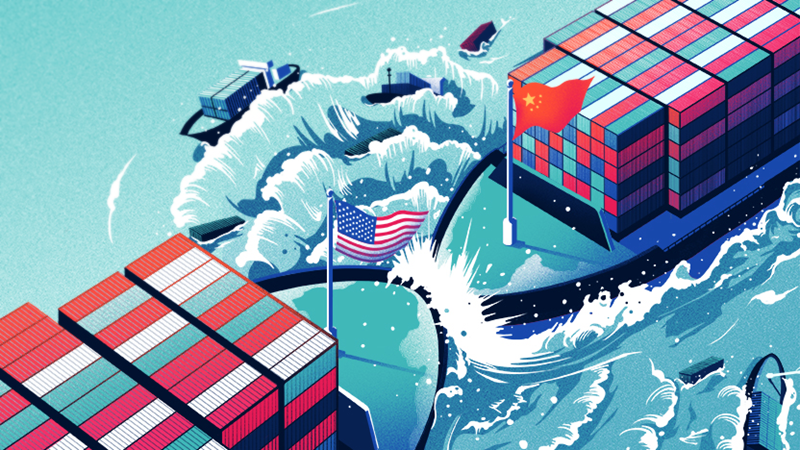
Mỹ nâng Tariff – Lợi & Hại?
By Le Hoang
/ 9. July 2025
Từ thời Trump đến Biden, rồi quay lại Trump, xu hướng nâng thuế nhập khẩu, đặc biệt với Trung Quốc...
Read More






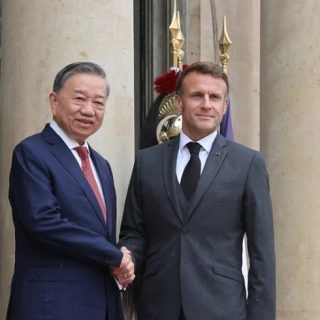
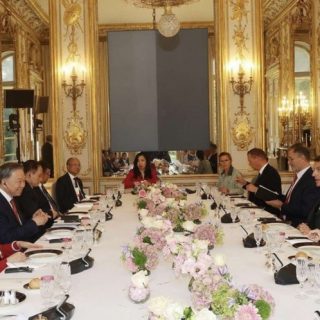
Party General Secretary and President To Lam and French President Emmanuel Macron announced the upgrade of relations between the two countries to a Comprehensive Strategic Partnership during their talks in Paris on Monday, making France the first country in the European Union to establish this partnership with Vietnam.

Both sides also aligned on major directions and measures to ensure this partnership deepens and becomes more practical, fitting the new context of Vietnam-France cooperation. The two leaders vowed to effectively implement existing cooperation agreements, soon hold the Vietnam-France Defence Strategy and Cooperation Dialogue, assist in the training of officers, share experiences in crime prevention and control, and support each other at global and regional security forums.
On economic and trade matters, they pledged to continue promoting concessional loans and Official Development Assistance (ODA) for Vietnam and encouraging businesses to fully realise the benefits of the EU-Vietnam Free Trade Agreement (EVFTA).
The Vietnamese leader urged France to expedite the ratification of the EU-Vietnam Investment Protection Agreement (EVIPA) and sought France’s support in advocating for the European Commission to lift the “yellow card” warning against Vietnamese seafood exports.
President Macron confirmed his commitment to recommending EVIPA ratification to the French Parliament promptly. He also praised Vietnam’s commitment to the Just Energy Transition Partnership (JETP) and green transition initiatives.
Both leaders agreed to strengthen joint work in areas of potential synergy and French expertise, including infrastructure, aerospace, sci-tech, renewable, and hydrogen energy.
President Macron welcomed Vietnam’s efforts in responding to climate change. Lam highly appreciated France’s leading role in the fight against climate change and expressed his hope that the two sides will continue to cooperate in developing ecosystem-based models on the basis of ensuring harmony of interests.
The French leader highly valued the role of the Vietnamese community in France as an important bridge between the two countries, and affirmed that he will continue to create favourable conditions for them to live and work in France.
Regarding the East Sea issue, both sides reaffirmed the importance of ensuring peace, stability, security, safety, freedom of navigation and aviation, and resolving disputes peacefully in accordance with international law, especially the 1982 United Nations Convention on the Law of the Sea (UNCLOS 1982)./.

Views: 1

Views: 0
Views: 0
Views: 0
Views: 0
Ship 251 of Brigade 127 under Naval Region 5 of the Vietnam People’s Navy successfully completed the 75th joint patrol with Ship 1141 of Ream Naval Base of the Royal Cambodian Navy in the waters between the two countries.
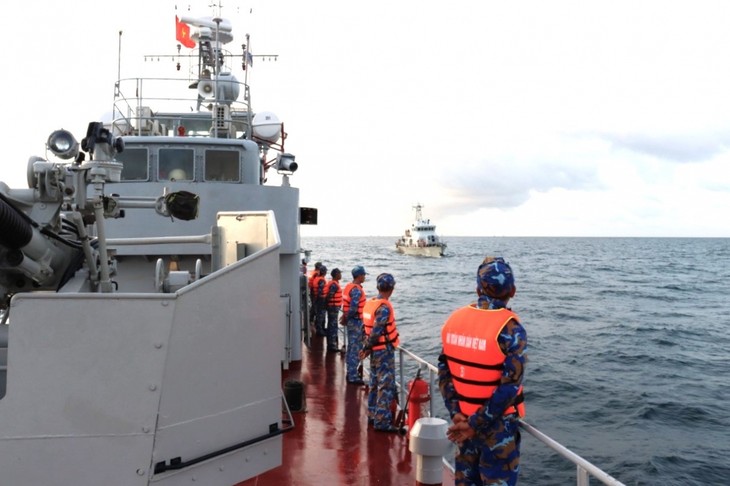
During the patrol last Saturday, both sides exchanged information, trained in flag signaling, practiced search and rescue operations, and the Code for Unplanned Encounters at Sea (CUES), which is used by the navies of Western Pacific countries.
Within the framework of the patrol, through communication channels, the naval forces of both countries also actively encouraged fishermen of the two sides to strictly adhere to laws and regulations while fishing, ensuring they do not violate the sovereignty of neighboring countries.
This patrol contributed to maintaining security, peace, and stability, thereby allowing citizens of both countries to conduct business in the shared waters. Additionally, it helped to strengthen the cooperative relationship, enhance mutual understanding, trust, and assistance between the two navies./.
BBT
Views: 0
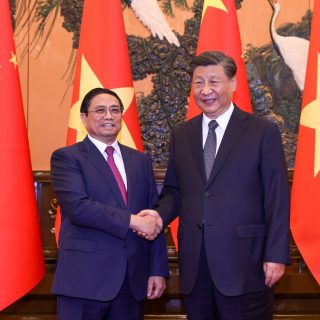
Minister of Foreign Affairs Bui Thanh Son has said Prime Minister Pham Minh Chinh’s recent trip to China is a success.
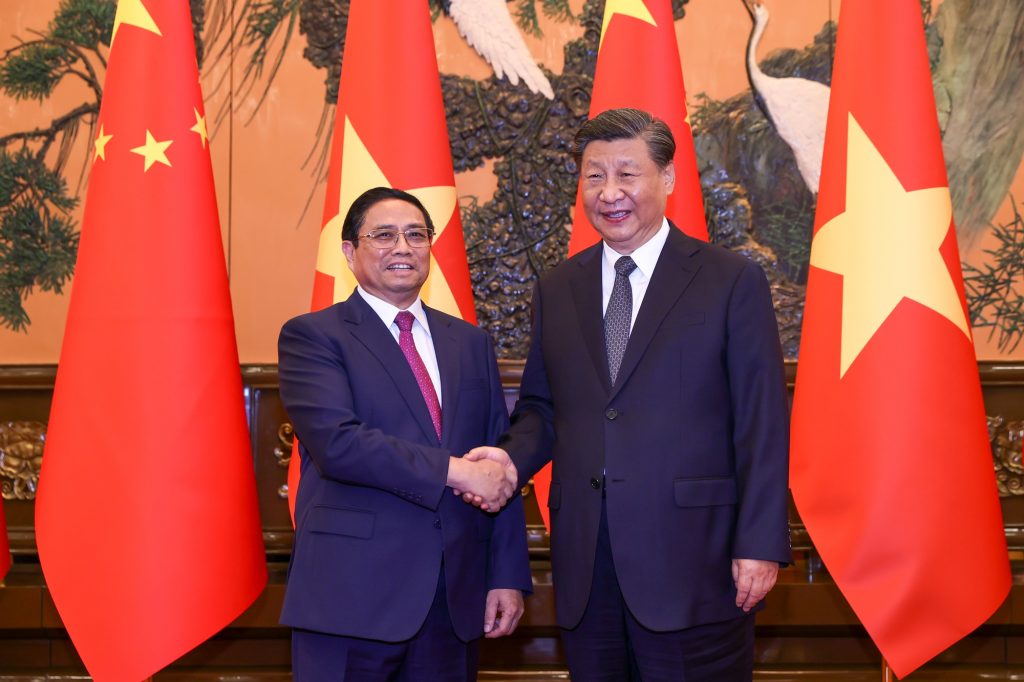
The PM made the trip to attend the 15th Annual Meeting of the New Champions of the World Economic Forum (WEF) in Dalian and pay a working visit to China from June 24-27.
Talking with the press, Son highlighted the trip’s significance in implementing Vietnam’s foreign policy as outlined at the 13th National Party Congress and Directive 25 on elevating multilateral diplomacy issued by the Party Central Committee’s Secretariat. It also served to realise the high-level common perceptions reached by Vietnamese and Chinese leaders in the spirit of comprehensive strategic cooperative partnership and building the Vietnam-China Community with a Shared Future that carries strategic significance.
He stressed that PM Chinh, as one of only two invited heads of state/government, played a key role at the WEF meeting. He and the Vietnamese delegation delivered impactful messages and joined discussions and meetings with various partners.
The PM’s keynote address resonated with an audience of 1,700 guests from 80 countries. He shared Vietnam’s inspiring story of Doi Moi (renewal), integration and development, solidifying Vietnam’s role and position on the international stage.
Advocating global cooperation to build trust, prioritise dialogue and adopt new approaches, he stressed the importance of promoting science and innovation to create new engines of growth, urging collaboration in policy frameworks, resource utilisation, and future workforce development.
Through open, sincere and insightful discussions with partners and businesses, the PM showcased Vietnam’s commitment to innovation and a pro-business environment. WEF Founder Klaus Schwab commended Vietnam’s dynamic economy which he said is a regional growth leader.
During talks and meetings with Chinese leaders, PM Chinh reiterated the importance of strengthening and developing friendly cooperation with China as an objective requirement, a strategic choice and a top priority in Vietnam’s foreign policy of independence, self-reliance, peace, cooperation and development, diversification and multilateralisation of external ties.
The host leaders reciprocated the sentiment, saying that they attach importance to relationship with Vietnam, considering it a priority in China’s overall neighbouring diplomacy policy.
Both sides agreed on directions and specific measures to intensify cooperation, while unceasingly working to solidify the strong social foundation for bilateral relations, upholding agreements and high-level shared perceptions, adhering to international law, and effectively and properly resolving disputes to prevent them from affecting the overall bilateral relations and contribute to global and regional peace and stability, concluded Foreign Minister Son./.
Views: 0
The 12th Ocean Dialogue, themed “Enduring Maritime Connectivity in a Fragmenting World”, took place in Ho Chi Minh City on March 15.
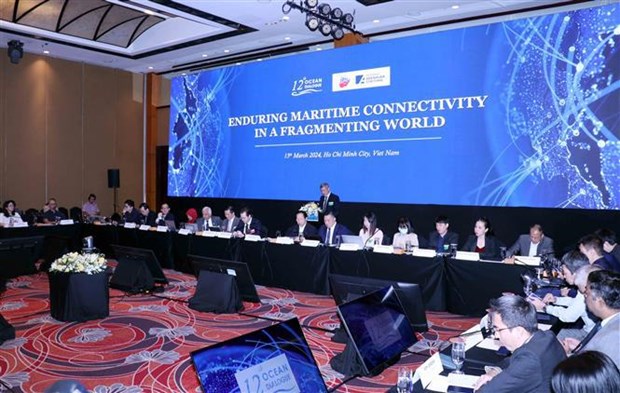
The 12th Ocean Dialogue, themed “Enduring Maritime Connectivity in a Fragmenting World”, took place in Ho Chi Minh City on March 15.
The event, held by the Diplomatic Academy of Vietnam and the Konrad Adenauer Stiftung foundation of Germany, drew officials of Vietnamese ministries and sectors, domestic and international experts, along with representatives of agencies, research institutes, foreign representative agencies, and some localities in the country,
In his opening remarks, Nguyen Minh Vu, Assistant to the Vietnamese Ministry of Foreign Affairs, underlined the importance of the Indo-Pacific, which boasts huge potential for maritime connectivity that promises strong economic growth.
He said as a trading country, Vietnam is strongly committed to navigation safety, navigation and overflight freedom, and unimpeded maritime connectivity in line with international law. Trade revenue makes up a sizeable proportion of the country’s gross domestic product (GDP), and any disruption to maritime trade will strongly impact its economy.
Vietnam views safeguarding safety, security, and freedom of navigation in line with international law as essential and important, he stated, noting that as a coastal country, it has built a strategy for sustainably developing the sea-based economy by 2030, with a vision to 2045, which lays a stress on maritime connectivity.
The prosperity of the Vietnamese economy now depends on the safety and security of navigation corridors. The country pledges to maintain rules-based order and believes that respecting the 1982 United Nations Convention on the Law of the Sea (UNCLOS) provides a foundation for ensuring peace, stability, and order at sea and is also the most appropriate way for resolving sea-related disputes, according to Vu.
The official went on to say that the dialogue’s tasks include looking into all aspects of maritime connectivity, pointing out challenges and barriers, and working out innovative ideas and feasible proposals to ensure seas and oceans are always physically, procedurally, digitally, and culturally open, stable, and sustainable.
He said countries are facing big challenges to the conservation and proper utilisation of maritime resources and potential, but thanks to dialogue and cooperation, they can create a path to a sustainable and prosperous maritime ecosystem for all.
The 12th Ocean Dialogue consists of four panel discussions on the connection of key sea routes to ensure global supply chains, sustainable smart seaports as an irreversible trend in the blue economy, maritime infrastructure connectivity in the digital era, and the connection of the green corridor network at sea./.
Views: 0
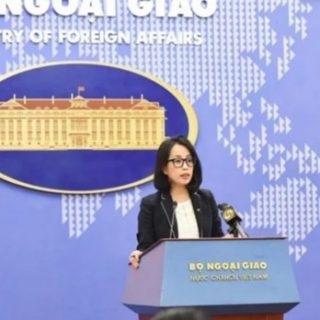
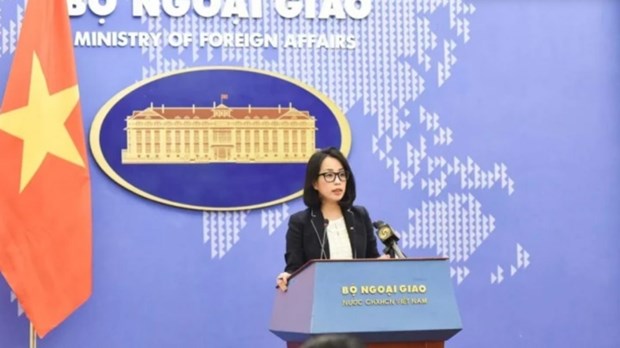
Vietnam requests that China respect and comply with the Agreement on the delimitation of the territorial sea, exclusive economic zones and continental shelf between the two countries in the Tonkin Gulf signed in 2000, and the 1982 United Nations Convention on the Law of the Sea (UNCLOS), said Foreign Ministry’s spokeswoman Pham Thu Hang.
Vietnam requests that China respect and comply with the Agreement on the delimitation of the territorial sea, exclusive economic zones and continental shelf between the two countries in the Tonkin Gulf signed in 2000, and the 1982 United Nations Convention on the Law of the Sea (UNCLOS), said Foreign Ministry’s spokeswoman Pham Thu Hang.
The spokeswoman made the statement at the ministry’s regular press conference in Hanoi on March 14 in response to reporters’ question regarding China’s recent declaration of the straight baselines in the Gulf of Tonkin.
Hang noted that Vietnam and China are the two countries bordering the Gulf of Tonkin. On December 25, 2000, they signed the Vietnam-China Agreement on the delimitation of the territorial sea, exclusive economic zones and continental shelf, also known as the Vietnam-China Boundary Delimitation Agreement in the Gulf of Tonkin, which took effect on June 30, 2004. This agreement delineates the maritime boundaries, exclusive economic zones, and continental shelves of each country within the Gulf.
Vietnam holds that coastal states must comply with the 1982 UNCLOS when determining the baseline used to measure the breadth of the territorial sea, ensuring that such actions do not affect the legitimate rights and interests of other countries, including the right to navigation freedom, the right to transit passage through straits used for international navigation, as guaranteed by the 1982 UNCLOS, Hang said.
Vietnam has and will continue exchanging viewpoints with China regarding this issue in the spirit of friendship, mutual understanding and respect, she said, adding that Vietnam reserves its legal rights and interests under international law as well as the view expressed in the Vietnamese Government’s Declaration on June 6, 1996 concerning the Chinese Government’s Declaration on May 15, 1996 on the baseline used to measure the breadth of the territorial sea of China.
Hang stressed that like all other relationships, the differences in the relationship between countries, in this case Vietnam and China, should always be discussed by the two involved countries./.VNA
Views: 0

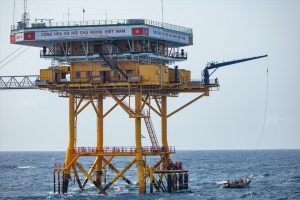
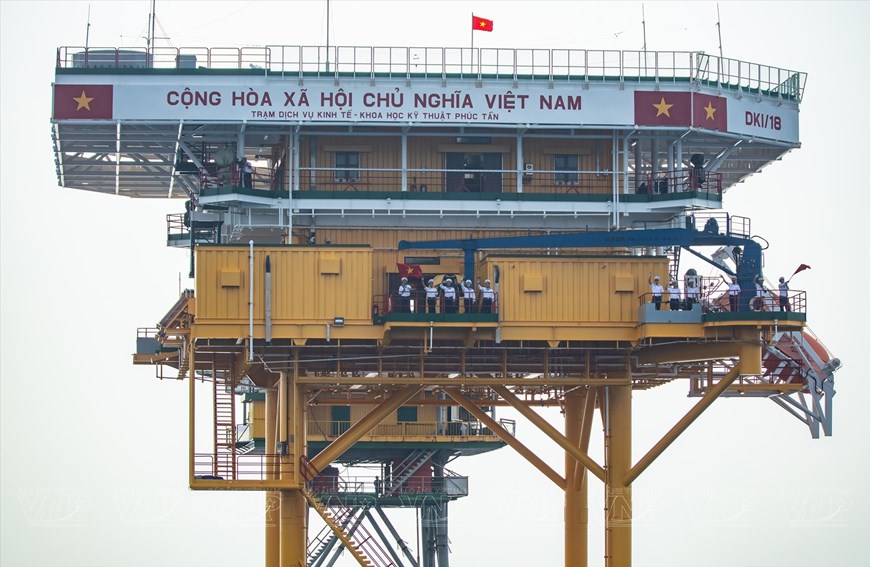
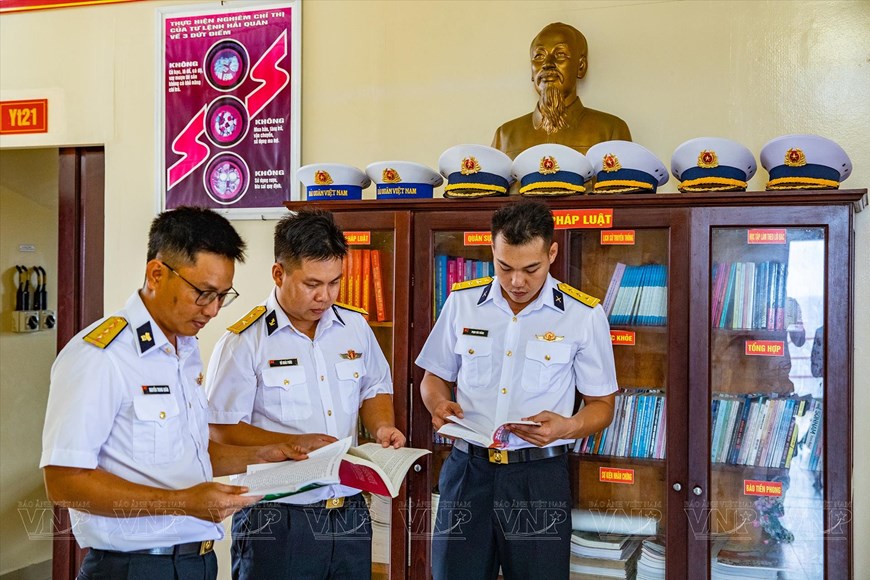
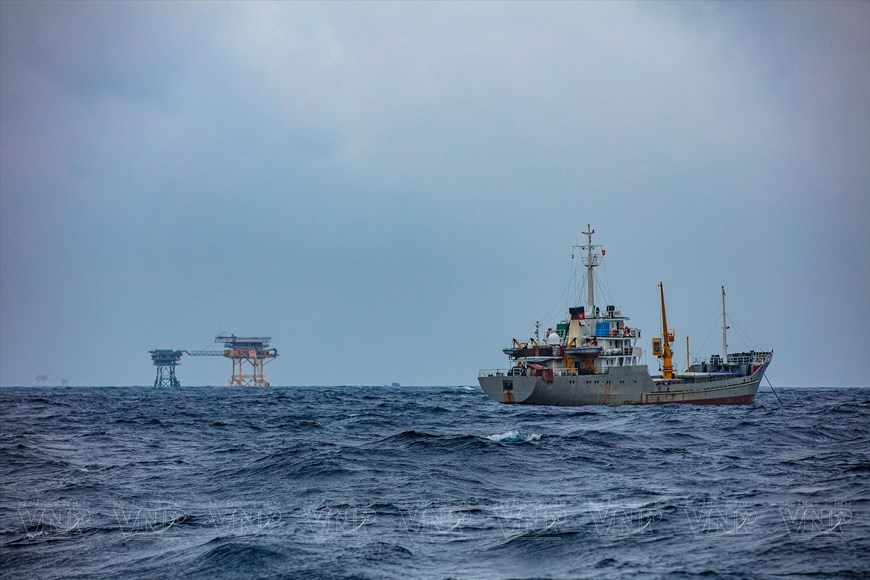
The DK1 platform, which are clusters of Vietnamese economic and technical services built on its southern continental shelf, have been standing firm on the wave front for the past 35 years, thanks to the dedicated efforts of officials and soldiers protecting the country’s national sovereignty over seas and islands.
Views: 0

Members of the Association of Southeast Asian Nations have a common approach on matters relating to the East Sea, Secretary-General Dr. Kao Kim Hourn has said in an exclusive interview to Indian news agency ANI on February 14.
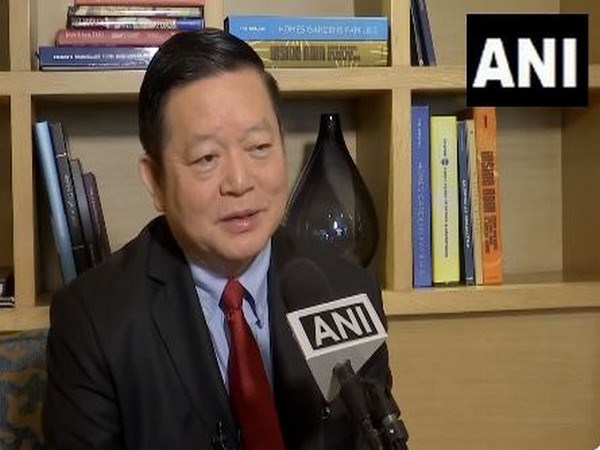
Members of the Association of Southeast Asian Nations have a common approach on matters relating to the East Sea, Secretary-General Dr. Kao Kim Hourn has said in an exclusive interview to Indian news agency ANI on February 14.
The official, who is in India on an official visit, touched upon ongoing negotiations for a code of conduct in the waters. He said ASEAN is looking at how to manage the East Sea situation.
“There is unity among ASEAN nations. We are negotiating with China on the Code of Conduct. It is just the process may take some time,” Dr Kao Kim Hourn said as quoted by ANI.
Member countries have a common voice and are working on the basis of the United Nations Convention on the Law of the Sea (UNCLOS 1982), he said./.
Views: 0

The UK’s magazine The Banker has run an article highlighting optimistic opinions of experts on Vietnam’s economic outlook in 2024.
Vietnam saw gross domestic product growth of 5.1% in 2023, which is forecast to rise 6–6.5% in 2024, making Vietnam one of the strongest growth environments in Southeast Asia, the article noted.
The article quoted Khanh Vu, Deputy Managing Director at VinaCapital Fund Management as saying that the pick-up in GDP growth will be driven by rising exports and manufacturing, tourism, and a modest recovery in domestic consumption and consumer sentiment. Economic growth has also been supported by a favourable interest rate environment, he added.
Helmi Arman, economist at Citi, a US-based financial service company, said that after a freeze in early 2023, activity in the real estate sector has picked up in the second half of the year. The government is pushing through structural reforms that lay the foundation for a more sustainable recovery in the real estate sector.
The article underlined that for international investors, Vietnam’s manufacturing sector remains the most appealing, specifically in the smartphone supply chain and for consumer electronics. For domestic investors, garment, footwear, and furniture exports are gaining the most interest.
Both Vu and Kenglin Tan, senior portfolio manager, equities at Manulife Investment Management, showed optimism about Vietnam’s export prospects thanks to signs of stabilisation.
There was some trepidation that Vietnam’s decision to implement the global minimum tax rate would impact investment flows, but this has not transpired, Tan said, adding that from a foreign investor perspective, whether they invest in Vietnam or other countries in the agreement like Mexico or Thailand, they are impacted by the same policy. It can be seen from FDI flows in December 2023 after the policy was announced, that investors have not been deterred at all, she underscored.
There has also been a surge in interest in the FDI space. Vu noted that the Republic of Korea has pledged its support in investing in Vietnam, stating plans to exceed 100 billion USD in total investment by 2025. To date, the country has invested 84 billion USD into Vietnam. The focus is on manufacturing, with 62 billion USD invested into more than 4,600 projects, with large manufacturers including Samsung, LG and SK. A major project benefiting from FDI support is Long Thanh International Airport, being constructed close to Ho Chi Minh City, the expert stated, underlining that FDI support for the project has come from the US, Japan, France, Turkey, and the Netherlands.
To further extend the potential for international investment, Vietnam is opening up its stock market settlements by allowing domestic brokers to vouch for foreign investors, enabling them to purchase shares. Arman says allowing greater levels of foreign ownership could mitigate against future shocks.
In the field of tourism, the experts noted that the sector is at 70% of pre-COVID-19 levels, but domestic tourism is booming. Chinese tourists were 30% of their pre-COVID-19 levels last year.
The article cited a report from data company Vietnam Report JSC finding 66% of respondents in the tourism and hotel sector expressing confidence for 2024. Of the respondents, 93% stated the new visa rules would be a lever for the country’s tourism growth trajectory, according to the report./.
Views: 0
Prime Minister Pham Minh Chinh held talks with his Hungarian counterpart Viktor Orban in Budapest on January 18 afternoon (local time) as part of his official visit to the European nation from January 18-20.
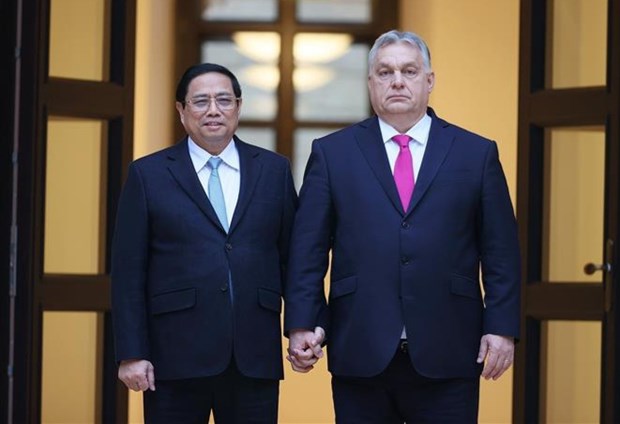
Prime Minister Pham Minh Chinh held talks with his Hungarian counterpart Viktor Orban in Budapest on January 18 afternoon (local time) as part of his official visit to the European nation from January 18-20.
The Hungarian PM underlined the significance of the Vietnamese PM’s visit in the context that the two countries have marked five years of the comprehensive partnership (2018-2023) and are looking towards the 75th anniversary of their diplomatic ties (1950-2025).
PM Orban affirmed that Vietnam is always Hungary’s partner of leading importance in Southeast Asia and believed that the visit would contribute to deepening the two countries’ relations.
PM Chinh expressed his joy with Hungary’s socio-economic achievements and believed in the country’s further development in the near future.
He affirmed that Vietnam always treasures and wishes to intensify cooperation with Hungary – its first comprehensive partner in Central and Eastern Europe.
The Vietnamese Government leader took the occasion to thank the government and people of Hungary for their valuable assistance to Vietnam in the past struggle for national independence and reunification as well as the present national construction and development, most recently the provision of hundreds of thousands of doses of vaccines and medical equipment for Vietnam at a time when the COVID-19 pandemic was developing complicatedly.
The two PMs discussed major orientations and specific measures to elevate the Vietnam-Hungary comprehensive partnership to a new height.
On politic-diplomatic cooperation, the two sides agreed to increase contacts and delegation exchanges at all levels through Party, State, Government, parliament and people-to-people channels to strengthen political trust and mutual understanding, creating a foundation to promote and expand bilateral cooperation in all fields.
Regarding economic-trade-investment collaboration, they agreed that this is an important pillar in the bilateral relations, while affirming the need to further promote existing cooperation mechanisms, including the early organisation of the 10th meeting of the joint committee on economic cooperation between Vietnam and Hungary. They encouraged agencies and businesses of both sides to continue fully, effectively implement the European Union – Vietnam Free Trade Agreement (EVFTA).
Chinh suggested Hungary create favourable conditions for more Vietnamese goods to Hungary, especially agro-forestry-fishery products, while affirming Vietnam stands ready to serve as a gateway for Hungarian commodities to access the Vietnamese and ASEAN markets.
He also thanked Hungary for its support to Vietnam in the negotiation and signing of the EVFTA and being the first EU member to ratify the EU – Vietnam Investment Protection Agreement (EVIPA)
Orban affirmed that Hungary, as President of the EU for the last six months of 2024, will promote the remaining countries to ratify the agreement.
Chinh proposed the European Commission (EC) soon remove the “yellow card” warning for Vietnam’s seafood.
Orban said Vietnam is one of Hungary’s most promising markets in the Asia-Pacific region and many Hungarian businesses are interested in expanding investment and business in the Southeast Asian nation. He welcomed the two sides’ organisation of a Vietnam-Hungary business forum during Chinh’s visit, offering opportunities for the direct exchange and connection of both countries’ firms. He vowed to create favourable conditions for Vietnamese enterprises to invest in Hungary in such potential areas as information technology and auto industry.
On education and training, the two sides welcomed recent positive outcomes. Chinh thanked the Hungarian government for its provision of 200 scholarships for Vietnamese students every year. Both sides also welcomed the direct, closely and effective cooperation mechanism between the two countries’ universities, reflected via a series of memoranda of understanding (MoU) signed by Vietnamese and Hungarian training establishments during the visit.
In addition, the two sides concurred to enhance cooperation in other traditional areas such as culture – sports – tourism, labour, science-technology, environment, agriculture and water management, while striving to expand collaboration in new fields such as circular economy, innovation, green finance, renewable energy and digital transformation.
PM Orban spoke highly of the role of the Vietnamese community in Hungary. PM Chinh proposed the Hungarian government continue creating favourable conditions for the Vietnamese expats to deeply integrate into local society, thus contributing to promoting traditional friendship between the two countries in all fields.
Discussing international and regional issues of shared concern, the two PMs affirmed to support resolving disputes by peaceful measures, in line with international law and the United Nations Charter, including not using force or threatening to use force; and ensuring peace, stability and development in the region and the world.
Following the talks, PMs Chinh and Orban witnessed the signing and hand-over of cooperation documents between the countries’ ministries, sectors, and agencies, including an agreement between the two governments on cooperation in combating organised transnational crimes, a memorandum of understanding on cooperation between the Vietnamese Ministry of Foreign Affairs and the Hungarian Ministry of Foreign Affairs and Trade, and a cultural cooperation programme between the Vietnamese Ministry of Culture, Sports and Tourism and the Hungarian Ministry of Culture and Innovation for the 2024 – 2026 period.
After that, the two PMs co-chaired a press conference announcing the outcomes of their talks.
PM Orban told the media that amid the world situation’s volatility, Hungary has recently implemented a Look East policy that considers the cooperation with Vietnam, an emerging country with a growing role in the region and the world, as critically important.
Since the two countries share many similarities in terms of history, culture, and geopolitical positions in the international arena, they agreed to further enhance cooperation in all spheres, including making use of the EVFTA and EVIPA and boosting ties in education, training, science, technology, and tourism, he said.
Orban added that having undergone many wars, both countries have a common viewpoint about peace, so they will support each other at regional and international forums and attach importance to peace, stability, cooperation, and development.
PM Chinh highlighted Vietnam’s foreign policy of independence, self-reliance, diversification and multilateralisation of external relations, being a good friend, trustworthy partner, and responsible member of the international community, and following the “bamboo” diplomatic style. In its foreign policy, Vietnam treasures the traditional relations with Hungary, the only in Central and Eastern Europe to have a comprehensive partnership with it.
During the talks, the two sides expressed their wish to promote cooperation in all fields, agreeing to increase mutual visits at all levels and supporting each other at multilateral forums, including setting up a mechanism for bilateral interactions when they attend multilateral activities, the Vietnamese Government leader noted.
He said that he also called on Hungary to soon recognise the Vietnamese community in Hungary as an ethnic minority so that they can benefit from policies as equally as other ethnic groups of Hungary.
PM Chinh added he called on Hungary to support ASEAN’s stance on and centrality in the East Sea issue, which are peacefully resolving disputes in line with international law, especially the 1982 UN Convention on the Law of the Sea (UNCLOS); ensuring security, safety, and freedom of navigation and overflight in the East Sea; and supporting the effective implementation of the Declaration on the Conduct of Parties in the East Sea (DOC) and the negotiation on a substantive and effective code of conduct in the waters (COC)./.
Views: 0

The Association of Southeast Asian Nations (ASEAN) Foreign Ministers on December 30 issued a statement on maintaining and promoting stability in the maritime sphere in Southeast Asia.
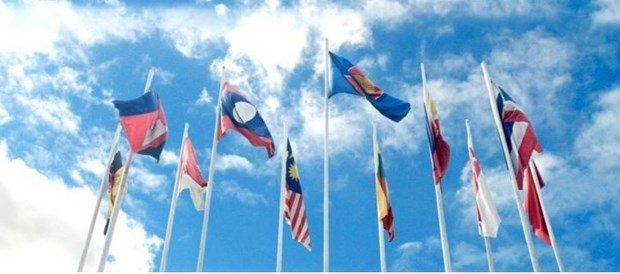
The Association of Southeast Asian Nations (ASEAN) Foreign Ministers on December 30 issued a statement on maintaining and promoting stability in the maritime sphere in Southeast Asia.
In the statement, the ministers said they closely follow with concern the recent developments in the East Sea and reaffirmed the importance of maintaining and promoting peace, safety, security, stability, and freedom of navigation in and overflight above the maritime sphere of Southeast Asia, particularly the East Sea.
“We also reaffirm the need to restore and enhance mutual trust and confidence as well as exercise self-restraint in the conduct of activities that would complicate or escalate disputes and affect peace and stability, avoid actions that may further complicate the situation and pursue peaceful resolution of disputes in accordance with the universally recognised principles of international law, including the 1982 UNCLOS,” wrote the statement.
The FMs underscored the importance of the full and effective implementation of the Declaration on the Conduct of Parties in the East Sea (DOC) in its entirety and committed to working towards the early conclusion of an effective and substantive Code of Conduct in the East Sea (COC) that is in accordance with international law, including the 1982 UNCLOS.
They also reiterated the importance of peaceful dialogue that contributes constructively to the promotion of regional stability and cooperation in the maritime domain. Welcoming the recent holding of a maritime dialogue between China and the US in Beijing and the meeting between US President Joe Biden and Chinese President Xi Jinping on the margins of the APEC Leaders’ Meeting in California, they hoped that such dialogues will continue to further ASEAN’s efforts to strengthen stability and cooperation in the region’s maritime sphere.
This is the 5th time ASEAN has issued a statement on maritime issues since 1995, with the most recent statement on the East Sea released in 2014.
Asked about the significance of the statement, spokeswoman for the Foreign Ministry Pham Thu Hang said at the ministry’s regular press briefing on January 11 that it demonstrates the solidarity, unified voice, central role, and determination of ASEAN in safeguarding peace and stability and in building maritime spaces including the East Sea into a space of cooperation and development. The statement also reaffirms the regional bloc’s stance and principle on trust building, self-restraint, and peaceful settlement of disputes on the basis of international law and the 1982 United Nations Convention on the Law of the Sea.
The spokesperson added that it also conveys the message of ASEAN wishing partners to support and contribute to the realisation of this vision.
As an active and responsible member of ASEAN, Vietnam is ready to work with ASEAN member states and other partners in this effort, Hang said./.
Views: 0
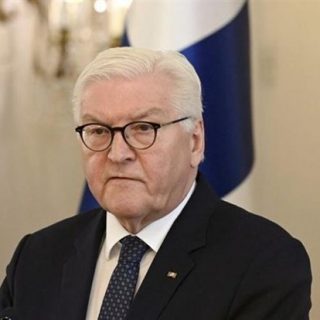
German President Frank-Walter Steinmeier and his spouse will pay a State visit to Vietnam from January 23-24, the Vietnamese Ministry of Foreign Affairs has announced.
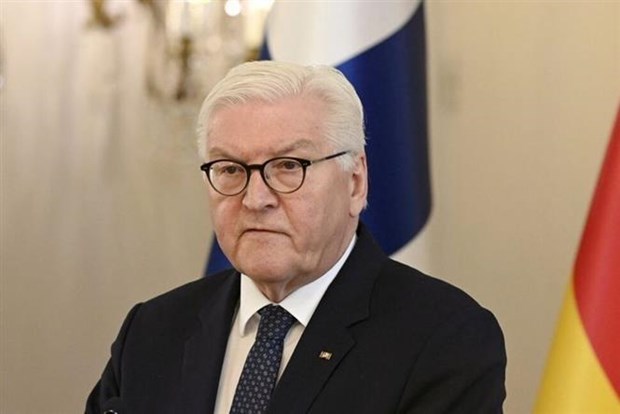
German President Frank-Walter Steinmeier and his spouse will pay a State visit to Vietnam from January 23-24, the Vietnamese Ministry of Foreign Affairs has announced.
The visit will be made at the invitation of President Vo Van Thuong and his spouse.
The visit takes place at a time when the Vietnam-Germany strategic partnership has developed positively in many fields in recent times.
This is the second time Steinmeier has visited Vietnam, following the first in October 2016 when he was Foreign Minister of Germany.
Vietnam and Germany established diplomatic relations on September 23, 1975, and bilateral relations have since developed positively and comprehensively.
During a Vietnam visit in October 2011 by German Chancellor Angela Merkel, the two countries established the strategic partnership.
Views: 0

China and the United States exchanged accusations at the weekend over the disputed South China Sea, after China’s military said it had driven away a U.S. warship that the U.S. Navy said was on a routine freedom of navigation operation.
The U.S. Navy said on Sunday that the Hopper had “asserted navigational rights in the South China Sea near the Paracel Islands, consistent with international law”. According to the Chinese People’s Liberation Army Southern Theatre Command on Saturday, the Chinese military deployed its naval and air forces to “track, monitor and warn away” the U.S. destroyer.
China claims almost the entire South China Sea, a conduit for more than $3 trillion of annual ship-borne commerce, including parts claimed by the Philippines, Vietnam, Indonesia, Malaysia and Brunei. The Permanent Court of Arbitration in 2016 said China’s claims had no legal basis.
Lieutenant Kristina Weidemann, deputy spokesperson for the U.S. 7th Fleet, said in an emailed statement: “The United States challenges excessive maritime claims around the world regardless of the identity of the claimant.
Meanwhile, the Philippines and Australia began their first joint sea and air patrols in the sea on Saturday, days after Beijing accused Manila of enlisting foreign forces to patrol the South China Sea, referring to joint patrols by the Philippine and U.S. militaries.
Liu Jianchao, the Chinese Communist Party’s international minister, gave a warning to Australia while speaking at a Sydney university during a trip that paves the way for President Xi Jinping’s Australian visit, expected to take place next year.
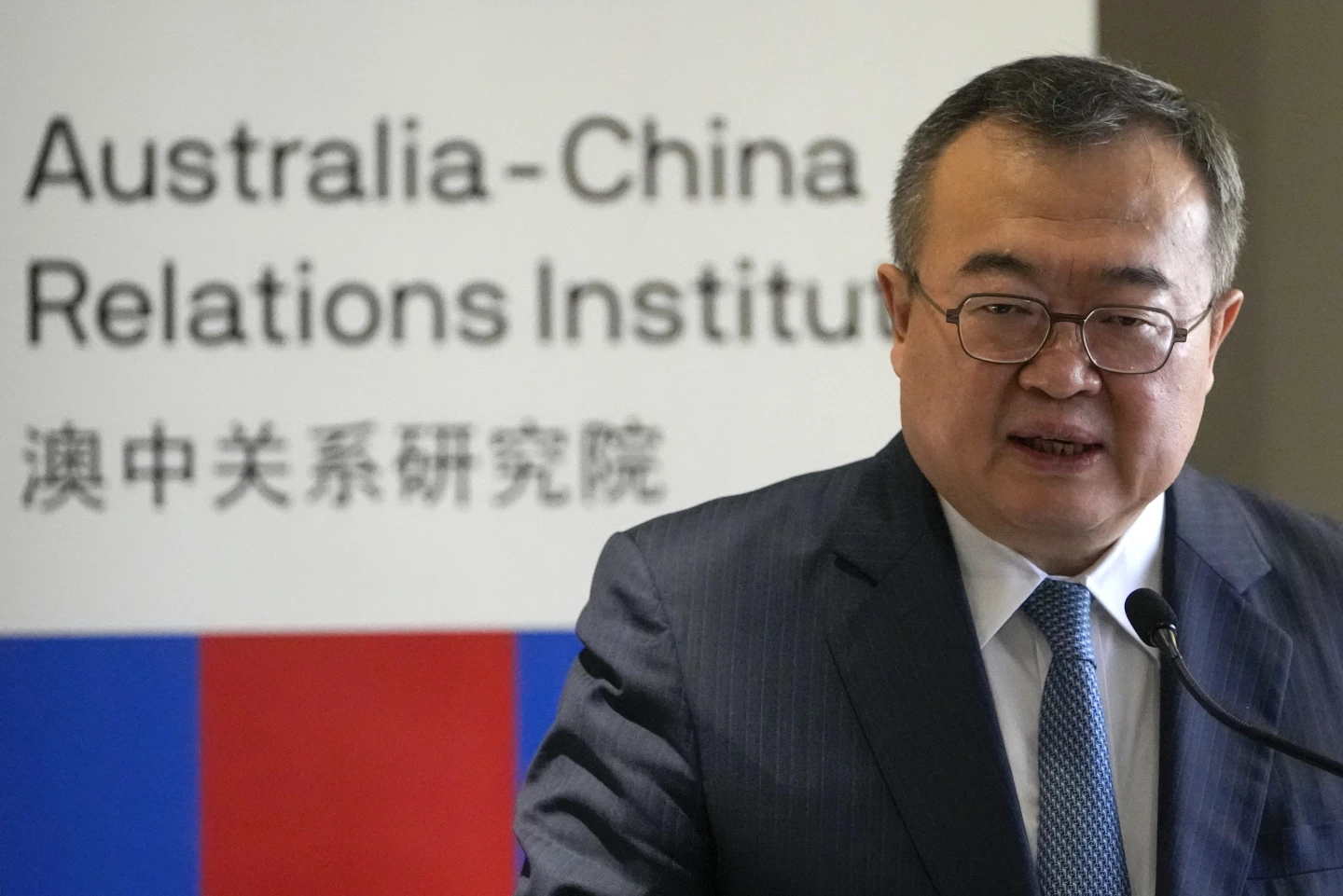
Liu Jianchao, the Chinese Communist Party’s international minister
Bilateral relations had been improving recently, but took a downturn when Australia accused the Chinese destroyer CNS Ningbo of injuring Australian navy divers with sonar pulses in Japanese waters on Nov. 14. Australia said China disregarded a safety warning to keep away from the Australian frigate HMAS Toowoomba.
Views: 0
Japanese Prime Minister Fumio Kishida and Vietnamese President Vo Van Thuong agreed Monday to work more closely on security, possibly involving Tokyo’s new defense aid program, as Hanoi grows more concerned about China’s maritime military buildup.
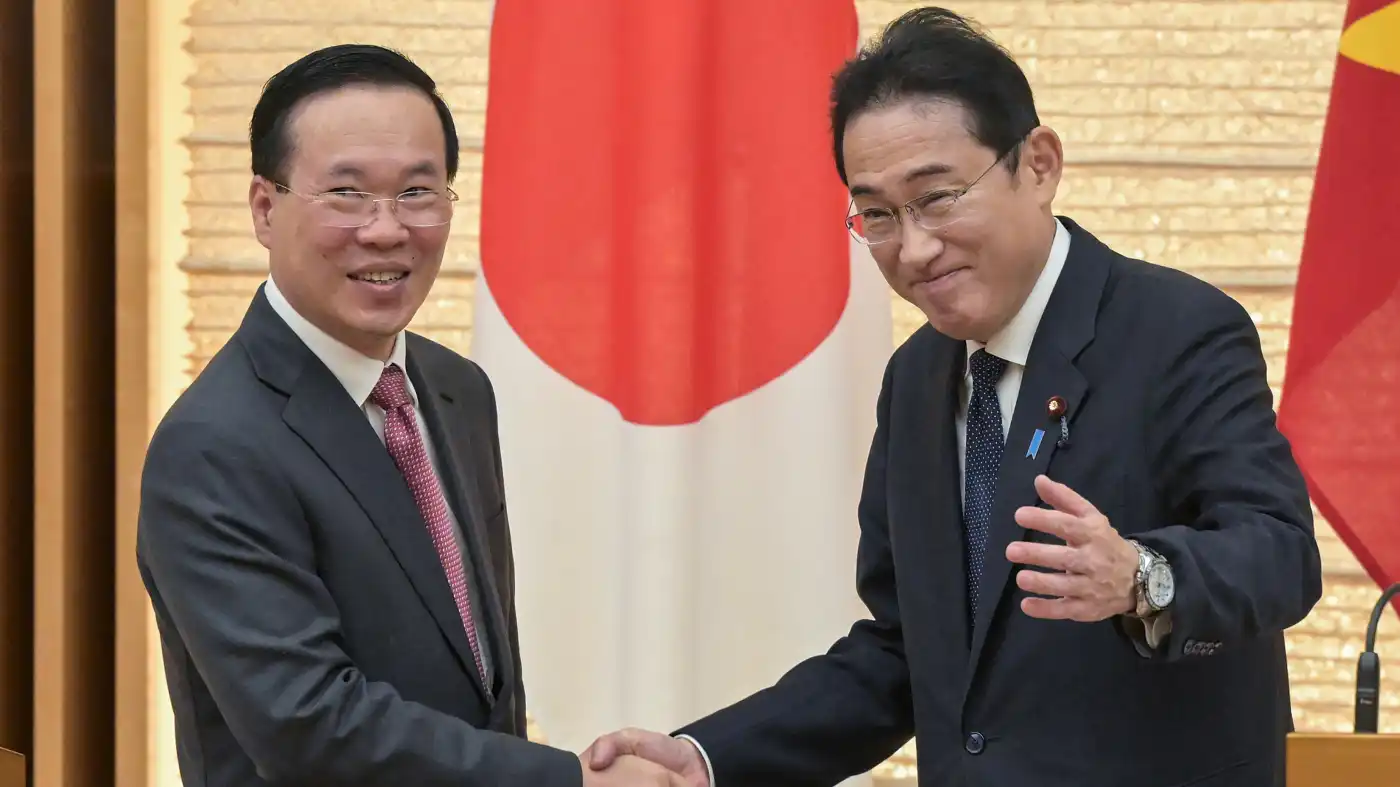
The two sides said they will increase defense-related exchanges and discuss cooperation via Tokyo’s Official Security Assistance program, through which Japan gives defense equipment to countries with shared values.
The summit in Tokyo — Thuong’s first visit to Japan since taking office this year — came as Japan marks its 50th anniversary of formal diplomatic relations with Vietnam and with the Association of Southeast Asian Nations.
Vietnam, which sits in a key position on a sea lane between the Pacific and Indian oceans, is locked in a territorial dispute with China in the South China Sea, where Beijing has been expanding its military presence, straining the neighbors’ close relationship.
Stability in that region is important to Japan, which relies on imported resources such as oil and natural gas. Kishida stressed in the joint statement that Vietnam and ASEAN are “important partners for Japan to realize a Free and Open Indo-Pacific.”
Japan’s OSA program, a central element of the support discussion, was launched just this year, with the Philippines, Malaysia, Bangladesh and Fiji chosen as the four recipients for the first year.
Kishida visited the Philippines and Malaysia in early November to prepare for a commemorative Japan-ASEAN summit that Tokyo is slated to host in December. Japan agreed to supply coastal radar systems to Manila and continue discussions with Kuala Lumpur on providing equipment.
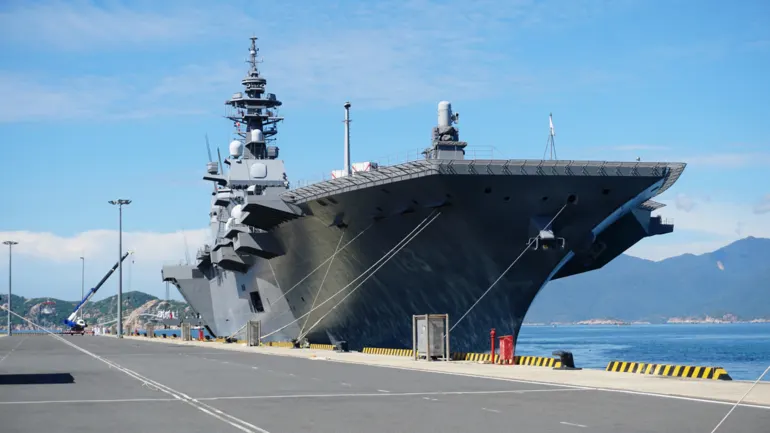
Tokyo and Hanoi eye deeper cooperation beyond the OSA framework. The JS Izumo helicopter carrier — the largest ship in Japan’s Maritime Self-Defense Force fleet — docked at the Vietnamese port of Cam Ranh in June. Kishida and Thuong agreed to build on this foundation to expand joint training, and to promote information sharing between their respective coast guards.
Vietnam is working to move closer to Japan as well. Thuong and Kishida agreed Monday to upgrade the bilateral relationship to a comprehensive strategic partnership, Vietnam’s highest level of diplomatic relations.
Japan becomes Vietnam’s sixth such partner after China, Russia, India, South Korea and the U.S. Washington just joined the list in September during a visit by President Joe Biden to Hanoi.
Chinese President Xi Jinping, meanwhile, told Thuong in an October meeting not to forget the “original aspiration of carrying forward traditional friendship” between China and Vietnam.
Vietnam, like China, is a one-party state under Communist Party rule. China is also inextricably linked to Vietnam economically, accounting for 24% of Hanoi’s total trade last year, above the ASEAN average of 19%.
But Beijing also poses a security threat to Hanoi with the countries’ dispute over territorial claims in the South China Sea. This has set Vietnam apart from neighboring Cambodia and Laos, which are drawing closer to China with Beijing’s Belt and Road infrastructure initiative.
Though Vietnam has tried to keep all its diplomatic bases covered, including China, Beijing’s maritime militarization — including the construction of artificial islands — has spurred Hanoi to place more weight on its relationships with Tokyo and Washington.
Views: 0

Views: 0

The US, Russia, and China stand first among the top 10 militaries in the world, according to Global Firepower’s 2023 military power rankings.
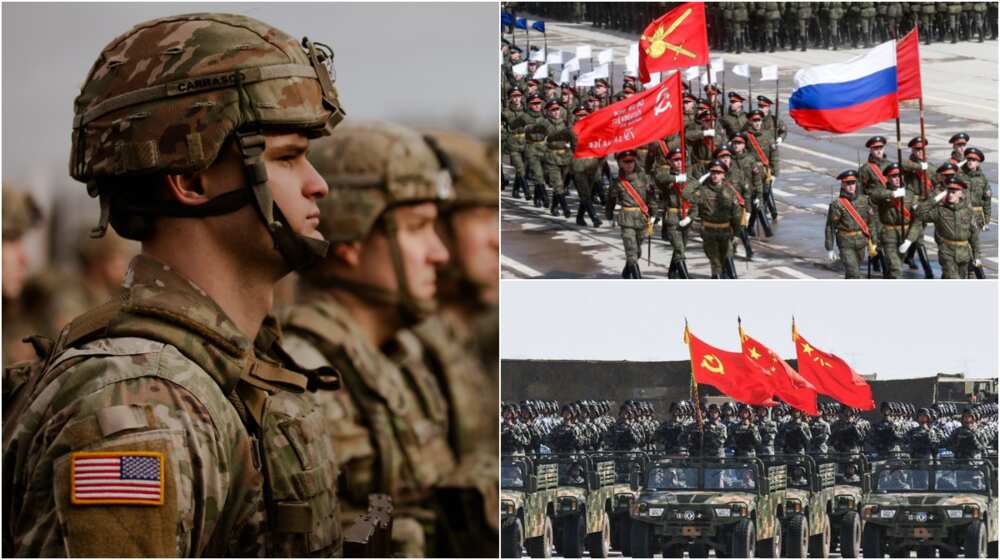
The evaluation is based on a broad range of factors, including quantity and variety of weapons, natural resources, industrial capacity, workforce, financial stability, logistics, and geographical considerations. A total of 60 different indicators were used to calculate the score. For the 2023 Global Firepower Index, 145 nations were evaluated.
The United States led the ranking of countries with the highest military spending in 2022, with 877 billion USD dedicated to the military. To maintain its leading position, the US must excel in key material, financial, and resource categories. The US also leads globally in technological advancements, excelling in the medical, aerospace, and computer/telecom sectors. The US owns 13,300 aircraft and its military currently numbers 1,832,000 personnel.
Russia is second in military spending at 864 billion USD. Russia’s military numbers 1,330,900 personnel. Russia has advanced technology, a well-trained military force, and strategic global influence.
China stands third with military spending of 292 billion USD. China has 3,135,000 soldiers, 3,166 aircraft, and 4,950 tanks.
The other countries on the top ten list are India, the UK, South Korea, Pakistan, Japan, France, and Italy./.
Views: 0

The Ministry of Foreign Affairs on November 9 coordinated with the embassies of Canada, Australia, New Zealand, and the EU to organise the 5th ASEAN Regional Forum (ARF) Workshop on Implementing UNCLOS and other International Instruments to Address Emerging Maritime Issues in Hanoi.
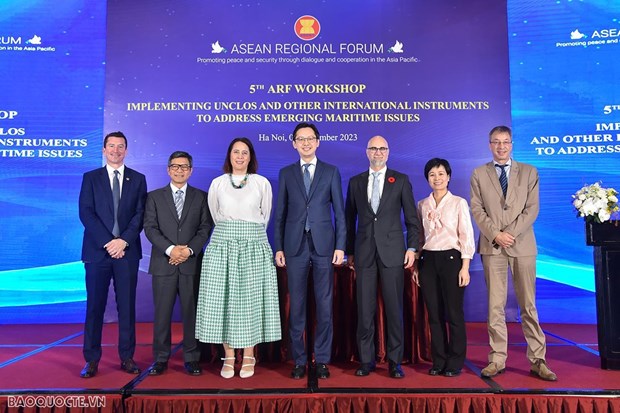
The Ministry of Foreign Affairs on November 9 coordinated with the embassies of Canada, Australia, New Zealand, and the EU to organise the 5th ASEAN Regional Forum (ARF) Workshop on Implementing UNCLOS and other International Instruments to Address Emerging Maritime Issues in Hanoi.
The event in hybrid format attracted about 150 delegates from 27 ARF member countries, international and regional organisations, diplomatic representative agencies, research institutes, experts, reputable scholars, and ministries and branches.
At the event, participants discussed ways to cooperate and solve challenges in marine management in the region, based on the application and implementation of the 1982 United Nations Convention on the Law of the Sea (UNCLOS) and relevant international legal documents.
In his opening remarks, Deputy Foreign Minister Do Hung Viet affirmed the extremely important role of UNCLOS 1982 – the constitution of the seas and oceans – in the context that the world and the region are facing more and more challenges.
He said that territorial disputes, strategic competition, on-site tensions as well as climate change, sea level rise, and unsustainable marine exploitation have posed many risks to the East Sea – the waters with strategic and economic significance – that threaten peace, security, and stability, particularly maritime security and safety of the region.
He said the UNCLOS continues to demonstrate its irreplaceable role in solving issues and disputes at sea, serving as a solid foundation for continuing to develop an international legal framework to address emerging challenges.
Viet held that more than ever, countries can only find solutions to maritime problems in the region through promoting cooperation, and by fully respecting and implementing UNCLOS.
Co-chairing the workshop, Canadian Ambassador Shawn Steil, Australian Deputy Ambassador Mark Tattersall, New Zealand Ambassador Tredene Dobson, and Deputy Head of the EU Delegation to Vietnam all emphasised the important role and value of the UNCLOS.
At the workshop, participants discussed the regulation scale of the UNCLOS 1982 and relevant legal documents, conventional and emerging challenges in implementing the UNCLOS 1982./.VNA
Views: 0