Mỹ nâng Tariff – Lợi & Hại?
By Le Hoang
/ 9. July 2025
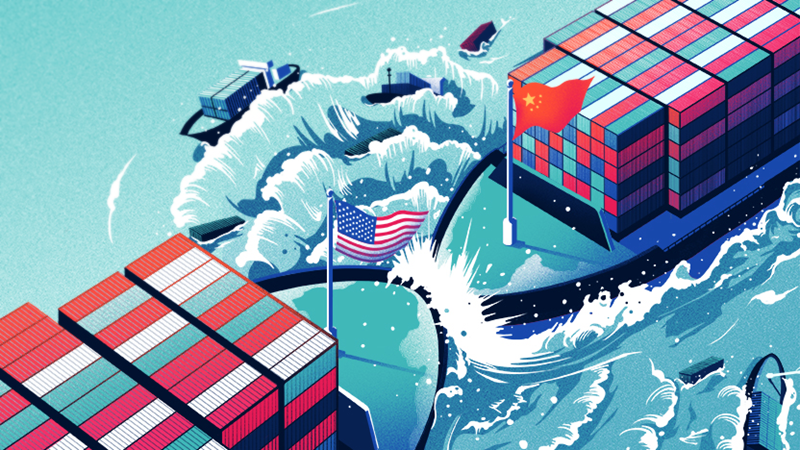
Từ thời Trump đến Biden, rồi quay lại Trump, xu hướng nâng thuế nhập khẩu, đặc biệt với Trung Quốc...
Read More







Views: 0

Dutch Prime Minister Mark Rutte visited the Diplomatic Academy of Vietnam (DAV) and delivered a speech at a round-table conference on “International Law and Order at Sea” co-hosted by the DAV and the Clingendael Institute of the Netherlands in Hanoi on November 2.
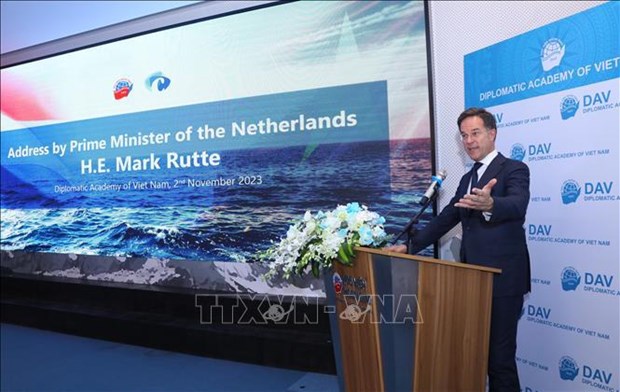
Dutch Prime Minister Mark Rutte visited the Diplomatic Academy of Vietnam (DAV) and delivered a speech at a roundtable on “International Law and Order at Sea” co-hosted by the DAV and the Clingendael Institute of the Netherlands in Hanoi on November 2.
PM Rutte also presented certificates to students of the second Law of the Sea course co-hosted by the DAV and the Clingendael Institute from October 30 to November 2, as part of the “Train the Trainers” programme to improve diplomatic capabilities between the two sides.
In his speech, PM Rutte underscored the importance of upholding the rule of law, including the 1982 United Nations Convention on the Law of the Sea (UNCLOS).
Speaking highly of cooperation prospects between Vietnam and the Netherlands, he pledged to maintain existing partnerships while expanding potential collaboration in other areas.
Judge Horinouchi Hidehisa, from the International Tribunal for the Law of the Sea (ITLOS), affirmed that the 1982 UNCLOS is the “Constitution of the Oceans,” and therefore, all issues related to maritime law must develop in accordance with the 1982 UNCLOS.
He stressed the need to expand the scope of maritime law to encompass new horizons, such as emerging technologies (unmanned vehicles), sustainable and efficient exploration of uncharted seabed areas, while still working on improving legal frameworks to address traditional issues in the field.
Prof. Alfred H.A. Soons from the Netherlands’ Utrecht University underlined the importance of dispute settlement mechanism in the UNCLOS. He said countries need to continue developing and clarifying UNCLOS provisions in the context of technological and, socio-economic advancements.
In his presentation, Dr. Seline Trevisanut from the Utrecht University mentioned the impacts of climate change on international law and order at sea, including issues related to the climate, ocean usage, climate and human rights, and climate-induced migration.
Dr. Nguyen Thi Lan Anh, Director of the East Sea Institute under the DAV, emphasized the importance of UNCLOS, the dispute solving mechanism in the UNCLOS and affirmed that the UNCLOS is the only legal basis for marine rights and claims.
In the context of many changes in the world, the UNCLOS is still a “living document” that can continue to be improved and is a comprehensive legal framework to manage activities at sea.
Dr. Pham Lan Dung, DAV’s Acting Director, affirmed the importance of protecting the marine order established since the launch of the UNCLOS and upholding the rules-based spirit.
She highly appreciated new advances in international law to address emerging challenges and disputes at sea through peaceful means, while noting that there are still many cases of disregard for marine law, which threaten security at sea and increase the risk of conflicts such as the recent situation in the East Sea.
At the sideline of the conference, the DAV held an exhibition of maps of Vietnam and Southeast Asia countries dated from the 16th-17th centuries which were presented by the Dutch embassy in Hanoi.
On the afternoon of November 2, the Dutch Prime Minister visited the Hanoi-Amsterdam High School for the Gifted which is an important symbol of the cooperation between the Netherlands and Vietnam./.
Views: 0

China and the Philippines on Sunday accused each other of causing collisions in a disputed area of the South China Sea, the latest in a string of maritime confrontations between the two countries that have heightened regional tensions.
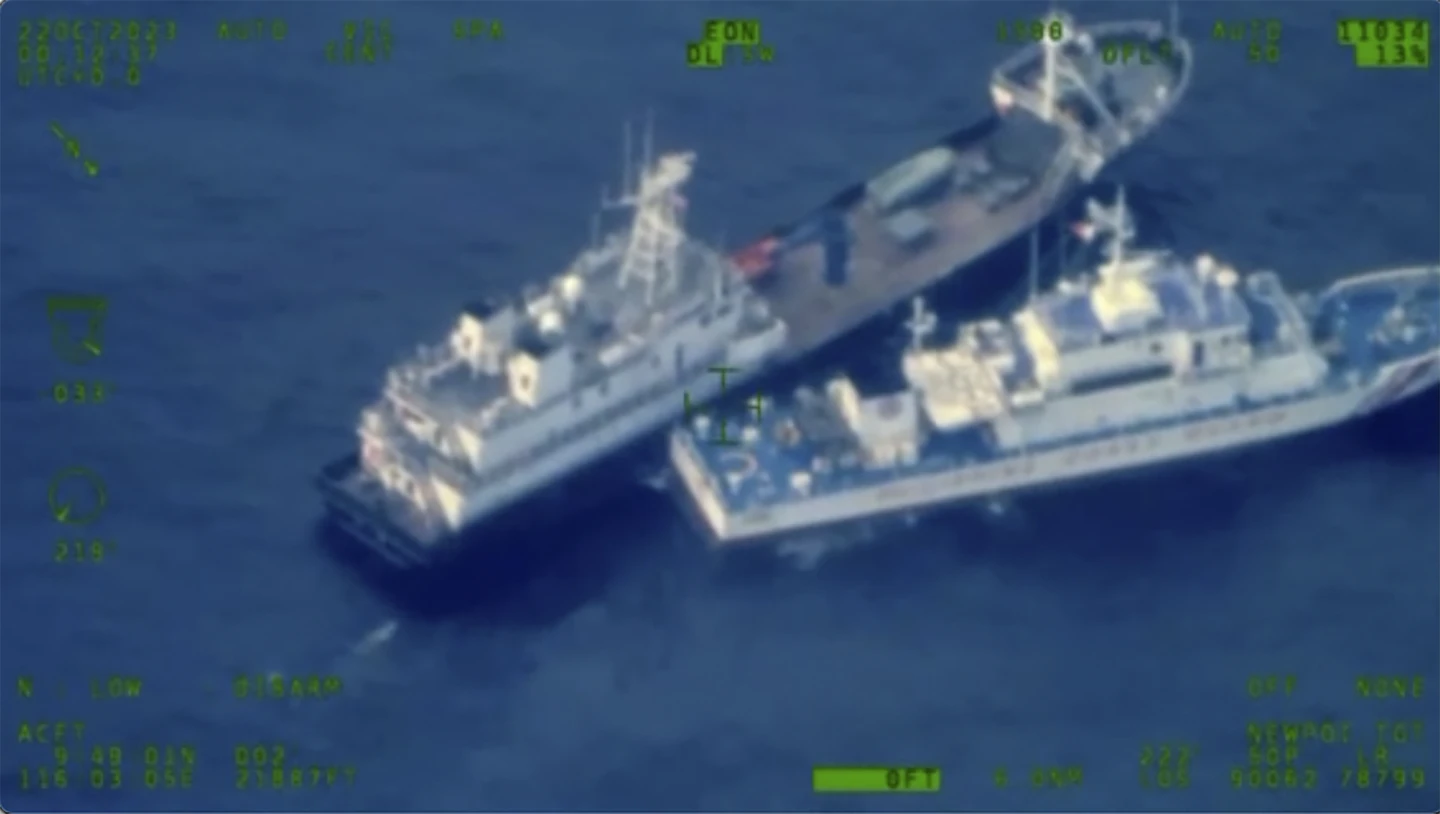
Philippine authorities said a Chinese Coast Guard ship carried out “dangerous blocking maneuvers” that caused it to collide with a Philippine vessel carrying supplies to troops stationed in Ayungin Shoal, also known as Second Thomas Shoal, in the Spratly Islands chain. China’s move was “provocative, irresponsible and illegal” and “imperiled the safety of the crew” of the Philippine boats, the National Task Force for the West Philippine Sea said.
In a second incident Sunday, the Philippine task force said a Chinese maritime militia vessel collided with a Philippine Coast Guard ship, which was on the same mission to resupply the BRP Sierra Madre. Manila grounded the navy transport ship on Second Thomas Shoal in 1999 and has manned it with Filipino marines to enforce its claims to the area.
On Monday, Manila summoned China’s ambassador to the Philippines and filed a diplomatic protest against Beijing. “China as a major power bears a heavier responsibility of contributing to peace and stability in the region,” said a spokesperson for the Philippine Department of Foreign Affairs.
Siding with its ally, the United States formally expressed concern in a statement that China’s foreign ministry said ignored the facts. U.S. national security adviser Jake Sullivan, in a call with his Philippine counterpart Eduardo Ano on Monday, reiterated U.S. support for Manila following the incident, calling the Chinese maritime actions “dangerous and unlawful,” according to the White House.
Philippines Defense Secretary Gilberto Teodoro said during a news conference that “Chinese Coast Guard and maritime militia vessels, in blatant violation of international law, harassed and intentionally hit” Manila’s supply boat and coastguard ship. “This is a serious escalation of the illegal activities conducted by the Chinese government in the West Philippine Sea in complete disregard of any norm or convention of international law,” Teodoro said after attending a security meeting called by President Ferdinand Marcos Jr.
Teodoro also acknowledged “the support of our allies and like-minded nations such as the United States, Japan, Australia, Germany, Canada, the Netherlands, the United Kingdom and European Union in condemning China’s aggression and expansionist actions.”
Since Marcos came to power in 2022, the Philippines has sought closer ties with its traditional ally, the United States, while lodging increasing complaints about China’s aggressive behaviour. In contrast to the more pro-China stance taken by the previous administration, Marcos’ government has filed 122 diplomatic protests against China’s aggressive actions in the South China Sea. Those incidents included attempts to block Philippines resupply missions and use of water cannon on Aug.
The regular resupply missions are for a handful of Philippine troops living aboard an aging warship that was deliberately run aground on the Second Thomas Shoal in 1999 to assert Manila’s sovereignty claims.
The uninhabited shoal, known in Manila as Ayungin and Renai Reef in China, is within the Philippines’ 200-nautical-mile exclusive economic zone, and is strategically located on one of the world’s busiest trade routes.
The Permanent Court of Arbitration in The Hague concluded in 2016 that Beijing’s expansive claim to the South China Sea was groundless. China maintains it does not accept any claim or action based on the ruling./.
Views: 0

Views: 0

Vietnam serves as a good model for many developing countries, UN Secretary-General António Guterres said at a meeting with President Vo Van Thuong on the sidelines of the third Belt and Road Forum for International Cooperation (BRF 3) in Beijing, China, on October 18.
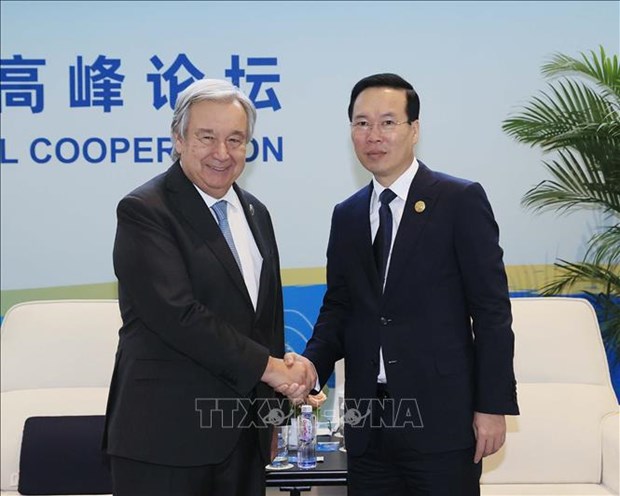
Vietnam serves as a good model for many developing countries, UN Secretary-General António Guterres said at a meeting with President Vo Van Thuong on the sidelines of the third Belt and Road Forum for International Cooperation in Beijing, China, on October 18.
Thuong highly evaluated the role and contributions of the Secretary-General and the UN in promoting international peace, stability, and security and affirmed Vietnam’s readiness to support and make contributions to such efforts.
The State leader said Vietnam consistently considers the UN a leading organisation for global peace, cooperation, and development, as well as a trustworthy, loyal, and long-standing partner of Vietnam in all of its development stages.
Vietnam is actively working with UN organisations to implement a variety of cooperative activities such as the implementation of the UN Sustainable Development Goals, climate change response, digital transformation, green transition, social equity, and UN peacekeeping missions, Thuong said.
He urged the UN to continue supporting Vietnam in its implementation of international commitments, including Our Common Agenda (OCA) – the Secretary-General’s vision for the future of global cooperation – and of national development goals.
For his part, Guterres expressed his gratitude for Vietnam’s excellent cooperation with and support for the UN in a range of priority activities, particularly peacekeeping, international security, climate change, sustainable development, and water and food security.
Describing Vietnam as an important partner of the UN, he expressed his hope that the Southeast Asian nation will make greater contributions to global governance.
Fully agreeing with Vietnam’s perspectives on upholding multilateralism and international law, and improving the effectiveness of international institutions, the Secretary-General wished the country will successfully realise its goals of peace and prosperity, and continue its contributions and responsibilities to the world and the UN. He also affirmed his strong commitment to assisting Vietnam in its sustainable development efforts and climate change response.
Regarding the regional situation, the two leaders concurred on the need to uphold the respect for law, promote the role of dialogue and cooperation mechanisms between regional organisations and the UN, and support the centrality of the Association of Southeast Asian Nations (ASEAN)./.
Views: 0

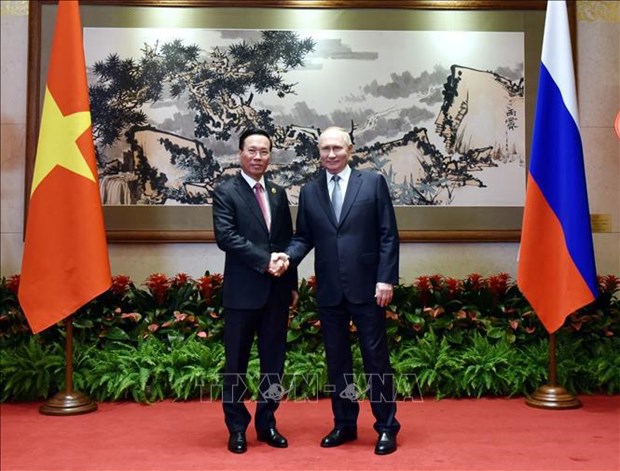
President Vo Van Thuong had a meeting with Russian President Vladimir Putin in Beijing, China, on October 17 on the sidelines of the third Belt and Road Forum for International Cooperation (BRF).
President Vo Van Thuong had a meeting with Russian President Vladimir Putin in Beijing, China, on October 17 on the sidelines of the third Belt and Road Forum for International Cooperation (BRF).
The two leaders expressed their delight at the positive development of the Vietnam-Russia traditional friendship and the comprehensive strategic partnership based on political trust and extensive cooperation. They took note of significant progress achieved recently, such as maintaining all-level exchanges and advancing joint work in various fields including economy-trade, defence-security, science-technology, education, training, energy, and people-to-people exchanges.
They highlighted the exchange of high-level delegations between the two countries and parties recently, such as telephone talks between Party General Secretary Nguyen Phu Trong and President Putin, and the visits of leader of the ruling United Russia party Dmitry Medvedev and Chairman of the State Duma of the Federal Assembly of the Russian Federation Vyacheslav Victorovich Volodin.
President Thuong affirmed that Vietnam always remembers Russia’s support in the past and at present. He went on highlighting that in implementing the foreign policy of independence, self-reliance, multilateralisation, and diversification, Vietnam considers Russia one of its most important partners and wants to foster the two countries’ comprehensive strategic partnership across all fields for their prosperity and the sake of their peoples.
The State leader expressed his appreciation for Russian agencies and localities’s assistance in building the statue of President Ho Chi Minh in Saint Petersburg and hoped that Russia will continue to provide scholarships to Vietnamese students and enhance the bilateral cultural and people-to-people exchanges. He also proposed more favourable conditions created for the Vietnamese expatriate community in Russia.
Putin stated that Vietnam is one of the most important partners of Russia in the Asia-Pacific region and invited Thuong to visit Russia at an appropriate time.
The two leaders agreed that plenty of room is available for further strengthening the bilateral relationship in the time to come. Putin concurred with Thuong’s opinions and assessments, especially regarding the directions and measures to promote the ties, including the enhancement of mutual understanding and political trust through all-level visits and exchanges, as well as the expansion of collaboration in economy, trade, security, defence, science, technology, culture, education, energy, and other areas according to bilateral agreements.
They also discussed the utilisation of bilateral and multilateral mechanisms and frameworks for economic, trade and investment cooperation, including the Vietnam-Russia intergovernmental commission on economic-trade and sci-tech cooperation and the Eurasian Economic Union-Vietnam Free Trade Agreement.
Besides, the two leaders exchanged views on international and regional issues of common concern.
Thuong took the occasion to extend an invitation to President Putin to visit Vietnam in the near future, which he accepted with pleasure./.VNA
Views: 0

Views: 0

Vietnam has kept a close watch on, and been concerned over the escalating conflict between Hamas forces and Israel that has resulted in many casualties for civilians, Spokeswoman of the Ministry of Foreign Affairs Pham Thu Hang said on October 8.
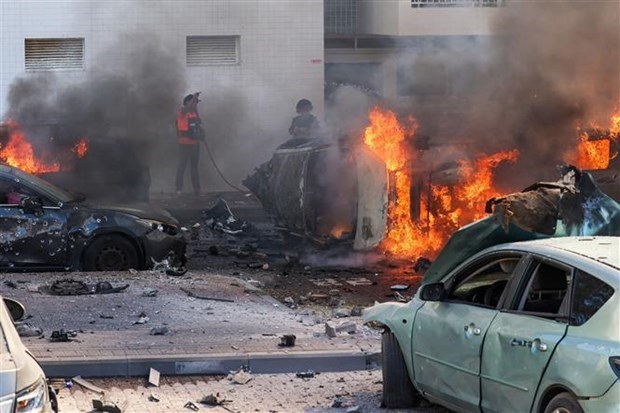
Vietnam has kept a close watch on, and been concerned over the escalating conflict between Hamas forces and Israel that has resulted in many casualties for civilians, Spokeswoman of the Ministry of Foreign Affairs Pham Thu Hang said on October 8.
“We call on relevant parties to exercise restraint, refrain from taking actions that further complicate the situation, soon resume negotiations to resolve disagreements through peaceful means and based on international law and relevant resolutions of the United Nations Security Council, and ensure safety and legitimate interests of civilians”, Hang said while answering a reporter’s question about Vietnam‘s reaction to the conflict.
The Ministry of Foreign Affairs also advises Vietnamese citizens to temporarily avoid areas of conflict, keep a close watch on the situation, take the initiative in implementing necessary security and safety measures, strictly follow regulations of the local authorities, avoid gatherings and limit travel.
The Vietnamese Embassy in Israel has carried out an array of measures to protect the citizens, including posting announcements on the embassy’s official social network page, giving security and safety instructions to, and providing contact information for the citizens.
Besides, the embassy’s officials have been deployed to maintain regular contact with the Vietnamese community, coordinate with the host country’s relevant agencies and diplomatic corps to jointly carry out citizen protection measures, and build suitable citizen protection plans to ensure safety for the citizens.
The security and safety situation in Israel is developing complicatedly after Hamas militants have fired nearly 3,000 rockets on Israel’s territory, and made surprise attacks in border areas since early October 7./.
Views: 0

Once again conflict has almost erupted in the South China Sea.
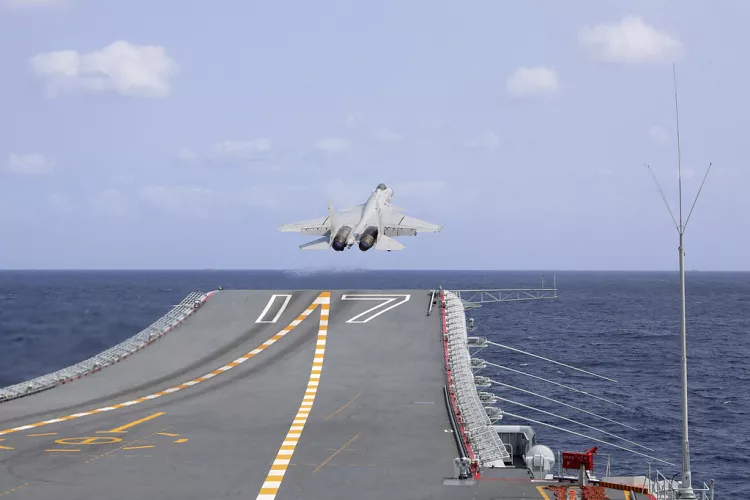
Last week, members of the Philippines Coast Guard cut through a 1000-foot-long barrier installed by Chinese vessels that was blocking access to the Scarborough Shoal – a group of Filipino islands illegally occupied by China.
A tense stand-off ensued with Chinese coast guard vessels filmed harassing Filipino fishermen attempting to access the shoal.
But incidents like this in the South China Sea are nothing new. In fact, this year has seen a significant increase in the level of harassment aimed at The Philippines and other nations in dispute with China over its absurd “nine-dash-line” claim to the entire sea.
This has been happening at the same time China deliberately stoked territorial disputes with India, disappeared a number of senior diplomatic and military figures, and skipped the G20 summit.
But the world can’t afford to make the same mistake it did with Ukraine – where it chose to ignore obvious warning signs that Russia was gearing up for an invasion.
And it is very possible China is preparing for war.
Beijing’s military build-up has been so rapid it’s left many fearful they will move ahead of the US as the world’s strongest military power. China’s navy is set to grow 40% by 2040 and they currently can acquire weaponry five times faster than the US.
Last year, President Xi Jinping proclaimed that China should become capable of “fighting and winning wars” by 2049. But many of China’s neighbours fear that date may come much sooner, especially as China grapples with unprecedented economic troubles.
Nowhere is this concern more real than in the South China Sea. For years now, China has been harassing vessels and building military bases and airstrips on disputed island chains where they can project their military strength.
ASEAN bloc nations remain particularly vulnerable to this encroachment and aggression. Yet even this has not been enough to unite them, and many ASEAN countries face their own internal territorial disputes which threaten key partnerships.
Key allies like the EU must work harder than ever to woo the Global South and strengthen ties with ASEAN nations.
See, many of the ASEAN nations have very close economic ties with China, which has enabled China to coerce and bully these states to align with Chinese interests in the region.
But with China’s economy on the brink of collapse, and the G77 bloc of nations calling for a “new economic world order”, the West must answer the call and offer stable economic partnerships to developing nations.
This means doing more to increase investment, open labour markets, and follow through on long-promised funds to help developing countries transition to sustainable systems.
But they can’t stop there. As US President Joe Biden strengthens ties with countries like Japan, South Korea, and Vietnam, and Australia looks to elevate relations with countries like the Philippines, the opportunity for a new security paradigm that includes the EU shouldn’t be off the table.
An Asian NATO might not be possible yet, but increased military cooperation — through drills, weapons procurement, and intelligence sharing — would help tip the scale away from China.
Views: 0

Cuộc diễn tập quân sự chung đầu tiên trong năm 2023 của Hiệp hội các quốc gia Đông Nam Á (ASEAN) đã diễn ra ở Biển Bắc Natuna, vùng biển nằm ở cực Nam của Biển Hoa Nam (Biển Đông), ngoài khơi Indonesia. Cuộc diễn tập này không bao gồm bất kỳ hoạt động huấn luyện chiến đấu nào và chi tập trung vào an ninh hàng hải, ứng phó thảm họa và các hoạt động cứu hộ.
Tham gia cuộc diễn tập có tất cả 10 quốc gia thành viên ASEAN gồm Brunei, Campuchia, Indonesia, Lào, Malaysia, Myanmar, Philippines, Singapore, Thái Lan và Việt Nam. Ngoài ra, Timor-Leste – quốc gia vừa nộp đơn xin gia nhập khối – cũng tham gia cuộc diễn tập này. Đây là cuộc diễn tập quân sự chung đầu tiên do chính ASEAN triển khai mà không có đối tác bên ngoài tham gia. Mục đích của cuộc diễn tập này là nhằm tăng cường “vai trò trung tâm của ASEAN” và thể hiện sự thống nhất, đoàn kết của khối trước những căng thẳng và thách thức đang gia tăng trong khu vực.
Cuộc diễn tập chung của ASEAN ở Biển Đông là cách để ASEAN duy trì Tầm nhìn ASEAN về Ấn Độ Dương-Thái Bình Dương (AIOP). AIOP là tài liệu phác thảo tầm nhìn và nguyên tắc của ASEAN nhằm thúc đẩy hòa bình, ổn định và thịnh vượng ở khu vực Ấn Độ Dương-Thái Bình Dương, trong đó bao gồm cả khu vực châu Á-Thái Bình Dương lẫn Ấn Độ Dương. AIOP xác định 4 lĩnh vực hợp tắc chính: hợp tác hàng hải, kết nối, phát triển bền vững và hợp tác kinh tế.
Cuộc diễn tập chung ASEAN nằm trong khuôn khổ lĩnh vực đầu tiên là hợp tác hàng hải, theo đó nhằm tăng cường an ninh, an toàn và tự do hàng hải và hàng không, cũng như giải quyết các thách thức chung như cướp biển, khủng bố, đánh bắt thủy sản bất hợp pháp, ô nhiễm biển, và biến đổi khí hậu. Cuộc diễn tập này đã tập trung vào các hoạt động an ninh hàng hải, ứng phó thảm họa và cứu hộ, vốn rất cần thiết để đảm bảo an toàn và phúc lợi cho người dân và môi trường trong khu vực. Điều này thể hiện sự cởi mở, bao trùm và sẵn sàng hợp tác với các đối tác bên ngoài của ASEAN vì lợi ích và thách thức chung.
Cuộc diễn tập chung ASEAN cũng nhất quán với lĩnh vực hợp tác thứ hai là kết nối, theo đó tăng cường kết nối về vật chất, thể chế và giao lưu nhân dân giữa các quốc gia thành viên ASEAN và với các khu vực khác. Cuộc diễn tập sẽ tăng cường năng lực tương tác và điều phối giữa các lực lượng vũ trang ASEAN và thúc đẩy sự tin cậy lẫn nhau giữa các lực lượng này. Cuộc diễn tập này cũng sẽ tăng cường các cơ chế và nền tảng hợp tác an ninh hiện hành do ASEAN lãnh đạo phục vụ hợp tác an ninh, như Hội nghị Bộ trưởng Quốc phòng các nước ASEAN (ADMM) mở rộng và Diễn đàn Biển ASEAN Mở rộng (EAMF).
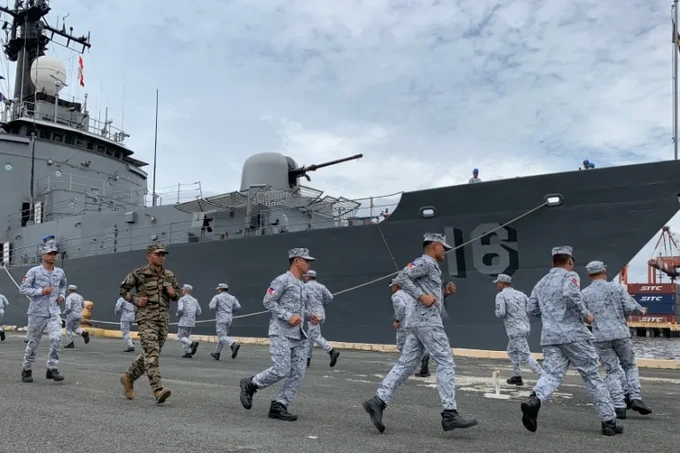
Cuộc diễn tập quân sự chung ASEAN cũng hỗ trợ lĩnh vực thứ ba – phát triển bền vững – nhằm thúc đẩy phát triển xã hội và bảo vệ môi trường. Cuộc diễn tập sẽ nâng cao năng lực và sự sẵn sàng của các lực lượng vũ trang ASEAN trong việc ứng phó với thiên tại và khủng hoảng nhân đạo trong khu vực, vốn ngày càng diễn ra thường xuyên và nghiêm trọng hơn do biến đổi khí hậu.
Cuộc diễn tập chung ASEAN cũng liên quan hợp tác kinh tế, lĩnh vực hợp tác thứ tư và cuối cùng, nhằm thúc đẩy thương mại, đầu tư, đổi mới và kinh tế số giữa các quốc gia thành viên ASEAN. Cuộc diễn tập này sẽ góp phần duy trì hòa bình và ổn định ở Biển Đông, tuyển đường biển quan trọng đối với thương mại toàn cầu. Cuộc diễn tập cũng sẽ tạo cơ hội hợp tác kinh tế giữa các bên tham gia trong các lĩnh vực như công nghiệp quốc phòng, cơ sở hạ tầng hàng hải, hậu cần, du lịch và giáo dục.
Đảng chú ý, cuộc diễn tập quân sự chung của ASEAN ở Biển Đông là thông điệp gửi đến Trung Quốc các nước Đông Nam Á đoàn kết, quyết tâm bảo vệ chủ quyền và lợi ích của mình ở vùng biển tranh chấp. Căng thẳng và thách thức gia tăng ở Biển Đông, nơi Trung Quốc khẳng định yêu sách và tiến hành các hành động đơn phương vi phạm chủ quyền và quyền của các quốc gia yêu sách khác như Philippines, Malaysia và Brunei – bao gồm việc cải tạo và quân sự hóa các đảo nhân tạo, áp đặt lệnh cấm đánh bắt cá, các hoạt động thăm dò dầu khi và ban hành luật Hải cảnh sát mới cho phép lực lượng vũ trang Trung Quốc sử dụng vũ lực.
ASEAN kêu gọi giải quyết hòa bình các tranh chấp thông qua luật pháp quốc tế, đặc biệt là Công ước Liên hợp quốc về Luật Biển (UNCLOS) 1982 và sớm hoàn tất Bộ Quy tắc ứng xử ở Biển Đông (COC) hiệu quả và thực chất.
Ngoài ra, tội phạm xuyên quốc gia và các mối đe dọa phi truyền thống đã ảnh hưởng đến an ninh và phúc lợi của người dân trong khu vực, như cướp biển, khủng bố, buôn người, di cư bất hợp pháp, đánh bắt cá bất hợp pháp, suy thoái môi trường, biến đổi khí hậu, thiên tai và đại dịch. ASEAN đã và đang tăng cường hợp tác và phối hợp trong các vấn đề này thông qua nhiều cơ chế và sáng kiến, như Trung tâm chống tội phạm xuyên quốc gia ASEAN, Sáng kiến an ninh eo biển Malacca, Hiệp định khu vực về hợp tác chống cướp biển có vũ trang, Diễn đàn hàng hải ASEAN. ASEAN cũng đã tìm cách hợp tác với các đối tác bên ngoài và các bên liên quan để giải quyết những thách thức chung này.
Cuộc diễn tập này không nhằm mục đích khiêu khích hay đối kháng với Trung Quốc, mà là nhằm tăng cường lòng tin và sự tin cậy lẫn nhau giữa các thành viên ASEAN với nhau và với Trung Quốc. Đây là một phần của sáng kiến rộng hơn mang tên Aman Youyi (Hòa bình và Hữu nghị), nhằm thúc đẩy hợp tác và đối thoại giữa Trung Quốc và ASEAN về các vấn đề an ninh phi truyền thống.
Tuy nhiên, cuộc tập trận được công bố 3 tuần sau khi Bắc Kinh công bố bản đồ mới bao gồm Đài Loan và gần như toàn bộ Biển Đông. Các nước Đông Nam Á và Đài Loan đã bác bỏ bản đồ này. ASEAN không muốn bị coi là đứng về phía Trung Quốc hoặc Mỹ, tham gia vào cuộc cạnh tranh chiến lược ở khu vực Ấn Độ Dương-Thái Bình Dương. Vì vậy, cuộc diễn tập chung của ASEAN là thông điệp cho thấy ASEAN coi trọng quyền tự chủ và độc lập nhưng cũng tìm kiếm sự tham gia mang tính xây dựng. ASEAN mong muốn duy trì hòa bình, ổn định ở Biển Đông thông qua đổi thoại và tuân thủ luật pháp quốc tế.
Tóm lại, cuộc diễn tập chung ASEAN là một bước quan trọng hướng tới hiện thực hóa tầm nhìn và các nguyên tắc của AIOP vì một khu vực Ấn Dương-Thái Bình Dương hòa bình, ổn định và thịnh vượng. Cuộc diễn vai trò trung tâm, thống nhất, đoàn kết, tự chủ, độc lập, bổ sung và hợp tác của ASEAN trong việc định hình trật tự an ninh khu vực./.
Views: 0
Vietnamese Minister of Foreign Affairs Bui Thanh Son on September 20 signed the United Nations agreement on the conservation and sustainable use of marine biological diversity of areas beyond national jurisdiction (the High Seas Treaty), making Vietnam one of the first countries to sign the international-legally binding instrument under the 1982 United Nations Convention on the Law of the Sea (UNCLOS).
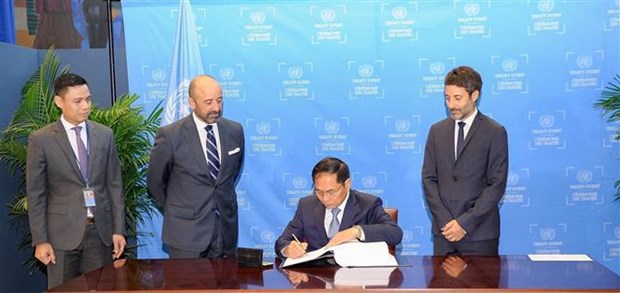
The signing of the agreement conveyed the message that Vietnam is a positive and responsible member of the international community as well as the country’s efforts to join hands with countries to deal with global issues, contributing to peace, prosperity and sustainable development.
More than 60 countries are scheduled to sign the agreement during the underway high-level week of the 78th UN General Assembly.
The ratification and signing of the deal is a historical milestone in the international community’s efforts in environmental protection during the implementation of the 2030 Agenda, especially the goal No.14 on preservation and sustainable use of oceans and maritime resources.
This is the third agreement negotiated and signed within the framework of the 1982 UNCLOS, reaffirming the role and importance of the convention as a legal framework for all activities at sea and in oceans.
The High Sea Treaty regulates the exploitation, sharing of benefits and conservation of marine genetic resources in international waters. This is a new potential resource, belonging to large sea areas accounting for more than 60% of the surface area of the oceans that do not belong to any country. Many areas at the bottom of the oceans have exceptionally rich ecosystems, with many rare and precious genes of high value for scientific research and great economic potential, especially in pharmaceutical and cosmetic production.
Currently, only developed countries and private companies possessing leading marine technologies and biotechnologies, with abundant financial resources, are capable of collecting marine genetic resources and developing applications that bring profits, while there is no international document regulating the obligation to share benefits and conserve these resources.
Talking to the Vietnam News Agency (VNA)’s resident correspondents in New York, Son said the signing of the treaty is an important milestone, as this is one of international treaties that draw the greatest attention in the past decade.
Explaining the significance of the treaty, Son underlined that it is the first document to comprehensively regulate the conservation and sustainable use of marine genetic resources in international waters.
At the same time, in recent years, the international community’s awareness and concern for ocean issues and maritime law is increasing, especially in the context of depletion of marine resources due to overexploitation and negative impacts of environmental pollution and climate change, he noted.
The signing of the agreement is the result of long-term efforts by the international community, a nearly two-decade process with official negotiations beginning in 2018 with the participation of almost all UN member countries, including landlocked nations or non-signatories of the UNCLOS. The minister said that the approval of the treaty by consensus last June, and the fact that a large number of participating countries signed it right on the opening day demonstrated the success of the negotiation process, describing it as a historic milestone in efforts of the international community to protect the marine environment.
The agreement has opened up opportunities for developing countries to access, participate in research and benefit from genetic resources in international waters, while reaffirming the role and importance of the 1982 UNCLOS as a legal framework for all activities on the seas and oceans.
As a coastal country with high awareness of the importance of oceans to the national construction and defence, Vietnam has joined the negotiations on the agreement right from the beginning.
For Vietnam, the agreement has many important meanings, stated the minister, underlining that the pact continues to strengthen the system of legal documents based on the 1982 UNCLOS in the management of seas and oceans towards the goal of sustainable development. It reaffirms the 1982 UNCLOS as the legal framework for all activities at sea. All maritime claims must not harm the common interests of the international community. The scope of international waters, where marine living resources belong to all humanity, must be determined through and in accordance with 1982 UNCLOS, he stressed.
The agreement opens up opportunities for Vietnam and other developing countries to participate in scientific research, transfer marine technologies, and receive economic benefits shared by other countries which have greater advantages in marine technology and strong financial science and technology to exploit genetic resources in the high seas.
The agreement also creates and encourages international cooperation mechanisms and regional marine cooperation with the goal of preserving and sharing benefits from marine genetic resources, which brings opportunities for Vietnam to promote cooperation, strengthen the intertwining of interests, and contribute to protecting the homeland early and from afar.
At the same time, Vietnam’s early joining of the agreement’s negotiations and contributions to the building of the agreement help the country realise its strategy on actively and responsibly participating in solving international and regional issues related to seas and oceans, as well as its policy of playing a core, leading, and mediating role at multilateral forums of strategic importance, which is stated in Directive 25 of the Party Central Committee’s Secretariat on enhancing the country’s multilateral diplomacy until 2030, Son said./.
Views: 0

Có nhiều nguyên nhân, động lực phức tạp thúc đẩy các nước Đông Nam Á tích cực hiện đại hóa quân sự, trong đó những biến đổi của môi trường an ninh quốc tế và khu vực, mâu thuẫn và khác biệt trong nội bộ khu vực, sự phát triển của công nghệ quân sự và tình trạng cung ứng trên thị trường vũ khí toàn cầu là những yếu tố quan trọng, cụ thể:
Thứ nhất, những biến đổi của tình hình an ninh chiến lược quốc tế và khu vực. Là các quốc gia vừa và nhỏ, các nước Đông Nam Á rất nhạy cảm với những biến đổi của môi trường an ninh. Đồng thời, chính sách an ninh của những nước này phần lớn mang tính phản ứng không phải chủ động, đều là sự ứng phó với chính sách an ninh khu vực của các nước lớn thay vì đi đầu và dẫn dắt hành động. Do đó, diễn biến cục diện an ninh quốc tế cùng những biến đổi của tình hình an ninh khu vực kéo theo là động lực chính thúc đẩy tiến trình hiện đại hóa quân đội của các nước Đông Nam Á.
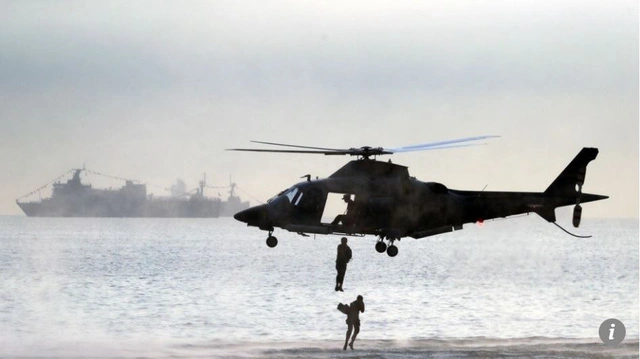
Đặc biệt, trong Thế kỷ XXI, tiến trình hiện đại hóa quân sự của các nước Đông Nam Á ngày càng gắn liền với mối lo ngại chiến lược của họ trước sự biến đổi của môi trường địa chính trị, thay vì những tính toán và cân nhắc nội bộ vốn chi phối quyết sách mua sắm quân sự của các nước trong suốt một thời gian dài. Sự biến đổi của môi trường địa chiến lược khu vực chủ yếu được thể hiện ở 3 khía cạnh sau: Một là, sự trỗi dậy của Trung Quốc và ảnh hưởng đối với khu vực. Hai là, sự suy giảm đáng kể sức mạnh của Mỹ cùng sự gia tăng nghi ngờ của các nước Đông Nam Á đối với nước này. Ba là, cùng với sự gia tăng cạnh tranh giữa các nước lớn, Mỹ đã thiết lập các cơ chế hợp tác đa phương hẹp tại khu vực Ấn Độ Dương – Thái Bình Dương như nhóm Bộ tứ (gồm Mỹ, Nhật Bản, Ấn Độ và Australia) và Thỏa thuận an ninh ba bên Mỹ – Anh – Australia (AUKUS), đồng thời giúp các đồng minh nâng cao năng lực quân sự, chẳng hạn như việc Mỹ và Anh sẽ hỗ trợ Australia đóng ít nhất 8 tàu ngầm chạy bằng năng lượng hạt nhân theo thỏa thuận AUKUS. Những hành động này làm cho tình hình an ninh tại khu vực Ấn Độ, Dương Thái Bình Dương trở nên phức tạp hơn, kích thích các nước nâng cấp vũ khí và trang thiết bị quân sự cho mình, từ đó đẩy nhanh tiến trình hiện đại hóa quân sự trong khu vực.
Thứ hai, sự mở rộng khái niệm kèm theo phán đoán mới về mối đe được an ninh. Trong thời kỳ Chiến tranh lạnh, mối lo ngai chính của hầu hết các quốc gia Đông Nam Á la chủ nghĩa ly khai và hoạt động phản loạn trong nội bộ. Sau khi Chiến tranh Lạnh kết thúc, các mối đe dọa an ninh mà các nước Đông Nam Á phải đối mặt càng trở nên phức tạp và đa dạng hơn. Ngoài các vấn đề an ninh truyền thống như tranh chấp biến giới lãnh thổ và xâm lược, Đông Nam Á luôn là khu vực chịu tác động nặng nề nhất của các mối đe dọa an ninh phi truyền thống như tình trạng đánh bắt cá bất hợp pháp, không báo cáo và không theo quy định (IUU), cướp biển, khủng bố, tội phạm xuyên quốc gia và thiên tai do đặc điểm địa lý, địa chiến lược và mâu thuẫn nội bộ hình thành bởi sự phức tạp về sắc tộc và vướng mắc trong lịch sử… Thách thức an ninh truyền thống và phi truyền thống đan xen và tác động lẫn nhau, do đó không một quốc gia nào có thể đơn độc đối phó. Việc các nước Đông Nam Á xây dựng quân đội chủ yếu nhằm đối phó với các hoạt động phản loạn trong nước không còn đáp ứng được nhu cầu bảo vệ an ninh quốc gia, nên họ buộc phải thúc đẩy hiện đại hóa quân đội toàn diện, tăng cường năng lực của quân đội trong việc thực hiện các hoạt động chiến tranh và hoạt động quân sự phí chiến tranh nhằm đối phó với các mối đe dọa an ninh ngày càng đa dạng.
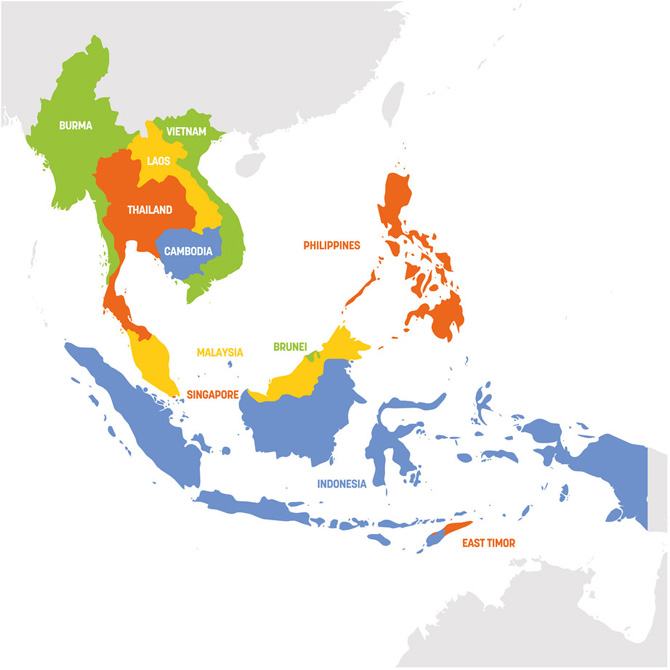
Thứ ba, mâu thuẫn và xung đột trong bộ khu vực. Xuất phát từ các tranh chấp lịch sử và xung đột lợi ích thực tế, xuất hiện mâu thuẫn tương tự. Mặc dù nội bộ các quốc gia Đông Nam Á cũng tại đa số các nước đều có thái độ nhân nhịn, giải quyết hòa bình các tranh chấp, nhưng những mâu thuẫn tiềm tàng vẫn là biến số ảnh hưởng đến an ninh khu vực Đông Nam Á. Đây cũng là một trong những nguyên nhân chủ yếu khiến các bên xác định mục tiêu chính sách tăng cường phát triển lực lượng quân sự.
Thứ tư, sự phát triển của kỹ thuật quấn sự kéo theo những biến đổi về hình hại chiến tranh. Mỗi bước đột phá lớn, quan trọng về kỹ thuật quân sự đều mkéo theo sự thay đổi về khái niệm và phương thức tác chiến đều ảnh hưởng sâu sắc đến việc xây dựng quân đội. Trong những năm gần đây, cùng với sự phát triển nhanh chóng của Cuộc cách mạng công nghiệp lần thứ tư, các công nghệ mang tính đột phá như trí tuệ nhân tạo, lượng tử, vũ khí siêu thanh, thiết bị không người lái được ứng dụng ngày càng nhiều trong lĩnh vực quân sự, làm thay đổi hình thái chiến tranh từ tin học hóa sang trí tuệ hóa. Những điều này tác động đến việc xây dựng và phát triển quân đội của các nước Đông Nam Á. Đồng thời, chuyển đổi mô hình quân sự không đơn thuần chỉ là mua sắm trang thiết bị vũ khí hiện đại, còn bao gồm cả việc đồng bộ hóa năng lực hậu cần, xây dựng điều lệnh liên hợp, chỉ huy, kiểm soát, trinh sát, tình báo và giám sát (C4ISR). Do hạn chế về sức mạnh quân sự và ngân sách quốc phòng, các nước Đông Nam Á không thể đầu tư phát triển công nghệ quân sự cao với quy mô lớn và toàn diện như các nước phát triển để nhanh chóng thực hiện chuyển đổi mô hình quân sự. Tuy nhiên, trong các lĩnh vực như mua sắm trang bị, tổ chức biên chế và huấn luyện quân đội, những nước này đã từng bước tích hợp được những thành quả và ý tưởng quân sự mới nhất. Trong những năm gần đây, những bước tiến trong xây dựng quân đội hướng tới tin học hóa, thậm chí ngay cả trong lĩnh vực phát triển trí tuệ hóa của các quốc gia Đông Nam Á, diễn ra ngày càng nhanh hơn. Không gian mạng đã trở thành lĩnh vực tác chiến thứ 5 bên cạnh lục quân, hải quân, không quân và vũ trụ, tác động sâu sắc đến quốc phòng của các nước, khu vực và an ninh thế giới.
Thứ năm, sự kích thích của thị trường vũ khí quốc tế. Trong một thời gian khá dài sau Chiến tranh Lạnh, các nhà sản xuất vũ khí ở Châu Âu, Mỹ và Nga phải đối mặt với vấn đề cắt giảm ngân sách quốc phòng và sự thu hẹp của nhu cầu vũ khí trong nước, do đó chủ yếu dựa vào thị trường nước ngoài để phát triển ngành công nghiệp quân sự của mình. Điều này không chỉ giúp các nước Đông Nam Á có được vũ khí và trang thiết bị hiện đại giá rẻ, mà còn giành được lợi thế trong đàm phản, đồng thời có thể nhận được các ưu đãi kèm theo như chuyên giao công nghệ và bồi thường. Đông Nam Á trở thành thị trường xuất khẩu vũ khí quan trọng của Mỹ, Tây Âu, Nga và Israel. Trong những năm gần đây, lượng trang thiết bị và vũ khí được các nước Đông Nam Á nhập khẩu từ Trung Quốc, Hàn Quốc, Nhật Bản, Ấn Độ, Thổ Nhĩ Kỳ và Đông Âu cũng ngày một tăng.
Cuối cùng, một số yếu tố khác cũng tác động đáng kể đến quá trình hiện đại hóa quân đội của các nước Đông Nam Á, đặc biệt là việc phát triển trang thiết bị. Một số quốc gia mua vũ khí và trang thiết bị không hoàn toàn vì lý do quân sự, mà để nâng cao uy danh quốc gia hoặc cạnh tranh với nước láng giềng. Ví dụ, không ít quốc gia Đông Nam Á coi vũ khí và trang thiết bị tiên tiến là biểu tượng của vị thế quốc gia, cho rằng việc sở hữu các trang thiết bị hiện đại (như tàu sân bay và tàu ngầm) có vai trò quan trọng đối với việc nâng cao uy tín của nhà cầm quyền và sự tự tin của người dân. Malaysia sau khi mua tiêm kích F-16 và tàu ngầm A12 của Singapore đã quyết mua thêm tiêm kích Su-30 của Nga và tàu ngầm Scorpene của Pháp. Sau khi các nước xung quanh như Malaysia và Indonesia sở hữu tàu ngầm, Thái Lan cũng quyết định mua tàu ngầm của Trung Quốc. Xét ở mức độ nào đó, tất cả các việc làm kể trên đều xuất phát từ toan tính cạnh tranh lẫn nhau./.
Views: 0

China’s “aggressive behaviour” in the South China Sea, including the use of water canon by its coast guard against a Philippine vessel, must be challenged and checked, the commander of the US Navy’s Seventh Fleet has said.
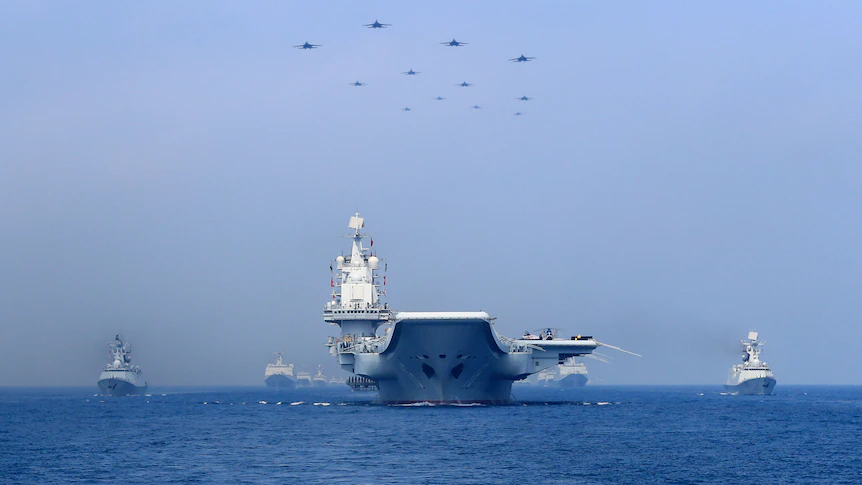
Vice Admiral Karl Thomas assured the Philippines of US backing in the face of “shared challenges” in the region, saying: “My forces are out here for a reason.”
The largest of the US Navy’s forward-deployed fleets, the Seventh Fleet, headquartered in Japan, operates as many as 70 ships, has around 150 aircraft and more than 27,000 sailors.
It operates over an area of 124 million square km from bases in Japan, South Korea and Singapore.
“You have to challenge people I would say operating in a grey zone,” Mr Thomas said.
When they’re taking a little bit more and more and pushing you, you’ve got to push back, you have to sail and operate.
On August 5, a Chinese coast guard ship used water cannon against a Philippine boat carrying supplies to troops aboard a warship Manila intentionally grounded on a shoal in the South China sea, a fault line in the rivalry between the US and Beijing in the region.
Thomas said he had had discussions with Vice Admiral Alberto Carlos, the head of the Philippine Western Command overseeing the South China Sea, “to understand what his challenges are to find opportunities to be able to help him”.
“We certainly shared challenges. So I wanted to better understand how he views the operations that he’s responsible for. And I want to make sure that he understood what I had available,” said Mr Thomas who was in Manila for a port call.
On Saturday, Mr Thomas said he joined a flight from Manila “to go out and check out the South China Sea”.
The Philippines won an international arbitration award against China in 2016, after a tribunal said Beijing’s sweeping claim to sovereignty over most of the South China Sea had no legal basis.
China has built militarised, man-made islands in the South China Sea and its claim of historic sovereignty overlaps with the exclusive economic zones of the Philippines, Vietnam, Malaysia, Brunei and Indonesia.
The Chinese Embassy in Manila did not immediately respond to a request for comment.
Views: 0

Views: 0

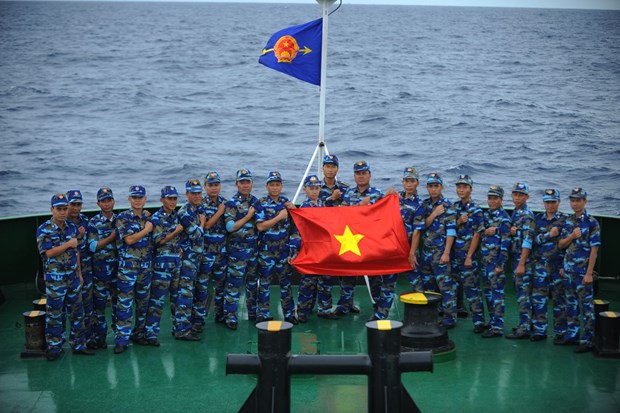
An international workshop discussing the values and practical application of laws on territory and border was jointly held by the Ministry of Foreign Affairs and the Wallonia-Brussels General Delegation of Belgium in Vietnam in Hanoi on September 7, gathering 150 domestic and foreign scholars.
In his opening remarks, Deputy Foreign Minister Nguyen Minh Vu highlighted the significance and importance of issues related to territorial sovereignty and national borders in international relations; and the relationship between them and their impact on security, peace, stability, and cooperation for development.
Briefing participants on the outcome of the settlement of border and territorial issues in Vietnam, Vu affirmed its consistent stance on the role and importance of international law as a crucial foundation for resolving territorial border issues, stressing that the country not only rigorously adheres to international law but also builds and strengthens its national legal system to ensure compatibility with international law.
He spoke highly of the cooperation between Belgium’s Wallonie-Bruxelles region and the Ministry of Foreign Affairs in general, and the ministry’s National Boundary Commission in particular.
Pierre Du Ville, Head of the Wallonia- Brussels General Delegation in Vietnam, expressed his delight at the cooperation results between the Wallonia-Brussels Region and Vietnam in general, and the National Boundary Commission in particular, especially in terms of human resources training, saying that these have contributed significantly to the proper settlement of territorial and border issues, thus promoting peace and stability in the region and the world.
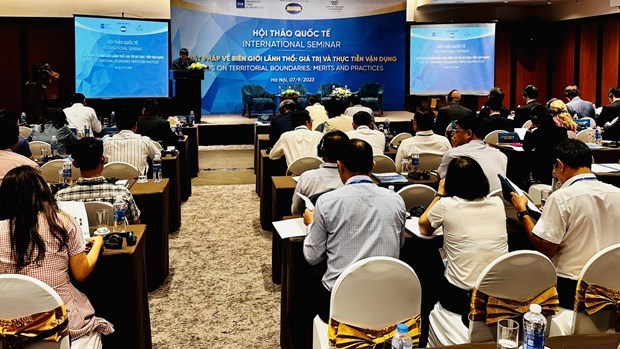
With the two sessions, the workshop reviewed Vietnam’s process of building, managing, and protecting the national boundary and territory. Domestic experts and scholars, and representatives from ministries and sectors provided their insights, emphasising the significance and outcomes of the implementation of the Law on National Border over the last two decades and the Law of the Sea of Vietnam after 10 years it came into effect, and affirming that Vietnam’s laws regarding territory and border are in line with international law.
It also featured presentations by international scholars and experts from Belgium, the Republic of Korea, Japan, Australia, and the Republic of Cyprus, which focused on topical topics, including territorial disputes at the International Court of Justice; the value of straight baselines around offshore archipelagos; and the illegal, unreported, and unregulated (IUU) fishing in the East Sea.
Delegates also engaged in discussions on issues related to the construction, protection, and management of borders and territories. They agreed on the importance of international law for this process and proposed measures to harmonise national laws with international law in border and territorial matters./.
VNA
Views: 0

The ASEAN member states and China have agreed with the initiative of Indonesia – the current rotating chair of ASEAN, to expedite negotiations on the Code of Conduct in the East Sea (COC).
Views: 0

The ASEAN member states and China have agreed with the initiative of Indonesia – the current rotating chair of ASEAN, to expedite negotiations on the Code of Conduct in the East Sea (COC).

The ASEAN member states and China have agreed with the initiative of Indonesia – the current rotating chair of ASEAN, to expedite negotiations on the Code of Conduct in the East Sea (COC).
Director of ASEAN Political-Security Cooperation at the Indonesian Ministry of Foreign Affairs Rolliansyah Soemirat made this announcement on September 1, highlighting that Indonesia’s initiative in the form of Guidelines can serve as practical guidelines that also contains substantive material to keep the COC effective and actionable.
According to him, these are the first-ever guidelines to accelerate COC talks, aiming to fulfill the aspirations of ASEAN and China to complete the COC within a maximum of 3 years.
In March, Indonesia hosted COC talks between ASEAN and China and is planning to hold the next round later this year, aiming to advance the process towards the completion of the COC.
In addition to COC negotiations, Indonesia will continue encouraging practical maritime cooperation between ASEAN and China in the East Sea. This effort is aimed at enhancing mutual trust, supporting peace, security and stability in the region./.
VNA
[:]
Views: 0

The ASEAN member states and China have agreed with the initiative of Indonesia – the current rotating chair of ASEAN, to expedite negotiations on the Code of Conduct in the East Sea (COC).

The ASEAN member states and China have agreed with the initiative of Indonesia – the current rotating chair of ASEAN, to expedite negotiations on the Code of Conduct in the East Sea (COC).
Director of ASEAN Political-Security Cooperation at the Indonesian Ministry of Foreign Affairs Rolliansyah Soemirat made this announcement on September 1, highlighting that Indonesia’s initiative in the form of Guidelines can serve as practical guidelines that also contains substantive material to keep the COC effective and actionable.
According to him, these are the first-ever guidelines to accelerate COC talks, aiming to fulfill the aspirations of ASEAN and China to complete the COC within a maximum of 3 years.
In March, Indonesia hosted COC talks between ASEAN and China and is planning to hold the next round later this year, aiming to advance the process towards the completion of the COC.
In addition to COC negotiations, Indonesia will continue encouraging practical maritime cooperation between ASEAN and China in the East Sea. This effort is aimed at enhancing mutual trust, supporting peace, security and stability in the region./. VNA
[:]
Views: 0

Views: 0

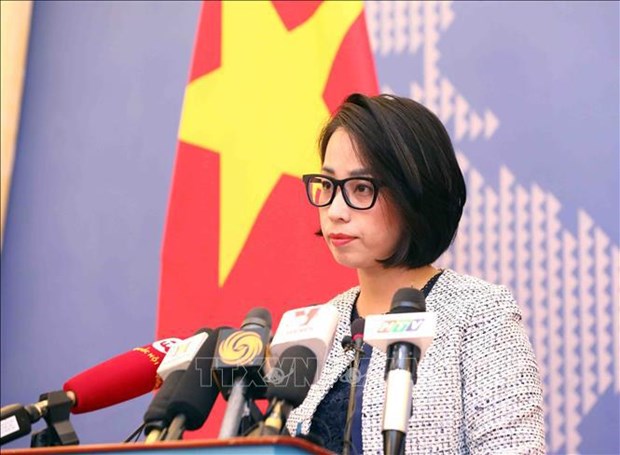
Vietnam strongly protests to China‘s inclusion of a part of Hoang Sa in its military exercise in the East Sea and demands that China respect Vietnam’s sovereignty over Hoang Sa (Paracel), affirmed Spokesperson of the Ministry of Foreign Affairs Pham Thu Hang at the ministry’s regular press conference on August 3.
She said China’s inclusion of a part of Hoang Sa, which belongs to Vietnam’s sovereignty, in its military exercise in the East Sea from July 29 to August 2 constitutes a serious violation of Vietnam’s sovereignty over this area and goes against the spirit of the Declaration on the Conduct of Parties in the East Sea (DOC). It complicates the situation, and does not contribute to the ongoing negotiations between China and ASEAN on a Code of Conduct in the waters (COC) as well as to the maintenance of a peaceful, stable, and cooperative environment in the East Sea, Hang stressed.
Vietnam strongly protests and demands that China respect Vietnam’s sovereignty over Hoang Sa and refrain from similar actions in the future, stated the diplomat./.
Views: 0